The Rise of Mushroom Farming in Manalapan Township
Manalapan Township is becoming a hub for controlled-environment agriculture. As demand for organic, nutrient-dense fungi rises, local growers are moving away from traditional field crops to indoor vertical production. This shift addresses the need for year-round consistency in a state where outdoor growing seasons are often volatile. By utilizing high-tech greenhouses and climate-controlled facilities, producers are maximizing yields while maintaining USDA organic certifications. Mushroom cultivation represents the next frontier for New Jersey agriculture, providing residents with gourmet-grade ingredients that do not suffer from the degradation associated with cross-country shipping.
Current Local Growers
Local agricultural enterprises are setting high standards for quality and sustainability. The table below outlines the primary grower operating in the Manalapan area, focusing on large-scale production and organic certification.
| Farm Name | Specialty | Certification |
|---|
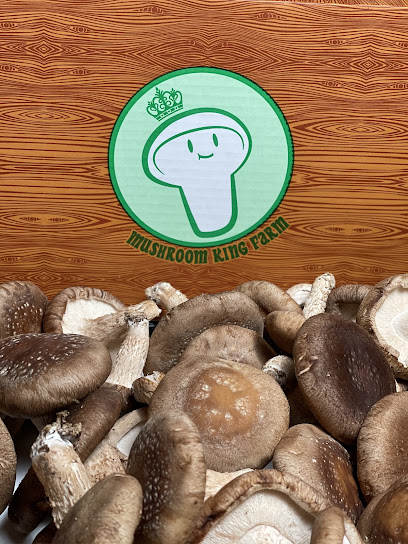
| Mushroom King Farm | Organic Shiitake Mushrooms | USDA Organic, GFSI, PCO |
Mushroom King Farm serves as a leading example of how modern, vertically integrated operations function. By combining traditional cultivation methods with solar-passive designs, they achieve energy efficiency that lowers the overall carbon footprint of the production cycle. Their ability to deliver a consistent, high-volume supply to national retailers demonstrates the scalability of New Jersey's mushroom industry.
Why Buy Locally Grown in NJ?
New Jersey's climate presents significant challenges for outdoor produce. Hot, humid summers and fluctuating autumn temperatures often impact the quality of sensitive crops. Mushroom cultivation bypasses these external variables. By keeping production indoors, growers in Manalapan control humidity, CO2 levels, and temperature precisely. This creates the optimal environment for fungi to flourish without the use of chemical pesticides or fungicides. When you buy locally grown mushrooms, you are buying a product that has not spent days in transit. Freshness directly translates to flavor and texture. A shiitake harvested at a local farm yesterday will retain the firm, meaty texture required for high-end culinary applications, whereas long-haul specimens often arrive soft or discolored.
Popular Varieties & Culinary Uses
The mushroom market in New Jersey is expanding beyond basic white button varieties. Consumers are now seeking specialized strains for both culinary depth and wellness.
- Shiitake: These are the workhorses of the gourmet world. Their earthy, savory profile and meaty texture make them an excellent substitute for protein in vegetarian dishes. They contain high levels of copper and Vitamin B5.
- Oyster Mushrooms: Known for their delicate texture and mild, slightly seafood-like flavor. These perform exceptionally well when pan-seared until crispy.
- Lion’s Mane: Valued for its unique, shaggy appearance and brain-health benefits. It has a succulent, lobster-like taste when sautéed with butter and garlic.
- Cordyceps: Typically sought for their medicinal properties. These are often dried and incorporated into teas or supplements for energy support.
To maximize your mushroom experience, avoid washing them under running water, as they act like sponges and will absorb moisture, ruining the sear. Instead, wipe them clean with a damp cloth or a soft brush. For the best flavor, sauté over medium-high heat with a high-smoke-point oil to allow the natural glutamates to caramelize. Whether you are adding them to a pasta dish or using them as a base for a hearty soup, buying local ensures the highest level of freshness and nutritional potency.