The Rise of Mushroom Farming in Auburn
Auburn is transforming its agricultural landscape by moving beyond traditional crops. Fungi cultivation, both in specialized outdoor orchards and climate-controlled indoor environments, has become a significant interest for local producers. The Finger Lakes region provides a unique set of variables for growers, ranging from glacial till soil compositions to the specific humidity levels required for high-end gourmet fungi. While traditional farming focuses on seasonal cycles, the shift toward mushroom production allows producers to capitalize on shorter harvest windows for high-value crops like truffles or year-round production for varieties like oyster and shiitake mushrooms. Urban farmers in Auburn are finding that small-scale operations can meet the local demand for premium, nutrient-dense fungi that do not survive long-haul shipping.
Current Local Growers
| Grower Name | Specialty | Farm Type |
|---|
| Rooted Truffles of NY | Burgundy Truffles, Truffle Hunting Experiences | Orchard/Farm |
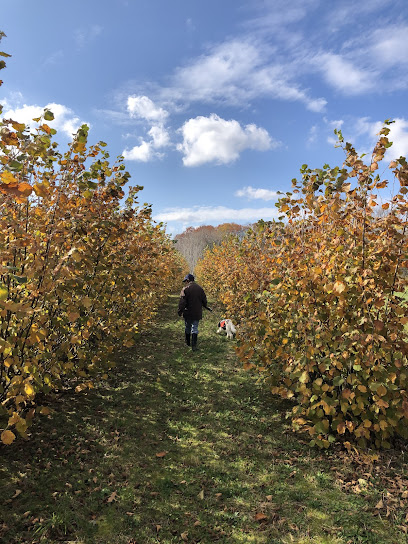
Rooted Truffles of NY represents the specialized potential of the region. By utilizing a 5-acre orchard established in 2011, they demonstrate how the specific terroir of New York can produce culinary-grade fungi. Their approach relies on the natural Four-Season cycle, utilizing the insulating properties of snow and spring moisture to develop their product. This model provides a benchmark for local agricultural innovation.
Why Buy Locally Grown in NY?
The primary advantage of purchasing mushrooms grown in Auburn is the reduction of transit time. Mushrooms are delicate, highly perishable organisms. Once harvested, their quality and nutritional profile begin to degrade rapidly. When you buy from a grower within the Finger Lakes region, you bypass the industrial supply chain that often leaves produce sitting in cold storage for days. New York's variable climate poses challenges for traditional outdoor crops, but for mushroom growers, it offers a distinct opportunity. Indoor cultivation allows for total control over temperature, humidity, and airflow, effectively mitigating the unpredictable nature of regional weather. This reliability ensures that culinary establishments and home cooks have access to consistent, peak-freshness products that are significantly more flavorful than mass-market imports.
Popular Varieties & Culinary Uses
The gourmet mushroom market in New York is diversifying. While truffles remain the gold standard for luxury, other varieties provide daily wellness and culinary benefits. Oyster mushrooms are favorites for their versatile texture and ability to mimic shellfish when seared. Shiitake mushrooms are prized for their deep, umami flavor, making them ideal for soups and stir-fries. Lion’s Mane is gaining traction among health-conscious consumers for its potential cognitive benefits and meaty, crab-like consistency. Cordyceps, often sought for their potential energy-boosting properties, are frequently used in medicinal teas or supplements. To get the most out of these varieties, it is best to store them in breathable paper bags rather than plastic to prevent moisture buildup. For cooking, heat is key; searing in a high-smoke-point oil allows the natural sugars in the mushrooms to caramelize, locking in the dense, savory profiles that define high-quality, locally grown fungi.