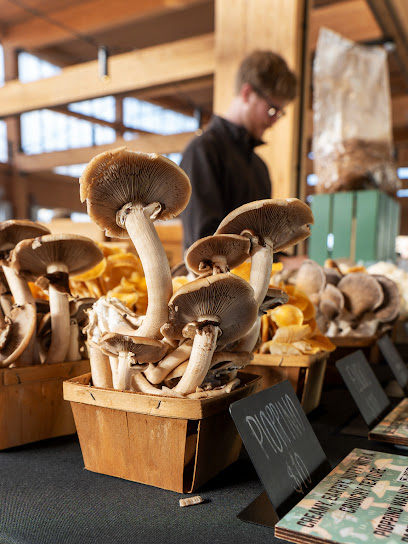
The Mushroom Market in New York
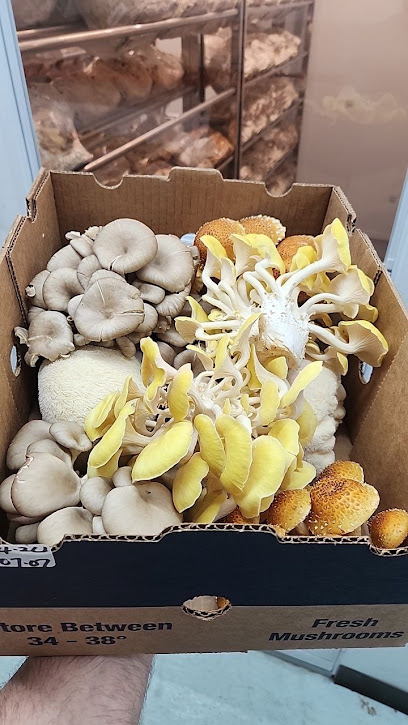
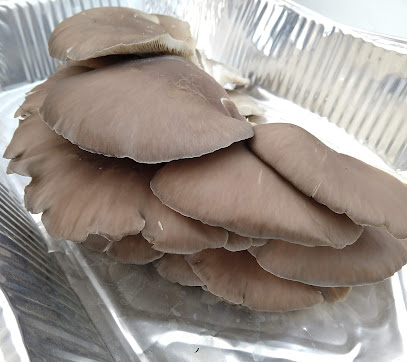
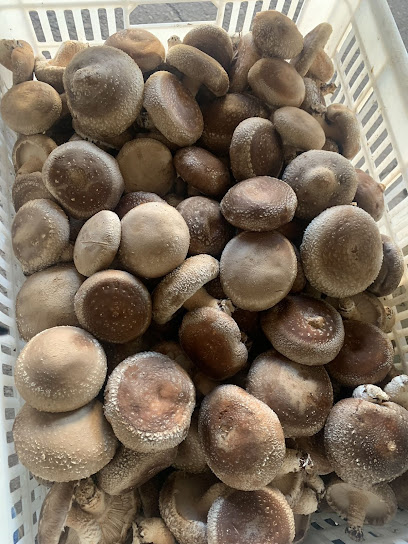
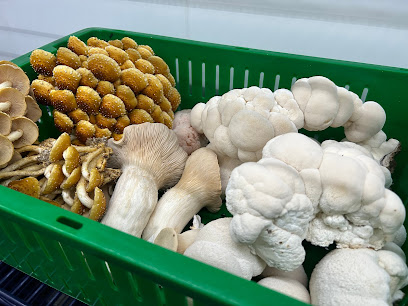
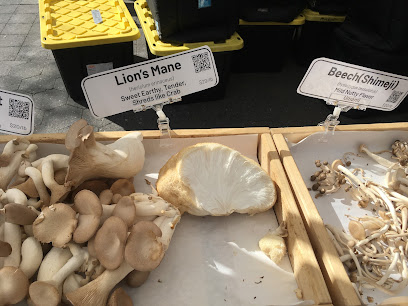
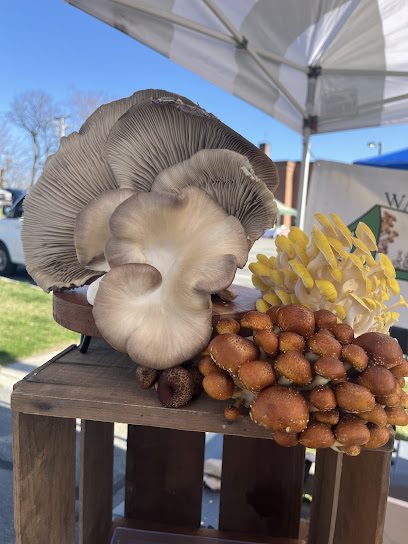
New York’s mushroom industry has transitioned from a niche hobbyist pursuit to a sophisticated agricultural sector. With 29 verified farms currently operating, the state demonstrates a robust supply chain that balances high-tech indoor production with traditional agricultural models. The market demand is driven by the state's dense population centers, which prioritize fresh, locally sourced, and exotic fungi such as Lion’s Mane, Oyster, and Shiitake varieties. Unlike broad-acre crops, mushroom farming in New York leverages vertical integration, allowing producers to maximize yield per square foot in expensive real estate markets.
Top Cities for Gourmet Fungi
The distribution of mushroom farms in New York is heavily correlated with population density and logistics hubs. The Bronx and New York City lead the state with two farms each, a trend driven by the proximity to high-end restaurant demand and the emergence of controlled environment agriculture (CEA). Carthage also hosts two farms, reflecting a strategic move toward regional hubs that can supply upstate distribution lines effectively. Moriches remains a critical growth point, leveraging its location to serve the Long Island market. Other key hubs include North Tonawanda, Peekskill, Albany, Auburn, Cohoes, and Long Beach, each housing individual specialized operations that fill specific market niches.
New York Climate & Mushroom Cultivation
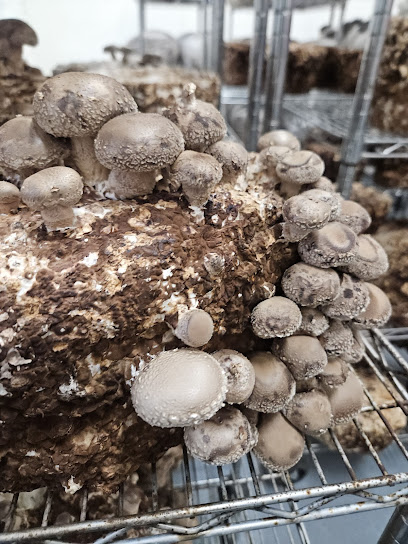
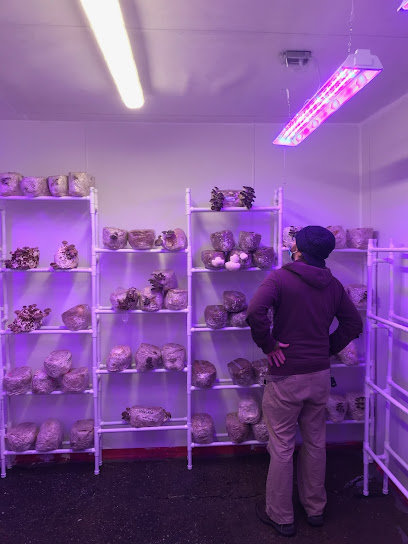
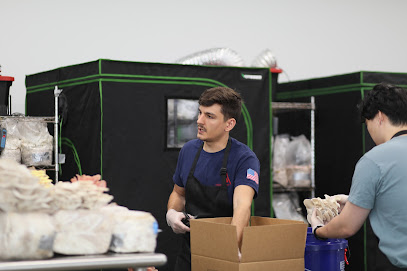
New York’s climate presents a dual reality for mycologists: challenging outdoor seasonal windows and ideal conditions for indoor climate-controlled cultivation. The state’s high average humidity levels during the spring and autumn months are conducive to wild foraging, yet the erratic temperature swings—ranging from freezing winters to humid, hot summers—make consistent year-round production impossible without advanced infrastructure. Consequently, top-tier farms like Mushroom Direct and Collar City Mushrooms rely on sophisticated fruiting chambers. These systems utilize automated HVAC, ultrasonic humidification, and HEPA filtration to simulate the damp, shaded microclimates of New York’s temperate forests. By decoupling production from the natural outdoor cycle, producers in urban centers like The Bronx can maintain optimal CO2 and humidity levels, ensuring the consistent quality required by the state’s premium culinary scene.
Sourcing Locally in New York
For restaurants, retailers, and consumers looking to procure fresh, nutrient-dense fungi, the following farms represent the current standard for quality and reliability in the state:
- Mushroom Direct: High-rating supplier focusing on direct-to-consumer consistency.
- Flat #12 Mushrooms: A leader in agricultural services and small-batch production.
- Collar City Mushrooms: Known for high-yield, premium-grade gourmet varieties.
- MyForest Foods Co.: Represents the shift toward large-scale food manufacturing and sustainable mycological products.
- Westchester Mushroom Co.: A cornerstone farm for the regional Westchester supply chain.
- Hana Mushroom: Specialized production with a reputation for consistent quality.
- 201 Lewis Farm Inc.: Diversified operation blending flower and mushroom cultivation.
- 518 Farms: A leading producer in the Albany region.
- Stewart-Watson Farm: Established farm with a strong focus on traditional cultivation methods.
- Windridge Farm: High-rating operation emphasizing soil health and sustainable substrates.
- Shinto Shrooms: Specialized gourmet producer.
- Dough Haven Farm LLC: Known for high-quality, small-batch gourmet fungi.
- RA's Farm: Reliable producer with a focus on fresh market delivery.
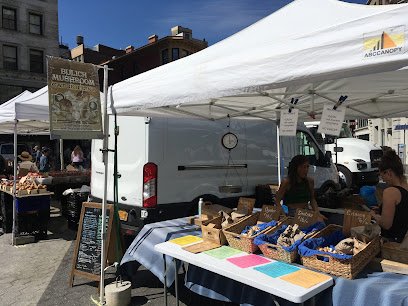
- Bulich Mushroom Farm (Union Square): A key link in the NYC farmers market supply chain.
- Mushroom Queens (Union Square): Another vital supplier for the metropolitan fresh produce market.