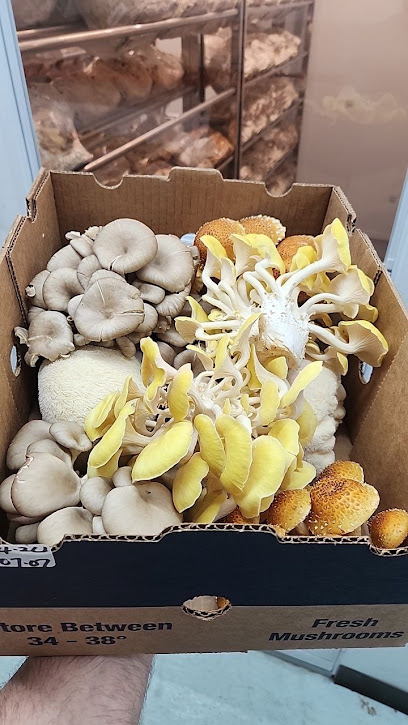
The Rise of Mushroom Farming in Jamaica
The agricultural landscape in Jamaica, Queens, is shifting toward high-yield, indoor cultivation. Unlike traditional row-crop farming, urban mushroom production utilizes vertical space and controlled environments, allowing growers to produce high-value gourmet and medicinal fungi year-round. This method bypasses the logistical challenges of long-distance food transport, ensuring that residents have access to nutrient-dense produce within their own neighborhood.
Current Local Growers
The following table lists active operations specializing in gourmet and functional mushroom cultivation in the Jamaica area:
| Farm Name | Specialties |
|---|
| Mushroom Direct | Lions Mane, Blue Oyster, King Trumpet, Chanterelles |
Mushroom Direct serves as a primary example of modern urban agriculture, utilizing a closed-loop system that transforms agricultural byproducts like brewers' grain and wood waste into high-quality food. By integrating worm composting and sustainable resource management, these operations minimize waste while maximizing yield.
Why Buy Locally Grown in NY?
Jamaica's climate poses significant challenges for traditional outdoor mushroom cultivation, as unpredictable humidity and temperature fluctuations can ruin delicate crops. Indoor urban farming solves this by providing a climate-controlled environment that maintains the precise moisture and airflow required for fungi to thrive. Purchasing locally grown mushrooms ensures peak freshness; because these products do not endure long transit times, they retain higher nutritional integrity and culinary quality compared to mass-market options found in standard grocery stores.
Popular Varieties & Culinary Uses
Understanding which mushrooms to choose can enhance both your diet and your health:
- Oyster Mushrooms: Known for their delicate texture and mild, savory flavor. They are excellent for stir-fries, soups, or as a meat substitute in tacos.
- Lion’s Mane: Highly valued in the wellness community for its potential cognitive benefits. It has a meaty texture similar to crab or lobster when sautéed.
- King Trumpet: These offer a thick, crunchy stem that holds up well to grilling, making them a favorite for plant-based steaks.
- Chanterelles: Prized for their fruity aroma and peppery finish, these are best utilized in risottos or sautéed simply with butter and herbs.