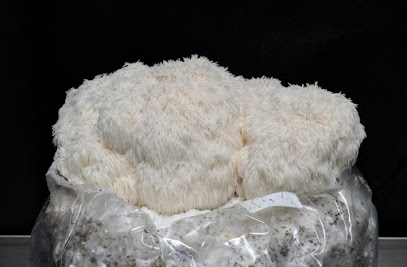
The Rise of Mushroom Farming in Coos Bay
Coos Bay is seeing a shift toward specialized, indoor agriculture. While traditional farming in the Pacific Northwest relies heavily on the seasonal outdoor cycle, mushroom cultivation offers a year-round alternative that thrives in our unique coastal climate. Indoor farming techniques allow growers to bypass the unpredictability of Oregon winters. By carefully managing humidity, light, and temperature within controlled environments, local producers provide a consistent supply of high-quality fungi to restaurants and households. This move toward hyper-local food production reduces transit times, ensuring that mushrooms are harvested at their nutritional peak rather than sitting in shipping crates for days.
Current Local Growers
The following table identifies established producers in the Coos County area focused on gourmet and medicinal fungi.
| Farm Name | Specialties | Key Products |
|---|
| Gourmet Gills | Culinary and medicinal mushrooms | Freeze-dried mushrooms, liquid cultures, ready-to-fruit blocks |
Gourmet Gills exemplifies the integration of primary agricultural production with mycological science. By focusing on both finished culinary products and the laboratory supplies needed for cultivation, they support the local food system and the growing number of regional hobbyists who want to try their hand at mycology.
Why Buy Locally Grown in OR?
Purchasing mushrooms from local growers offers distinct advantages over importing them from big-box suppliers. First, freshness is unmatched. Mushrooms are highly perishable; once harvested, they begin to lose texture and flavor immediately. Local consumers receive products that were likely picked within hours, maintaining the delicate structure of varieties like Lion's Mane or Chestnut mushrooms. Furthermore, local growers like Gourmet Gills prioritize the preservation of regional genetics. They actively clone and cultivate native Pacific Northwest species, which are naturally acclimated to our environmental conditions. This helps maintain biodiversity and ensures that the fungi available at our markets are well-suited to the regional terroir. Finally, indoor cultivation is the most efficient method for Coos Bay. Our high ambient humidity can be a challenge for some outdoor crops, but for fungi, it serves as an asset that growers leverage with precise indoor environmental controls.
Popular Varieties & Culinary Uses
The local market has expanded beyond the standard button mushroom. Growers are currently focusing on varieties that offer specific culinary and health profiles. Black Pearl King Oyster mushrooms are prized for their meaty texture and savory flavor, making them an excellent substitute for seafood or meat in stir-fries. Chestnut mushrooms offer a nutty, earthy depth that pairs well with autumn recipes. Lion's Mane has gained significant traction for its potential cognitive health benefits and its unique, crab-like flavor when sautéed in butter. For those interested in wellness, medicinal fungi are also being cultivated to meet the demand for high-quality extracts and supplements. Home cooks can utilize fresh mushrooms in a variety of ways: slicing them for high-heat searing, using them as a base for umami-rich broths, or rehydrating freeze-dried varieties for soups when fresh supply is low. Whether you are a professional chef sourcing for a menu or a home grower using ready-to-fruit blocks, the local ecosystem provides the tools and ingredients necessary to incorporate gourmet fungi into your daily diet.