The Mushroom Market in Oregon
Oregon's commercial mushroom industry represents a sophisticated intersection of wild foraging heritage and high-tech indoor cultivation. With 16 verified farms currently driving the market, the state balances small-scale specialty producers with established wholesalers. The market is currently defined by a premium on freshness and species diversity, ranging from standard Oyster and Shiitake varieties to more exotic Lion’s Mane and Reishi. Consumers and local restaurateurs prioritize farms that maintain a high rating, such as Vesper Mushrooms, TopHat Mushrooms, and Irie Mushroom Farm, all of which maintain near-perfect consumer satisfaction scores.
The supply chain in Oregon is uniquely fragmented, favoring direct-to-consumer sales at farmers' markets and direct partnerships with high-end culinary establishments. Unlike centralized agricultural sectors, the mushroom market relies on decentralized growing chambers that allow for year-round production despite the state's distinct seasonal shifts. This resilience is key to the industry's stability, ensuring that local supply remains consistent even when wild-harvested seasonal fungi are unavailable.
Top Cities for Gourmet Fungi
The distribution of mushroom farming in Oregon is heavily skewed toward urban centers, specifically the Willamette Valley. Portland serves as the primary epicenter, housing 9 of the 16 verified farms. This concentration is not accidental; it is driven by proximity to high-density restaurant districts, sophisticated logistics networks, and a consumer base that actively seeks out locally-sourced, organic produce.
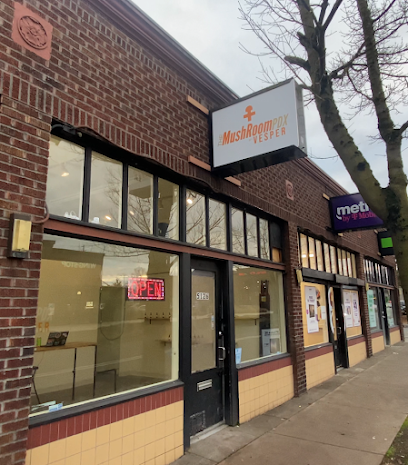
- Portland: The primary hub with 9 farms, including Vesper Mushrooms - The MushRoom PDX. The city provides the necessary infrastructure for rapid distribution and a dense network of farmers' markets.
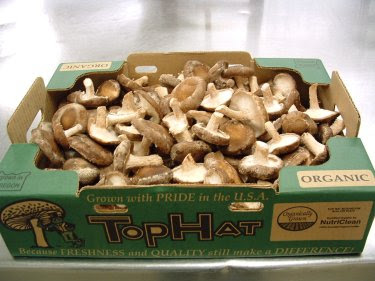
- Salem: Home to 2 farms, including TopHat Mushrooms. Salem serves as a critical secondary hub, bridging the gap between Northern Willamette production and regional distribution.
- Lebanon, Eugene, Coos Bay, Mulino, and Aumsville: Each of these cities hosts 1 verified farm. These locations represent strategic nodes that allow for localized production, reducing transportation emissions and ensuring the shortest possible farm-to-table window.
Oregon Climate & Mushroom Cultivation
Oregon’s climate is arguably the most favorable in the United States for mycology. The state’s high annual rainfall and moderate temperatures provide a natural advantage for wild foraging, but these same factors necessitate advanced climate control for indoor growers. Humidity is the primary variable; in the wet months, outdoor humidity levels can fluctuate between 70% and 90%. Indoor farms must utilize sophisticated HVAC systems and HEPA-filtered fruiting chambers to mimic the forest floor while preventing contamination from ambient mold spores.
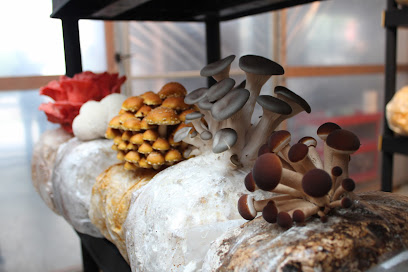
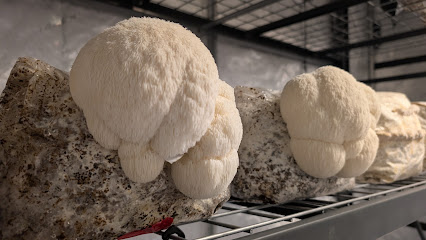
The Pacific Northwest’s forest types—primarily Douglas Fir and Western Hemlock—dictate the local interest in wood-decaying species. Indoor cultivators have leveraged this by utilizing locally sourced sawdust and hardwood substrates. By controlling CO2 levels, light spectrum exposure, and precise humidity, Oregon growers are producing yields that rival the quality of wild-harvested specimens. This controlled environment agriculture (CEA) is the engine behind the success of farms like The Mushroomery and Brown Bottle Farm, allowing them to bypass the unpredictability of Oregon’s seasonal weather patterns.
Sourcing Locally in OR
For those looking to procure high-quality gourmet mushrooms, the local supply chain is robust. To ensure the best quality, prioritize farms that provide transparent information regarding their substrate and harvest dates.
- Direct Farm Sales: Visit locations like Irie Mushroom Farm or Gourmet Gills during peak season for the freshest harvest.
- Produce Wholesalers: Entities like MycoLogical Natural Products are essential for restaurant procurement, providing steady volume for commercial kitchens.
- Community Organizations: Groups like moonlit mycology offer educational resources and local networking for those interested in the state's broader agricultural health.
- Specialty Nurseries: Facilities such as Mushroom World provide a unique entry point for those interested in the cultivation side of the industry rather than just the harvest.