Local Mushroom Market in Salem
Salem’s mushroom market relies on a mix of large-scale organic production and specialized local farming. With only two primary suppliers identified, the local supply chain remains tight. This limited availability forces residents to prioritize high-quality, sustainable sources over mass-market supermarket imports. Oregon’s unique climate—characterized by high humidity and moderate temperatures—makes it an ideal location for indoor mushroom cultivation. Growers leverage these environmental conditions by utilizing climate-controlled fruiting chambers, solar energy, and precise humidity regulation to produce consistent harvests year-round.
Comparison of Top Growers
| Farm Name | Rating | Specialization | Type |
|---|
| TopHat Mushrooms Salem | 5 | Organic Shiitake | Food processing company |
| Oregon Mushroom Growers (OMG) | 5 | General Fungi | Farm |
Deep Dive into Suppliers
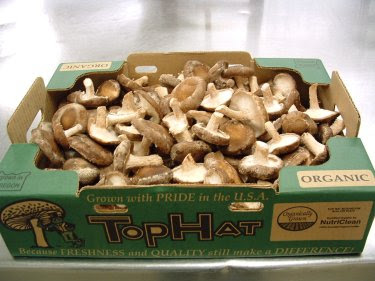
TopHat Mushrooms Salem operates as a massive, third-generation organic Shiitake producer. Spanning over 200 acres, they utilize computer-controlled facilities and sustainable power to supply retailers nationwide, making them a cornerstone of the regional organic industry.
Oregon Mushroom Growers (OMG) serves the local market as a dedicated farm. While their footprint is smaller, their presence provides residents with access to locally cultivated fungi that bypass the long-haul logistics of national distributors.
The Science of Fungal Nutrition
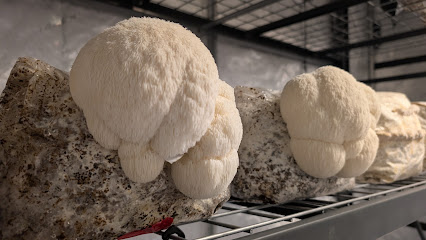
Culinary and medicinal mushrooms are dense in nutrients, offering benefits that go beyond basic nutrition. Shiitake mushrooms, a staple for TopHat, are rich in polysaccharides and lentinan, known for immune-boosting potential. Lion’s Mane has gained popularity for its potential neuroprotective properties, specifically the stimulation of nerve growth factor. Cordyceps, often harvested for energy-boosting properties, contains adenosine, which aids in oxygen utilization. By choosing local growers, residents ensure that these fragile, nutrient-dense compounds remain intact, as long transport times typically degrade the biological integrity of the fruiting body.
Buying Guide for OR Residents
- Check for Firmness: Fresh mushrooms should feel firm to the touch. Avoid specimens that are slimy or have a distinct, pungent odor, as these indicate spoilage.
- Moisture Levels: While humidity is necessary for growth, excessive water in packaging leads to rapid decay. Look for dry, breathable packaging like clamshells or paper bags.
- Support Local Infrastructure: Buying from Salem-based farms like TopHat or OMG reduces the carbon footprint associated with trucking and cold-chain storage.
- Understand Seasonality: Even with indoor climate control, local farms often prioritize specific yields during cooler months. Check in with growers about their current fruiting cycles to get the peak of the harvest.
- Storage Matters: Once purchased, store mushrooms in a paper bag in the refrigerator to allow airflow, preventing the moisture buildup that causes premature browning.