
GrowersFinder

Verified Mushroom Farm in Emory

Showing 1 organic producers near you

Switch city:
Loading Map...

Top Rated Farms in EMORY

Emory Market Gardens, LLC.
💬 8 reviews5
Farm

Emory Market Gardens, LLC.

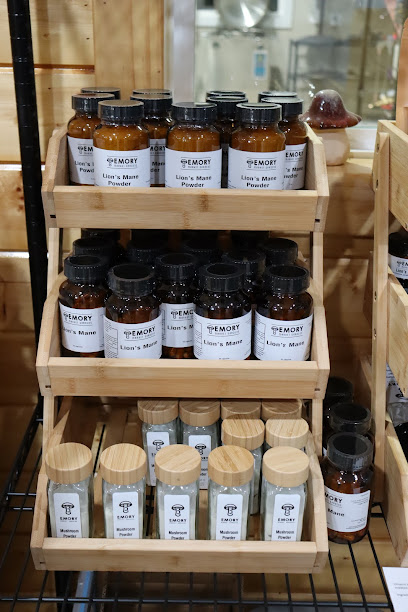
Gourmet mushroom and produce. Top products: Gourmet mushrooms, Seasonal harvest boxes, Growing supplies. Emory Market Gardens, LLC., based in Emory, Texas, is a specialized agricultural operation focused on the controlled-environment cultivation of gourmet mushrooms and diverse seasonal produce. Emphasizing sustainable and natural growing methodologies, the farm prioritizes soil health and biodiversity to produce nutrient-dense food offerings. Their business model serves the local community through a direct-to-consumer Harvest Box subscription service, alongside a consistent presence at prominent Texas farmers' markets in Winnsboro, Mineola, and Dallas. Beyond commercial production, the organization functions as an educational hub, offering hands-on workshops and classes that cover mushroom cultivation, gardening, and food preservation. By integrating professional growing expertise with a mission to support the local food system, the farm provides both premium agricultural products and essential resources—such as cultivation supplies—to empower home growers and culinary enthusiasts alike.

📍4020 FM 515, Emory, TX 75440, USA
Route

The Rise of Mushroom Farming in Emory

Emory has seen a significant shift toward controlled-environment agriculture, specifically regarding gourmet and medicinal mushroom cultivation. Unlike traditional field crops, mushrooms thrive in specialized indoor setups that allow growers to bypass the challenges of local soil quality and erratic weather patterns. This agricultural method provides residents with access to high-quality fungi year-round, regardless of seasonal shifts.

Current Local Growers

The following operation currently leads the local landscape in gourmet mushroom production and agricultural education:

Farm NameSpecialtyKey Offerings
Emory Market Gardens, LLC.Gourmet Mushrooms & ProduceHarvest boxes, cultivation supplies, and workshops

Why Buy Locally Grown in TX?

Emory’s climate presents distinct challenges for traditional outdoor gardening, including high summer temperatures and unpredictable humidity levels. Indoor mushroom farming solves these issues by creating a micro-climate where temperature and moisture are precisely regulated. By purchasing from local growers, consumers ensure their produce is harvested at peak freshness, avoiding the nutrient loss associated with long-distance shipping. Furthermore, local operations often utilize sustainable, small-batch techniques that reduce the carbon footprint compared to industrial-scale agricultural imports.

Popular Varieties & Culinary Uses

Local growers in the Emory area typically focus on varieties favored for both culinary versatility and potential health benefits:

  • Oyster Mushrooms: Known for their delicate texture, these are ideal for stir-fries, sautés, and as a meat substitute in vegetarian dishes.
  • Shiitake: These provide a deep, umami flavor profile, making them a staple for soups, stews, and roasted vegetable medleys.
  • Lion's Mane: Highly regarded for its unique, crab-like texture and potential cognitive health benefits; it is best seared in butter to crisp the edges.
  • Cordyceps: Often sought for wellness applications, these are frequently dried and added to teas or tinctures for their purported energy-boosting properties.

Frequently Asked Questions

Q: Why is indoor mushroom farming better for the Emory climate?

A: Indoor farming allows growers to maintain consistent humidity and temperature levels, shielding crops from the extreme heat and volatile weather typical of East Texas.

Q: Where can I find locally grown mushrooms in Emory?

A: Local growers like Emory Market Gardens, LLC. offer products through direct-to-consumer harvest box subscriptions and maintain a presence at farmers' markets in Winnsboro, Mineola, and Dallas.

Q: Are there resources for home growers in Emory?

A: Yes, some local farms function as educational hubs, offering workshops and selling cultivation supplies to assist residents in starting their own mushroom-growing projects.