The Mushroom Market in Texas
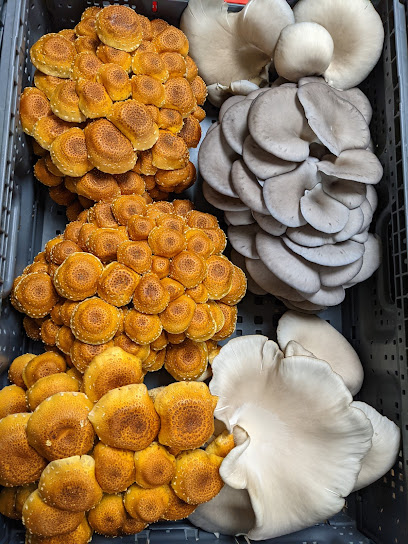
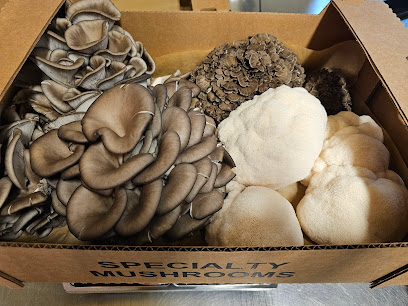
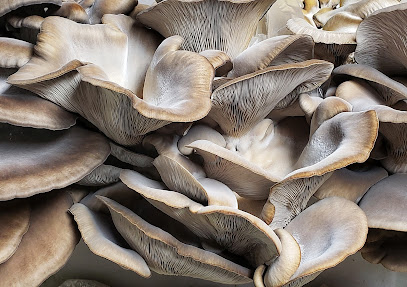
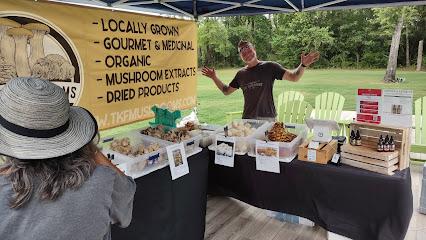
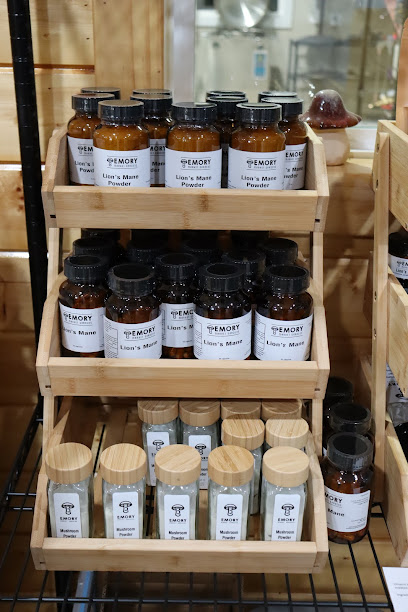
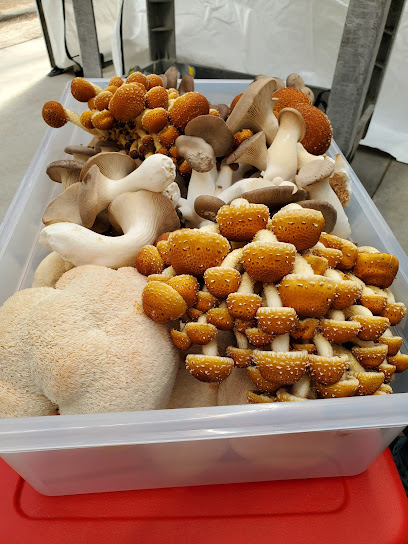
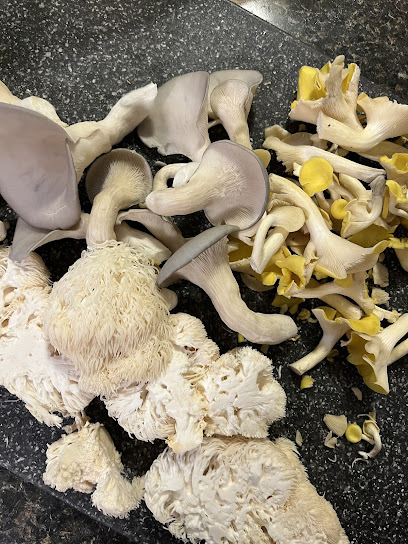
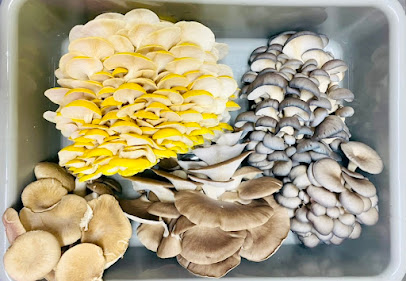
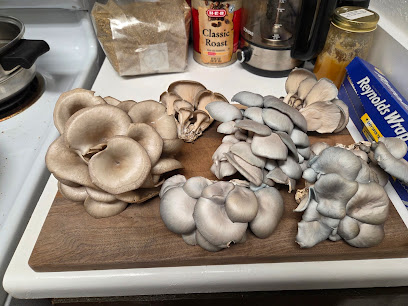
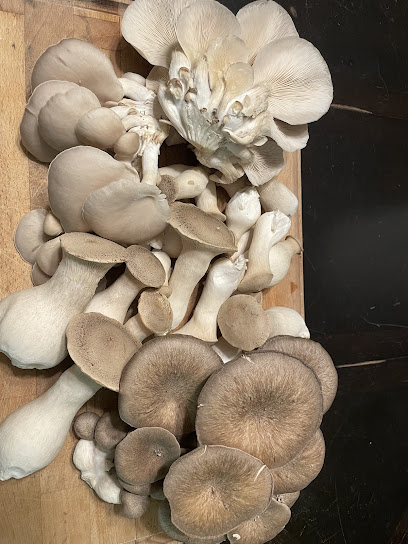
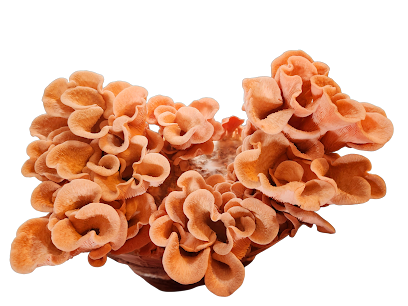
Texas currently hosts 28 verified mushroom farms distributed across 24 active cities. The market has shifted from traditional bulk wholesale to a high-demand model for gourmet and medicinal species. Consumers are prioritizing freshness, driving a surge in localized, indoor-controlled environment agriculture (CEA). While legacy wholesalers like Dallas South Mill Distribution still supply large-scale operations, the trend is toward boutique farms like Dryad Grove, TKF Mushrooms LLC, and Mycenae Mushrooms, all of which maintain perfect 5.0 ratings. The market is defined by rapid turnover of high-value crops such as Lion’s Mane, Oyster, and Shiitake, which command premium prices in metropolitan culinary circles.
Top Cities for Gourmet Fungi
Concentration of mushroom production follows population density and logistics infrastructure. San Antonio leads with three distinct farms, likely supported by its central location and access to a diverse restaurant market. Houston and Corpus Christi follow, each hosting two key operations. These hubs benefit from established supply chain networks that allow for rapid farm-to-table delivery. Smaller, specialized operations have emerged in cities like McKinney, Mission, Amarillo, Burleson, Buda, Denison, and Grand Prairie. This geographic spread suggests that the Texas market is not centralized in one region but is instead decentralized, allowing local growers to dominate their respective municipal markets without heavy competition from imported products.
Texas Climate & Mushroom Cultivation
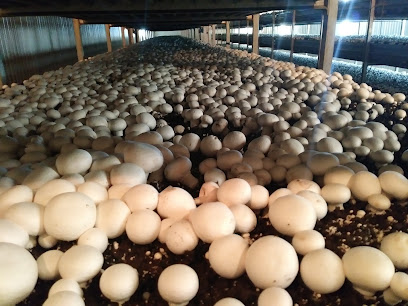
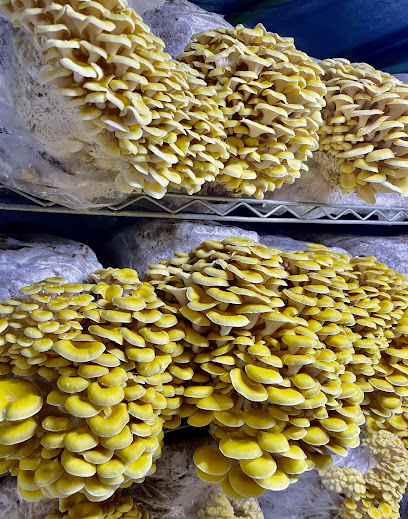
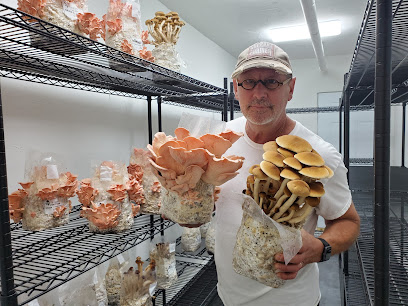
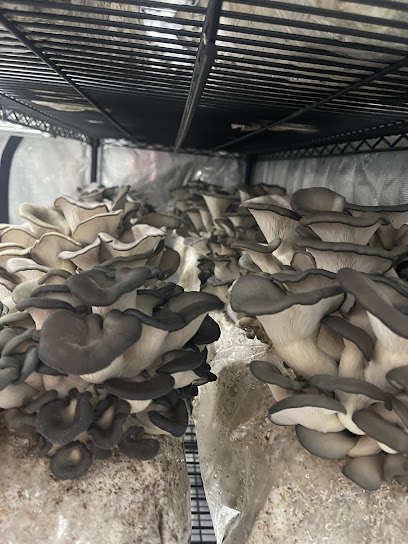
Texas presents a complex set of variables for mycology. With humidity levels oscillating wildly—from the arid West to the humid, sub-tropical East—outdoor cultivation is notoriously difficult and prone to contamination. Consequently, professional growers rely heavily on indoor climate-controlled fruiting chambers. These systems allow farms to replicate specific forest-floor conditions, such as 90% humidity and precise CO2 exchange rates, regardless of the scorching Texas heat. Substrate management is the primary operational hurdle. Because Texas lacks the massive hardwood forests found in the Pacific Northwest, growers must source agricultural byproducts like cottonseed hulls or wheat straw, which are abundant in the state. Mastering the moisture-holding capacity of these substrates is what separates high-rated farms like Fuku-Farm and South Texas Seasonals from hobbyist setups. By manipulating the microclimate, these farms produce consistent yields year-round, bypassing the seasonal limitations that typically restrict wild foraging.
Sourcing Locally in TX
For restaurants and home consumers, sourcing local fungi requires navigating a mix of retail-facing farms and specialized agricultural suppliers. Use these criteria to identify high-quality partners:
- Verify Cultivation Methods: Look for farms that prioritize sterile lab environments to ensure safety and quality, such as Elemental Farm’s organic-certified processes.
- Check Distribution Reach: Determine if the farm offers direct-to-consumer delivery or if they operate primarily through wholesale channels like Dallas South Mill Distribution.
- Assess Species Specialization: High-rated farms like Fallen Oak Mycology or TKF Mushrooms often specialize in specific medicinal or gourmet strains; match their specialty to your culinary or health needs.
- Evaluate Freshness Windows: Because gourmet mushrooms have a short shelf life, prioritize farms that provide same-day or next-day harvest-to-delivery windows.
- Consult Local Seed Suppliers: For those interested in home cultivation, consult companies like Earth's Tongue to understand which strains are best adapted to your specific Texas micro-region.