The Rise of Mushroom Farming in Anacortes
Urban farming in Anacortes is undergoing a functional transformation. Growers are moving away from traditional seasonal crops to focus on high-yield, indoor-grown specialty fungi. Mushrooms require controlled environments rather than open fields, making them ideal for the Pacific Northwest climate. By regulating humidity and ambient temperature, local cultivators can produce gourmet mushrooms year-round, regardless of the heavy rainfall or temperature shifts common in Skagit County. This shift prioritizes nutrient density and immediate access to farm-fresh food, cutting down the supply chain from weeks to mere hours between harvest and the kitchen table.
Current Local Growers
The following table outlines established agricultural ventures that contribute to the Anacortes food ecosystem, focusing on specialty fungi and related gourmet products.
| Grower | Specialties | Format |
|---|
| Dog Island Mushrooms | Gourmet mushrooms, mushroom logs, Asian produce, premium specialty meats | Farm |
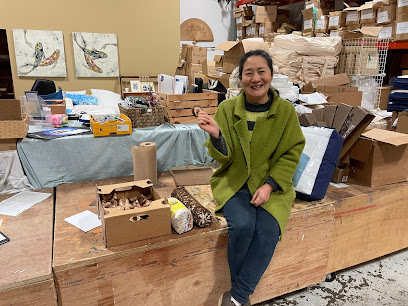
Growers like Dog Island Mushrooms play a dual role in the regional food economy. They supply both raw, fresh-picked fungi for immediate consumption and inoculated logs that empower residents to cultivate their own harvests at home. This model supports a local culture of food self-sufficiency while ensuring that professional kitchens in the area maintain access to high-quality ingredients like King Oyster and Lion’s Mane.
Why Buy Locally Grown in WA?
Washington’s climate is conducive to mushroom cultivation, but it also presents challenges. Fluctuating humidity and cool coastal winds can affect outdoor crops, making indoor agricultural facilities superior for quality control. Local produce avoids the standard logistics of commercial shipping. When you buy mushrooms harvested in Anacortes, you bypass the degradation that occurs during long-haul transport. Fungi are highly perishable, and a 48-hour transit window often results in loss of texture and flavor. Local supply chains ensure that textures like the meaty stalks of a King Oyster remain firm and the delicate caps of a Shiitake remain intact. Additionally, shopping locally supports a hyper-local circular economy, keeping capital within the Skagit Valley and reducing the carbon footprint associated with imported specialty produce.
Popular Varieties & Culinary Uses
Anacortes residents now have access to a sophisticated range of gourmet fungi that serve both culinary and nutritional roles. Shiitake mushrooms are a staple, prized for their umami-rich flavor profile. They hold up well in high-heat stir-frys, a common preparation style for the specialty Asian produce often found alongside these mushrooms. Lion’s Mane has gained popularity for its unique, seafood-like texture. When sautéed correctly, it serves as a robust substitute for crab or lobster in coastal recipes. Oyster mushrooms—ranging from Blue to Golden varieties—are favored for their versatility. They thin out nicely in soups or can be crisped up as a flavorful side dish. King Oyster mushrooms are perhaps the most culinary-focused, as their thick stems provide a substantial texture that is ideal for grilling or slicing into thick, steak-like rounds. Beyond the kitchen, many consumers seek these varieties for their potential wellness benefits, integrating them into daily diets to support nutritional goals. By prioritizing fresh, locally sourced options, home cooks can ensure that their meals rely on ingredients harvested at peak potency.