The Mushroom Market in Washington
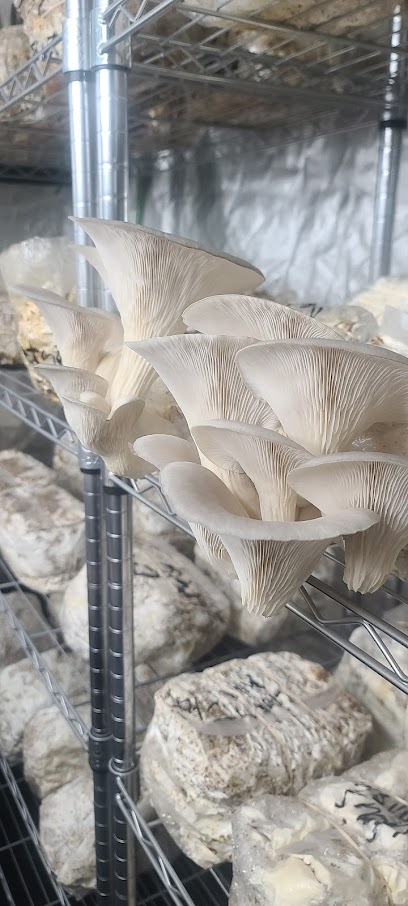
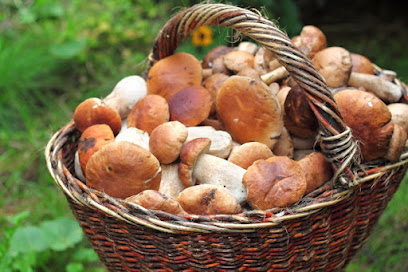
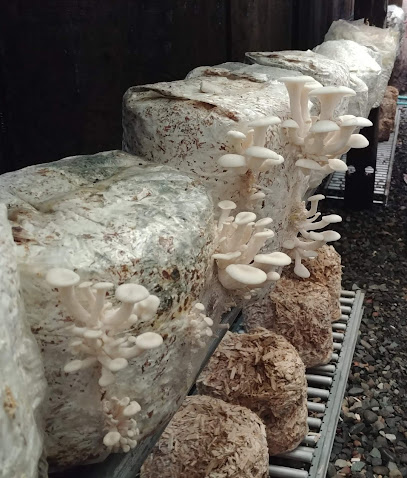
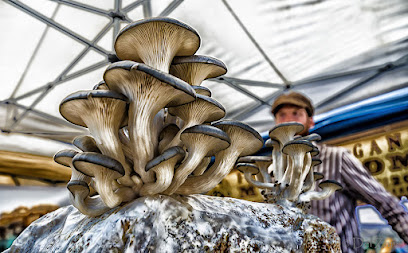
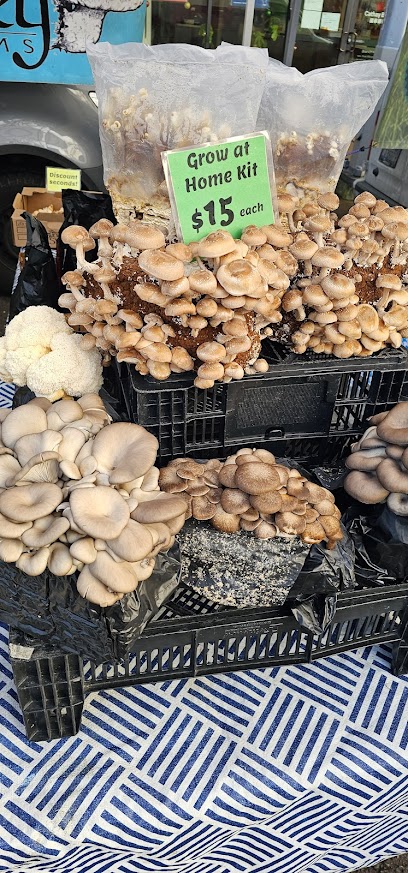
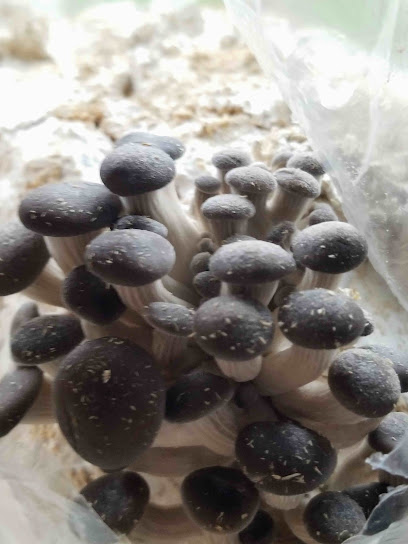
Washington state maintains a robust, decentralized network of 24 verified mushroom producers. The market has shifted from seasonal wild foraging toward sophisticated indoor year-round production. Producers focus on culinary staples like Oyster (Pleurotus ostreatus) and Lion’s Mane (Hericium erinaceus), alongside high-value medicinal extracts. The demand for locally sourced fungi in the Pacific Northwest remains high, driven by a culinary culture that prioritizes farm-to-table supply chains. While wild harvesting provides a seasonal baseline, indoor farms like Fungi Family Farm and Cascadia Mushrooms LLC now dominate the market, ensuring consistent supply regardless of meteorological fluctuations.
Top Cities for Gourmet Fungi
Mushroom cultivation in Washington exhibits clear geographic clustering. Seattle leads the state with five verified farms, serving as the primary hub for high-end restaurant distribution and farmers' markets. This concentration is not accidental; the density of high-income consumers and Michelin-caliber dining establishments in the urban core creates a localized demand that justifies the high overhead of indoor climate-controlled facilities. Spokane Valley and Vancouver follow as secondary hubs, each housing two verified farms. These cities act as regional distribution centers, bridging the gap between rural agricultural output and the urban populations of the Inland Northwest and the Portland-Vancouver metropolitan area. Other notable operations are distributed across 18 cities, including Marysville, Bellingham, and Port Angeles, suggesting a healthy spread of small-scale, artisanal mycology across the state.
Washington Climate & Mushroom Cultivation
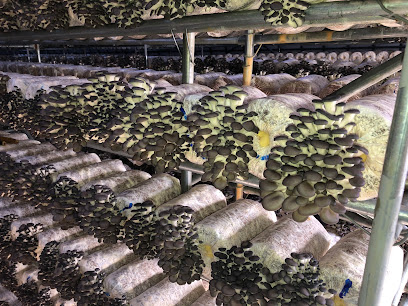
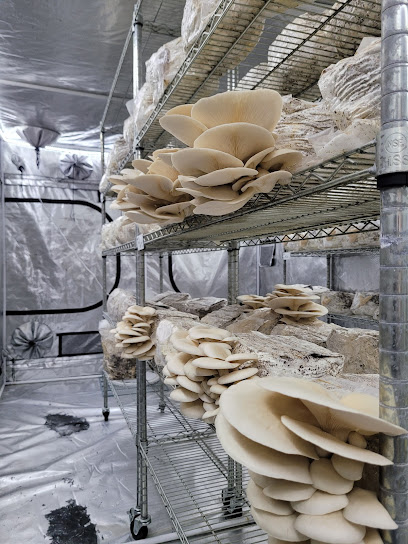
Washington’s geography presents a bifurcated reality for mycologists. West of the Cascade Range, the maritime climate offers high ambient humidity and moderate temperatures, which are ideal for outdoor log cultivation and semi-controlled greenhouse setups. However, the reliance on high-tech indoor fruiting chambers is what truly drives the state’s commercial output. Indoor growers manipulate vapor pressure deficit (VPD) and CO2 levels to mimic the ideal forest floor conditions required for mycelial colonization and pin initiation. Conversely, the arid regions of Eastern Washington require intensive climate control to manage moisture levels, as the natural environment is typically too dry for commercial-scale cultivation. Success in this state hinges on the ability to replicate the damp, nutrient-rich environment of the Olympic Peninsula using sterile lab techniques and precise substrate formulation. Farms like Hells Canyon Mycology and Primal Compounds leverage these environmental insights to produce high-yield, high-potency crops that compete with both imported and wild-harvested alternatives.
Sourcing Locally in WA
Identifying reliable suppliers is critical for retailers and consumers. The following list highlights key verified entities operating within the state:
- Fungi Family Farm: High-rating producer focused on fresh culinary varieties.
- Cascadia Mushrooms LLC: A major wholesaler capable of meeting high-volume demand.
- PNW Wild Mushrooms: Specialized supplier for those seeking wild-harvested and foraged varieties.
- Mindful Mushrooms LLC: Known for farm-direct sales and consistent quality.
- Pacific Northwest Mushrooms LLC: Focused on small-batch, high-quality production.
- Sno-Valley Mushrooms U-District: A vital link for direct-to-consumer sales in the Seattle area.
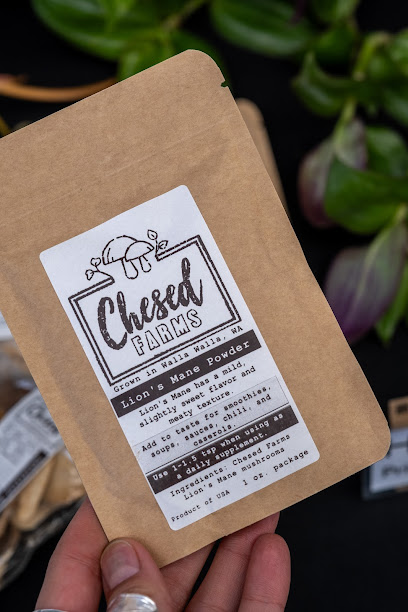
- Chesed Farms, LLC: Represents the standard for agricultural production and quality control.
- Dog Island Mushrooms: An artisanal farm providing consistent, high-rated product.
For restaurants, establishing direct contracts with farms like Windmill Farms or Marrowstone Mushrooms ensures shorter supply chains and superior shelf life, which is essential for delicate gourmet fungi that degrade rapidly during transport.