Local Mushroom Market in Seattle
Seattle’s Pacific Northwest climate presents a unique paradox for mushroom cultivation. While the region is legendary for wild foraging, consistent, year-round access to high-quality gourmet and medicinal fungi requires controlled environments. The natural humidity and moderate temperatures of Washington provide a stable baseline, but indoor cultivators rely on specialized fruiting chambers to replicate specific ecological niches. This allows local farms to produce varieties like Lion's Mane and Oyster mushrooms that might otherwise be imported from distant industrial facilities.
Currently, five distinct suppliers anchor the Seattle mushroom scene. These operations range from community-focused educational hubs to distributed market stalls. By sourcing locally, consumers bypass the supply chain degradation that often leaves grocery store mushrooms soft or dehydrated. Local production ensures rapid farm-to-table transit, maintaining the structural integrity and nutritional density of the fungi.
Comparison of Top Growers
| Farm Name | Rating | Specialization | Type |
|---|
| Marrowstone Mushrooms | 5 | Gourmet, Medicinal, Education | Farm |
| Sno-Valley Mushrooms Capitol Hill | N/A | General Fungi | Farm |
| Rick's Wild Mushrooms | 3 | General Fungi | Food manufacturer |
| Sno-Valley Mushrooms U-District | 5 | General Fungi | Farm |
| Sno-Valley Mushrooms Ballard | N/A | General Fungi | Farm |
Deep Dive into Suppliers
Marrowstone Mushrooms: Founded by Benjamin Jaffe, this operation serves as a dual-purpose facility. It combines small-batch cultivation with the Seattle Mushroom School, providing both fresh produce and expert-led workshops for aspiring mycologists.
Sno-Valley Mushrooms Capitol Hill: As a direct farm presence in one of Seattle's most dense residential neighborhoods, this location offers high accessibility for urban dwellers. Lack of a public rating suggests a focus on wholesale or walk-up retail rather than digital community engagement.
Rick's Wild Mushrooms: Operating as a food manufacturer, this entity likely processes raw harvests into value-added goods. A lower rating indicates potential volatility in quality or supply consistency compared to dedicated primary producers.
Sno-Valley Mushrooms U-District: Located near the University of Washington, this site benefits from high foot traffic. Its perfect rating reflects a reliable supply of fresh stock for the local student and resident population.
Sno-Valley Mushrooms Ballard: This site operates as a regional distribution point within the Ballard neighborhood. While unrated, its presence in a major commercial district suggests a strategic role in the farm's broader local supply network.
Buying Guide for WA Residents
- Check Firmness: Fresh mushrooms should be firm to the touch. Avoid specimens with slimy surfaces or significant discoloration, as these indicate age and improper storage.
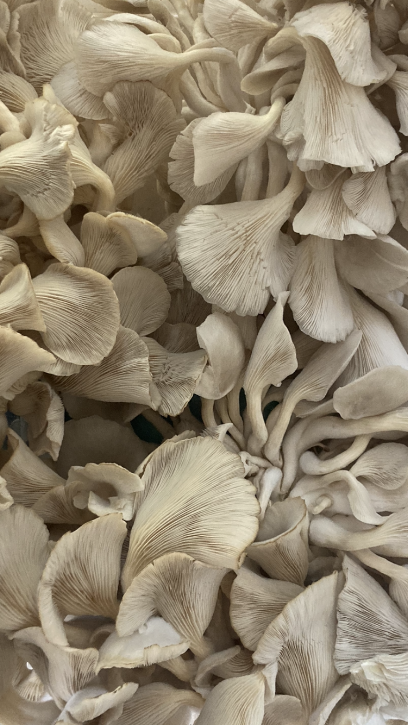
- Examine the Gills: For oyster and other capped mushrooms, the gills should be distinct and not fused together. Tight, clean gills are a sign of recent harvest.
- Prioritize Local: Washington-grown fungi avoid the carbon footprint of long-haul logistics. Local farms, like those in the Sno-Valley network, often harvest daily, ensuring peak enzymatic activity and flavor.
- Understand Medicinal Utility: Varieties like Lion's Mane are prized for potential neuro-regenerative properties, while Cordyceps are sought for energy support. Always verify the extraction method if buying powders or tinctures.
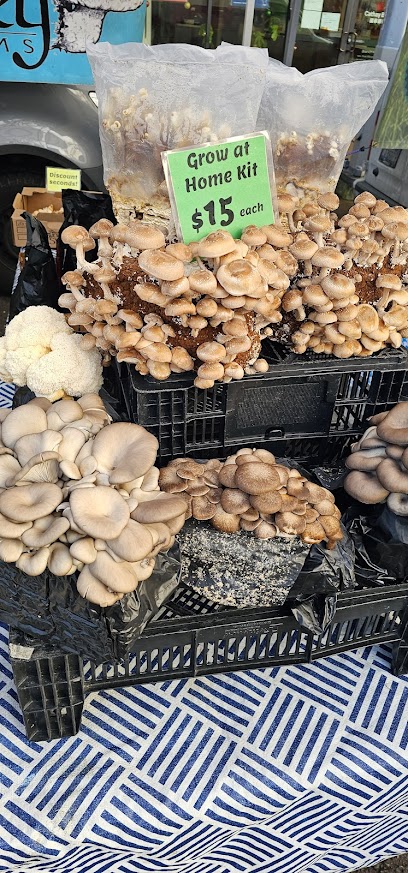
- Cultivation Kits: If you want the freshest possible experience, consider a grow kit from an educator like Marrowstone Mushrooms. These kits allow you to manage the final fruiting stage in your own kitchen, providing the highest possible control over your food source.