GrowersFinder

Verified Mushroom Farm in Sunnyside

Showing 1 organic producers near you

Switch city:
Loading Map...

Top Rated Farms in SUNNYSIDE

Windmill Farms
💬 4 reviews⭐ 4
Farm

Windmill Farms

Commercial gourmet mushroom producer. Top products: Fresh specialty mushrooms, Gourmet and wild mixes, Organic sauté blends. Windmill Farms operates as a high-scale commercial mushroom cultivation enterprise, utilizing advanced Dutch-engineered growing methodologies to ensure precision, consistency, and environmental control. The company distinguishes itself through a vertically integrated infrastructure, which includes state-of-the-art climate-controlled cultivation facilities and North America’s only fully enclosed organic composting operation. By controlling the entire lifecycle—from the production of their own substrate to the final harvest—Windmill Farms maintains rigorous quality standards for their diverse portfolio, which spans conventional and organic white, cremini, enoki, maitake, king oyster, oyster, chestnut, and portobello mushrooms. Their business model serves both retail consumers and the foodservice sector, providing a range of whole, sliced, and pre-blended mushroom products designed for culinary convenience. With a strong emphasis on sustainability and innovation, the company functions as a key supply partner for chefs and retailers seeking reliable, sustainably grown gourmet fungi.

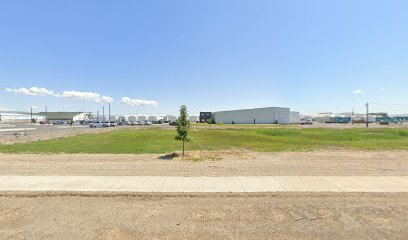
📍947 Midvale Rd, Sunnyside, WA 98944, USA
Route

The Rise of Mushroom Farming in Sunnyside

Sunnyside, Washington, is witnessing a transition in how residents source fresh produce. While traditional agriculture remains the backbone of the region, the specialized sector of gourmet and medicinal mushroom cultivation is gaining traction. Indoor farming allows producers to bypass the volatility of the Pacific Northwest weather, offering a consistent supply of fungi year-round. This shift represents a move toward hyper-local food systems, reducing transportation times and ensuring that mushrooms reach kitchen tables at the peak of their nutritional density. By leveraging controlled environments, local growers are creating a stable market for specialty varieties that were once difficult to find in this part of the state.

Current Local Growers

The agricultural landscape in Sunnyside includes operations that utilize precision technology to maintain high standards of quality. The following table highlights current active participants in this space.

Farm NameSpecialtiesKey Features
Windmill FarmsOyster, Maitake, King Oyster, Cremini, Enoki, Portobello, ChestnutVertical integration, organic composting, advanced climate control

Windmill Farms exemplifies the commercial capacity currently present in the region. Their facility utilizes Dutch-engineered methodologies to control every stage of the mushroom lifecycle. By managing the production of their own substrate and maintaining an enclosed composting operation, they ensure that the final product is both high-quality and reliable for both retail and foodservice clients.

Why Buy Locally Grown in WA?

Washington state experiences significant seasonal variation. While the climate is excellent for certain outdoor crops, mushrooms require specific environmental parameters that are difficult to replicate in an open field. Outdoor wild mushroom foraging is seasonal and unpredictable, making it difficult for local chefs and families to rely on for steady meal planning. Indoor farming solves this by maintaining constant humidity and temperature, regardless of external weather conditions. Buying from local indoor farms ensures freshness that long-haul shipping cannot match. When mushrooms travel less, they retain better texture and flavor. Furthermore, local indoor operations like those in Sunnyside often focus on sustainable practices, such as the localized production of substrate, which minimizes waste compared to industrial-scale imported products.

Popular Varieties & Culinary Uses

Sunnyside residents now have access to an array of gourmet fungi, each with distinct profiles. Oyster mushrooms, known for their delicate texture, serve as an excellent plant-based protein in stir-fries or sautéed with garlic and butter. King Oyster mushrooms offer a meaty, dense texture that mimics scallops or steak, making them a favorite for vegetarian grilling. Maitake, or 'hen-of-the-woods,' provides a deep, earthy flavor perfect for soups and risottos. Chestnut mushrooms are gaining popularity for their nutty, slightly sweet finish. Beyond culinary use, many of these varieties are recognized for their bioactive compounds, including beta-glucans and antioxidants. Integrating these mushrooms into daily cooking not only enhances the complexity of dishes but also supports a functional approach to nutrition. Whether you are a professional chef sourcing for a menu or a home cook experimenting with new ingredients, fresh, locally grown mushrooms provide a superior standard of quality compared to conventional, mass-distributed options.

Frequently Asked Questions

Q: Why is indoor mushroom cultivation preferred in the Sunnyside area?

A: Indoor cultivation is essential in Sunnyside because it allows growers to bypass the region's extreme seasonal temperature and humidity fluctuations. By using climate-controlled facilities and Dutch-engineered methodologies, farmers can produce high-quality mushrooms year-round. This consistency ensures that local consumers and chefs have a reliable supply of fresh, organic, and gourmet fungi, regardless of the weather outside, which is not possible with traditional outdoor-dependent crops.

Q: How do I ensure I am getting the freshest mushrooms available locally?

A: To get the freshest product, look for mushrooms sourced from local, vertically integrated farms like Windmill Farms. Because they control the entire lifecycle—from substrate production to harvest—the supply chain is significantly shorter than that of national grocery chains. Purchasing directly from local retail partners or foodservice suppliers ensures the mushrooms are harvested at their peak, maintaining better texture, flavor, and nutrient content compared to options that have been in transit for days.

Q: What is the difference between culinary and medicinal mushrooms?

A: While most culinary mushrooms, such as oyster and maitake, also provide health-supporting benefits like antioxidants and beta-glucans, the term 'medicinal' is often reserved for species specifically sought for wellness properties. However, in a gourmet market, these categories overlap. Many mushrooms grown in Sunnyside are prized as much for their complex, umami-rich culinary profiles as they are for their potential support of immune health, making them versatile additions to a healthy diet.

Q: What should I look for when buying gourmet mushrooms?

A: When selecting gourmet mushrooms, look for firm, clean specimens that are free from slimy textures or dark, watery spots. Fresh mushrooms should have a pleasant, earthy aroma. Avoid packages with significant condensation, as this can degrade the mushroom quality. By choosing mushrooms grown locally in climate-controlled environments, you are more likely to find products that have been harvested recently and handled with higher precision, ensuring they last longer in your refrigerator.

Q: Can I grow my own gourmet mushrooms at home in Washington?

A: While large-scale commercial growers in Sunnyside utilize advanced facilities and organic composting, home enthusiasts can start by purchasing mushroom growing kits. These kits are specifically designed for the Pacific Northwest climate, allowing you to grow varieties like oyster or lion’s mane on your kitchen counter. However, for large-scale, high-quality, and reliable access to a wide variety of gourmet species, supporting local commercial farms remains the most efficient and sustainable choice for most residents.