The Rise of Mushroom Farming in Walla Walla
Walla Walla is transitioning from a traditional landscape of wheat and grapes to a diverse hub for indoor specialty agriculture. Gourmet mushroom cultivation stands at the forefront of this shift. By moving production into controlled environments, local growers bypass the harsh, semi-arid climate swings of Eastern Washington. These indoor systems allow for year-round production, creating a reliable supply chain that brings fresh, high-quality fungi to regional tables regardless of the season. This controlled approach not only yields consistent harvests but also minimizes water usage and environmental waste, aligning with broader sustainability goals in the Pacific Northwest food movement.
Current Local Growers
The following table outlines prominent producers operating within the Walla Walla and Tri-Cities region, focusing on high-quality gourmet and medicinal fungi.
| Business Name | Specialties | Market Presence |
|---|
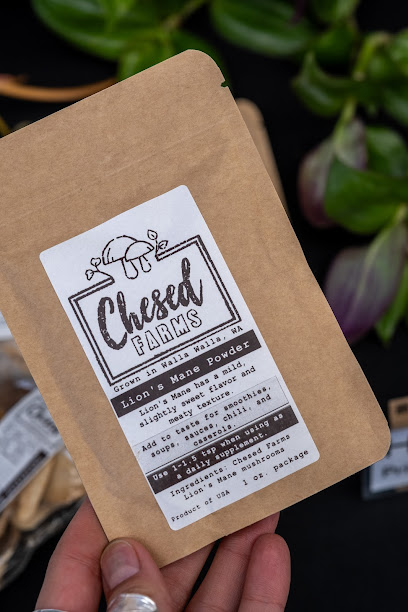
| Chesed Farms, LLC. | Gourmet mushrooms, Lion’s Mane powder, mushroom jerky | Restaurants, farmers' markets, online store |
Growers in this space often function as more than simple food producers. By aggregating local supply through initiatives like the Choice Mushroom Collective, these entities bridge the gap between niche cultivation and commercial accessibility. This collaborative model supports local food security while providing educational opportunities through farm tours and school programs.
Why Buy Locally Grown in WA?
Washington’s climate presents significant challenges for outdoor agriculture. Walla Walla experiences hot, dry summers and chilly winters, which makes mushroom cultivation difficult for those relying on open-field methods. Indoor cultivation solves this by allowing farmers to manipulate humidity, temperature, and CO2 levels with precision. When you buy locally, you avoid the significant carbon footprint associated with long-distance shipping. Mushrooms are highly perishable items; retail mushrooms often sit in transit for days, losing texture and nutritional potency. Local, indoor-grown mushrooms reach regional chefs and consumers within hours of harvest. This ensures a firmer texture and a longer shelf life for the end user.
Popular Varieties & Culinary Uses
Gourmet mushroom demand continues to climb, driven by both culinary interest and the wellness industry. Varieties such as Lion’s Mane, Oyster, and Shiitake serve as the backbone of the local market. Lion’s Mane is highly sought after for its mild, seafood-like flavor when sautéed and its growing reputation in the nutraceutical space, often processed into powders to support cognitive health. Mushroom jerky has emerged as a popular, shelf-stable, plant-based protein source, catering to the active Pacific Northwest outdoor lifestyle.
For home cooks, the versatility of these varieties cannot be overstated. Oysters offer a delicate, velvety texture that pairs well with pasta or stir-fries, while Shiitakes provide an earthy, umami-rich punch that elevates vegetable-based soups. Because these mushrooms are grown in clean, controlled indoor environments, they require minimal cleaning. Most chefs recommend a light brush rather than a thorough rinse to maintain the structural integrity of the fungi. As the local market matures, expect to see an expansion in both the variety of mushrooms available and the value-added products that make gourmet nutrition accessible for daily consumption.