GrowersFinder

Mushroom Farms in Wisconsin

Explore 5 local mushroom producers across 5 cities.

Select your city:
Loading Map...

Top Rated Farms in WI

Vitruvian Farms and Store
💬 98 reviews4.9
Farm

Vitruvian Farms and Store

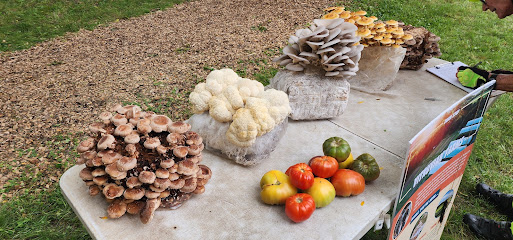
Certified organic produce farm. Top products: Certified organic mushrooms, Certified organic vegetables, Local farm produce. Vitruvian Farms, located in McFarland, Wisconsin, operates as a diversified agricultural producer and local food aggregator. Their primary focus is the cultivation of Certified Organic vegetables and mushrooms, which they distribute through a multifaceted business model that emphasizes local food sovereignty. Beyond their own production, they serve as a hub for the Greater Madison food system, curating a wide catalog of over 700 products sourced from more than 50 local farmers and makers. Their operational infrastructure includes a physical farm store, a robust e-commerce platform offering home delivery, and a comprehensive Community Supported Agriculture (CSA) program. The farm maintains strong institutional relationships, supplying their produce to over 50 restaurants and retail establishments throughout the region. By integrating direct-to-consumer sales, a subscription-based model, and wholesale distribution, Vitruvian Farms effectively bridges the gap between regenerative organic cultivation and accessible community nutrition.

📍2727 B US-51, McFarland, WI 53558, USA
Route
Segura & Sons Mushroom Farm
💬 5 reviews5
Farm

Segura & Sons Mushroom Farm

Gourmet mushroom cultivator, bioremediation. Top products: Fresh Gourmet Mushrooms, Mushroom Grow Kits, Mycoremediation Services. Segura & Sons Mushroom Farm is a vertically integrated, family-owned urban farm based in Stevens Point, Wisconsin, dedicated to the year-round cultivation of wood-loving gourmet fungi. Their agricultural model emphasizes regenerative practices, utilizing regional waste streams—specifically sawdust, bran, and grains from local furniture and agricultural industries—as primary substrate inputs. Beyond standard culinary production, the farm distinguishes itself through specialized mycoremediation projects, employing fungal bioremediation to address soil and water contaminants, including cutting oils and PFAS. Their culinary offerings are diverse and seasonal, featuring varieties such as Italian, Blue, Pink, and Pearl Oysters, alongside specialty cultivars like Speckled Chestnut, Lion’s Mane, King Trumpet, Reishi, and Cordyceps. Committed to environmental stewardship, the facility operates on solar power and maintains a robust waste diversion program that recycles over 10 tons of organic material annually. Serving both local direct-to-consumer markets via Saturday farmers' markets and the broader culinary community, Segura & Sons positions itself as a central pillar of the Central Wisconsin local food economy.

📍2117 Main St, Stevens Point, WI 54481, USA
Route
WI Mushroom Supply
💬 1 reviews1
Wholesale market

WI Mushroom Supply

📍201 1/2 E Wilson Ave, Appleton, WI 54915, USA
Route
No website listed
Fox Valley Mushrooms
Farm

Fox Valley Mushrooms

📍1711 Lost Dauphin Rd, De Pere, WI 54115, USA
Route
Farm Background Placeholder
N
Agricultural service

Nich3 Mushroom Farm

📍3160 WI-33
Route
No website listed

Browse by City

The Mushroom Market in Wisconsin

The Wisconsin gourmet mushroom market is currently characterized by a decentralized, high-quality production model. With 5 verified farms operating across 5 distinct cities, the industry remains in a growth phase, shifting from hobbyist foraging to controlled environment agriculture (CEA). The state's market is split between direct-to-consumer sales, such as those seen at Vitruvian Farms and Store, and specialized wholesale providers like WI Mushroom Supply. The demand for specialty fungi—specifically Oyster, Lion's Mane, and Shiitake—has surged among high-end culinary establishments and health-conscious consumers in the Midwest. Current market data suggests a premium on consistency, as evidenced by the high 4.9 and 5.0 ratings of top-tier farms like Segura & Sons Mushroom Farm.

Top Cities for Gourmet Fungi

Mushroom farming in Wisconsin is not evenly distributed; it is concentrated in strategic regional hubs that bridge the gap between rural production and urban consumption. The current active cities include Appleton, De Pere, Stevens Point, Newburg, and McFarland. Appleton stands out as a primary node. This is largely due to its proximity to the Fox Valley’s dense population, providing a reliable customer base for entities like Fox Valley Mushrooms. By situating facilities in these mid-sized cities, growers minimize logistics costs while maintaining the rapid transit times necessary for highly perishable culinary mushrooms.

  • Appleton: A central logistics hub for the Fox Valley, facilitating rapid distribution to regional grocers.
  • De Pere: Benefits from local infrastructure and proximity to regional agricultural education networks.
  • Stevens Point: Acts as a gateway for central Wisconsin, bridging the gap between northern forest foraging and southern urban markets.
  • Newburg: Serves as a specialized production site, leveraging lower land costs for high-output cultivation.
  • McFarland: Offers proximity to the Madison metropolitan area, allowing for quick farm-to-table delivery cycles.

Wisconsin Climate & Mushroom Cultivation

Wisconsin’s climate presents a paradox for mycologists. The state’s humid continental climate provides a natural seasonal window for wild foraging, particularly during the temperate, moist spring and autumn months. However, commercial production relies on indoor fruiting chambers to bypass the harsh, low-humidity winters. Effective cultivation here requires sophisticated climate control systems. Growers must manage CO2 levels, humidity (typically keeping levels between 85% and 95%), and ambient temperatures within insulated structures. The prevalence of hardwood forests, specifically Oak and Maple, provides an ideal substrate base for indoor growers who utilize supplemented sawdust blocks. These native forest resources are a competitive advantage for Wisconsin farms, allowing them to produce gourmet varieties that mimic the flavor profiles of wild-harvested specimens while maintaining year-round supply stability.

Sourcing Locally in WI

For restaurants and residents looking to source high-quality fungi, the following strategy ensures the freshest product:

  • Prioritize Farm-Direct: Engage with top-rated operations like Segura & Sons Mushroom Farm. Direct sourcing reduces the time-in-transit, which is the primary factor in mushroom degradation.
  • Verify Cultivation Methods: Inquire if the farm uses organic substrates or utilizes agricultural by-products from regional Wisconsin farms.
  • Leverage Agricultural Services: Utilize resources like Nich3 Mushroom Farm for consultation on cultivation techniques, which is vital for new entrants to the market.
  • Check Wholesale Availability: For high-volume culinary needs, entities like WI Mushroom Supply can provide broader access to diverse species, though buyers should verify current stock freshness before procurement.
  • Check Ratings and Reviews: Use platforms like Google or local agricultural boards to track farm performance, focusing on those with a 4.5+ rating to ensure consistent quality.

Frequently Asked Questions

Q: Which cities are the main hubs for mushroom farming in Wisconsin?

A: The primary hubs are Appleton, De Pere, Stevens Point, Newburg, and McFarland.

Q: Does Wisconsin's climate affect indoor mushroom farming?

A: Yes. While the state's natural humidity aids foraging, commercial indoor farms must utilize advanced climate-controlled fruiting chambers to maintain consistent humidity and temperature during Wisconsin's cold, dry winter months.

Q: What is the difference between farms like Vitruvian Farms and WI Mushroom Supply?

A: Vitruvian Farms and Store operates as a direct-to-consumer farm with high consumer ratings, while WI Mushroom Supply functions as a wholesale market, likely focusing on distribution and supply chain logistics.