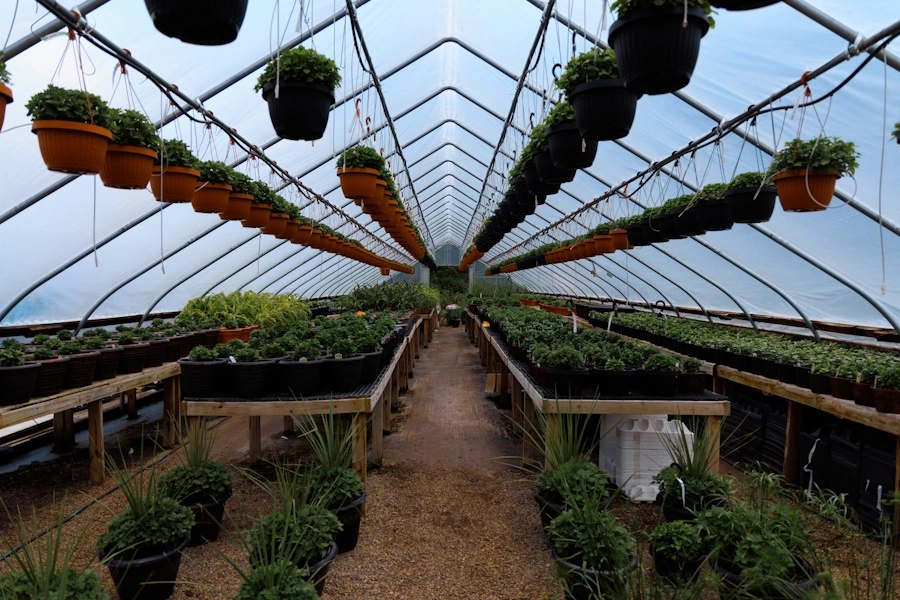
Local Nursery Scene in Van Buren
Van Buren residents have access to three distinct suppliers of plant material and gardening essentials. The local market prioritizes specialized horticultural production over generic retail inventory. Because Arkansas spans USDA Hardiness Zones 6b through 8a, plant survival depends heavily on selecting varieties adapted to fluctuating temperatures and specific humidity levels. Growers in this region must account for late spring frosts and intense summer heat, making local expertise critical when choosing nursery stock. These suppliers serve different niches ranging from wholesale fruit production to boutique floral gardening.
Comparison of Top Nurseries
| Nursery Name | Rating | Specialization | Type |
|---|
| Pense Nursery | 3 | Fruit Plants | Maps Search |
| Newton Nursery and Farm | 5 | General Nursery | Maps Search |
| Nanna's Iris Garden | 5 | General Nursery | Maps Search |
Deep Dive into Nurseries
Pense Nursery operates as a specialized fruit plant facility, focusing on the propagation of berry varieties like strawberries, raspberries, and blackberries. They maintain a seasonal shipping model from December through May, ensuring plants remain in a dormant state for better transplant success in home and commercial orchards.
Newton Nursery and Farm holds a strong reputation with a 5-star rating among local buyers. As a general nursery, they provide a broader scope of plants suitable for the Van Buren climate compared to single-crop specialists, functioning as a primary resource for residential landscape projects.
Nanna's Iris Garden offers a localized, small-scale nursery experience. While their review volume is lower, this type of specialized garden center is often where you find heirloom varieties and high-quality specimens that are better acclimated to the soil and rainfall patterns of Western Arkansas than mass-produced retail stock.
Buying Guide for AR Gardeners
- Prioritize Native Species: Arkansas native plants offer superior drought tolerance and pest resistance. These species are already adapted to local soil chemistry and require fewer chemical inputs or excessive watering during peak summer heat.
- Check Plant Health: Inspect the root structure and foliage for signs of disease. Avoid plants that are root-bound or show yellowing leaves. Local growers generally provide healthier starts than big-box stores because they manage smaller inventories with more personalized attention.
- Understanding Hardiness Zones: Most of Van Buren falls within Zone 7. Always verify that a nursery plant is rated for Zone 7 to avoid losses during extreme winter fluctuations.
- Soil Amendments: Arkansas soil often requires significant organic matter. Before planting, test your soil pH to determine if amendments like lime or sulfur are needed to support specific species.
- Acclimation Advantage: Plants grown in local nurseries are already hardened to the specific microclimate of the region. They avoid the shock often associated with bringing nursery stock from different environmental zones, significantly increasing the probability of long-term garden establishment.
- Seasonal Timing: For fruit plants like those found at Pense Nursery, planting during the dormant season is essential. Conversely, perennial flowering plants like irises often prefer late summer or fall planting in this region to establish root systems before the next year's bloom.
The distinction between a garden center and a wholesale nursery is vital for your project success. Garden centers typically carry a wide variety of annuals, mulch, and seasonal supplies, making them ideal for quick landscape updates. Nurseries, particularly those that specialize in propagation, provide high-quality stock meant for long-term growth. When shopping in Van Buren, prioritize these smaller, specialized nurseries to ensure the genetic quality and climate compatibility of your purchases. By sourcing locally, you support regional agriculture and ensure your landscape thrives in Arkansas’s unique environment.