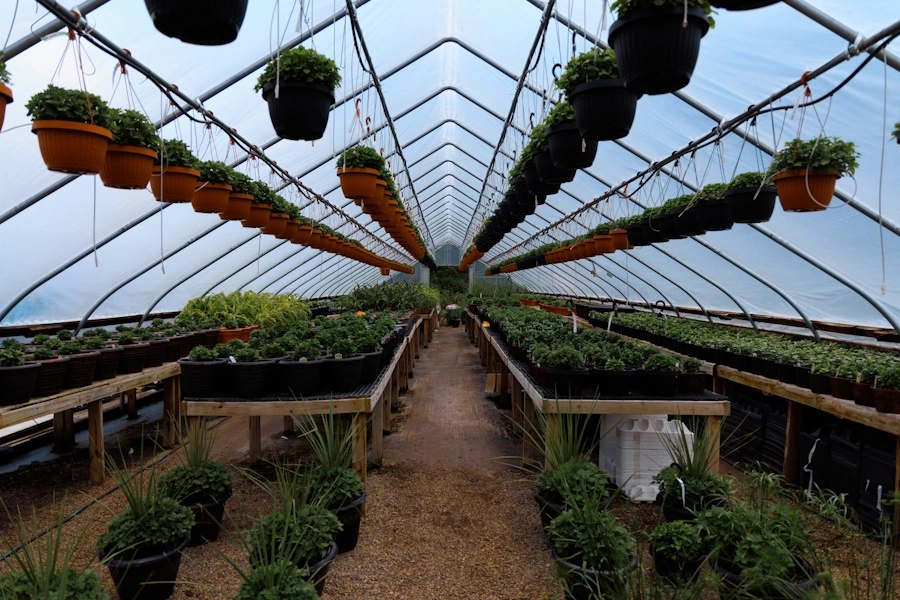
Local Nursery Scene in Canton
Canton and the broader Georgia region host a diverse ecosystem of 14 nurseries and garden centers, ranging from boutique retail outlets to large-scale commercial forestry producers. Access to local growers is vital for Georgia gardeners, as plants propagated in regional climates are pre-acclimated to local temperature swings, humidity levels, and common pest pressures. While big-box retailers often ship inventory from distant locations, local garden centers typically stock cultivars that thrive in Georgia's USDA hardiness zones 7 and 8. The market is segmented into specialized growers focused on specific species like Japanese Maples, commercial suppliers of greenhouse infrastructure, and community-focused retail outlets that provide expert guidance on vegetable gardening and container design.
Comparison of Top Nurseries
| Nursery Name | Rating | Specialization | Type |
|---|
| Maple Ridge Nursery | 4.8 | Japanese Maples and Conifers | Maps Search |
| Shady Creek Greenhouses | 4.9 | Annuals and Perennials | Maps Search |
| Barn Side Nursery, LLC | 4.5 | Landscape-ready plants | Maps Search |
| Griffin Greenhouse Supplies, Inc. | 4.2 | Greenhouse infrastructure | Maps Search |
| Lila's Plants | 4.5 | General plant nursery | Maps Search |
| Southeast Landscapes Supplies and Nursery | 4.9 | General plant nursery | Maps Search |
| Triple T Nursery | 5.0 | Annuals, Perennials, Succulents | Maps Search |
| Andrew's Farm & Nursery | 4.6 | General plant nursery | Maps Search |
| Crepe Myrtle Nursery | 5.0 | General plant nursery | Maps Search |
| Meeks Farms & Nursery Inc | 4.8 | Forestry seedlings | Maps Search |
Deep Dive into Nurseries
- Maple Ridge Nursery: This grower specializes in a massive inventory of over 300 Japanese Maple and conifer varieties. They focus on professional grafting techniques and offer a direct-to-consumer model that includes shipping containerized trees nationwide.
- Shady Creek Greenhouses: With over 200,000 square feet of production space, this operation balances wholesale and retail supply. They pivot inventory seasonally, focusing on high-performance annuals and tropicals for the Georgia heat.
- Barn Side Nursery, LLC: Serving residential and commercial clients, this facility combines a full-service plant nursery with professional design services. They stock everything from fruit-bearing trees to ornamental shrubs and provide custom floral design.
- Griffin Greenhouse Supplies, Inc.: This is a commercial-grade supplier rather than a retail plant nursery. They focus on the technical side of horticulture, providing irrigation systems, climate control tech, and growing media to professional growers.
- Lila's Plants: Operating as a general plant nursery, this outlet provides local access to foundational landscape plants. General nurseries are ideal for shoppers seeking standard perennials and shrubs for consistent foundation plantings.
- Southeast Landscapes Supplies and Nursery: This facility focuses on general landscape offerings. Such outlets are primary sources for bulk landscape materials like soil and common ornamental trees suitable for Georgia’s climate.
- Triple T Nursery: This boutique garden center operates on a seasonal schedule to offer personalized horticultural guidance. They prioritize small-scale, home-gardening favorites like vegetable starts, annuals, and succulents.
- Andrew's Farm & Nursery: A general nursery that acts as a community resource for landscape staples. These establishments are central to sourcing locally adapted species that require less water once established.
- Crepe Myrtle Nursery: Specializing in general landscape stock, this nursery provides common flowering trees and shrubs. Their weekly hour updates suggest a responsive, local-focused retail operation.
- Meeks Farms & Nursery Inc: This is a large-scale commercial forestry provider. They specialize in high-volume production of pine seedlings for reforestation, emphasizing root development for long-term survival in Southeastern soil conditions.
Buying Guide for GA Gardeners
- Prioritize Acclimation: Buying from a nursery that grows their own stock ensures the plant has survived a full cycle of Georgia's humidity and temperature shifts. This increases the survival rate significantly compared to plants shipped from cooler, northern climates.
- Check Root Systems: Before purchasing, gently remove the plant from its container to ensure the roots are white and firm. Avoid plants that are 'root-bound,' where the roots circle tightly at the bottom, as these often struggle to establish in local clay-heavy soils.
- Understanding Hardiness: Most of Georgia falls into zones 7b or 8a. Always verify that a plant's growth zone covers your specific location to avoid winter kill or heat stress.
- Soil Prep: Georgia soil is typically heavy clay. Incorporating organic matter, such as compost or pine bark fines, before planting will improve drainage and give your new nursery purchases a head start.
- Seasonal Timing: Autumn is often the superior time to plant trees and shrubs in Georgia. The milder air temperatures paired with warm soil allow root systems to establish before the stress of the intense summer heat.