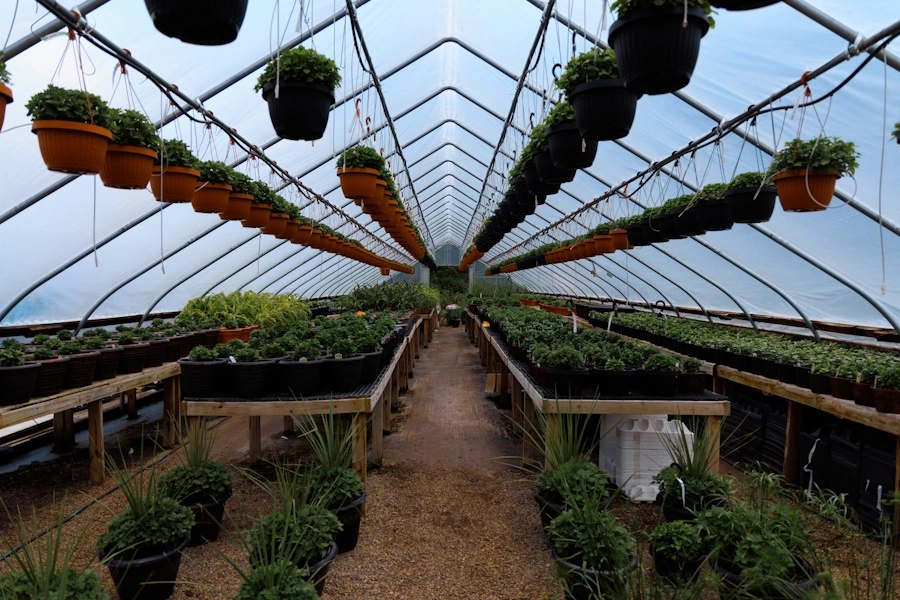
Local Nursery Scene in Fayetteville
Fayetteville, Georgia, provides a diverse horticultural landscape with six primary suppliers ranging from specialized native plant propagators to high-volume greenhouse producers. Gardeners in this region navigate USDA hardiness zones 7b and 8a, which dictate specific planting windows and moisture requirements. Understanding these zones is critical; local nurseries act as essential hubs for regional plant acclimatization, offering varieties that survive the humid Georgia summers and fluctuating spring frost cycles. Whether you require aesthetic shrubs, native groundcovers, or bulk mulch, the local options provide significant advantages over national retailers.
Comparison of Top Nurseries
| Nursery Name | Rating | Specialization | Type |
|---|
| Knights Market | 4.6 | Retail & Food Market | Retail Nursery |
| Minter's Farm | 4.9 | Christmas Trees | Agritourism |
| Nearly Native Nursery | 4.8 | Native Plants | Specialty Nursery |
| Wee Three Trees | 4.6 | General Stock | General Nursery |
| Cinema Greens | 4.7 | General Stock | General Nursery |
| S & S Greenhouses Inc | 4.0 | Commercial Production | Greenhouse/Wholesale |
Deep Dive into Nurseries
Knights Market: This facility functions as a hybrid retail nursery and market in nearby McDonough. They offer a broad selection of ornamental trees and shrubs, supplemented by essential hardscape materials like topsoil and mulch.
Minter's Farm: Operating as a fifth-generation agricultural center in Inman, they focus heavily on seasonal Christmas trees. Their role as an agritourism destination keeps historical farming practices alive through events and holiday retail.
Nearly Native Nursery and Native Oasis Botanical Garden: This Fayetteville-based operation centers entirely on the ecological benefits of regional flora. They curate native perennials and trees designed for local soil, providing specific habitat support for local songbirds and pollinators.
Wee Three Trees: This nursery provides a standard inventory for local residential landscapes. Their general selection serves homeowners looking for foundational garden stock without specific specialized focuses.
Cinema Greens: Functioning as a general nursery, they provide accessible plant materials for local gardeners. Their focus remains on supplying standard botanical inventory suitable for the Georgia climate.
S & S Greenhouses Inc: This commercial operation specializes in the greenhouse cultivation of bedding plants and nursery stock. As a foundational supplier, they prioritize consistent growth cycles and high-quality production for local retailers and landscaping professionals.
Buying Guide for GA Gardeners
- Prioritize Native Species: Georgia's climate can be brutal during mid-summer. Selecting plants from Nearly Native Nursery ensures your garden is stocked with species that have adapted to local precipitation and heat patterns, requiring less supplemental irrigation.
- Check Soil Health: Georgia clay is a common obstacle. When shopping at a garden center, inquire about their recommended soil amendments like compost or river rock to improve drainage before you start planting.
- Timing is Everything: Planting in the fall is often superior in Georgia. Cooler temperatures allow root systems to establish without the stress of extreme heat, leading to stronger growth in the spring.
- Inspect Before Purchase: Examine foliage for pests or disease, and check for root-bound containers. Local nurseries often offer better quality control than big-box stores because they maintain their stock onsite rather than shipping from distant distribution hubs.
- Support Local Growers: Plants grown in local nurseries are already acclimated to the specific microclimates of Fayette County. This transition from greenhouse to your backyard is significantly less stressful for the plant than importing stock from different climate zones.