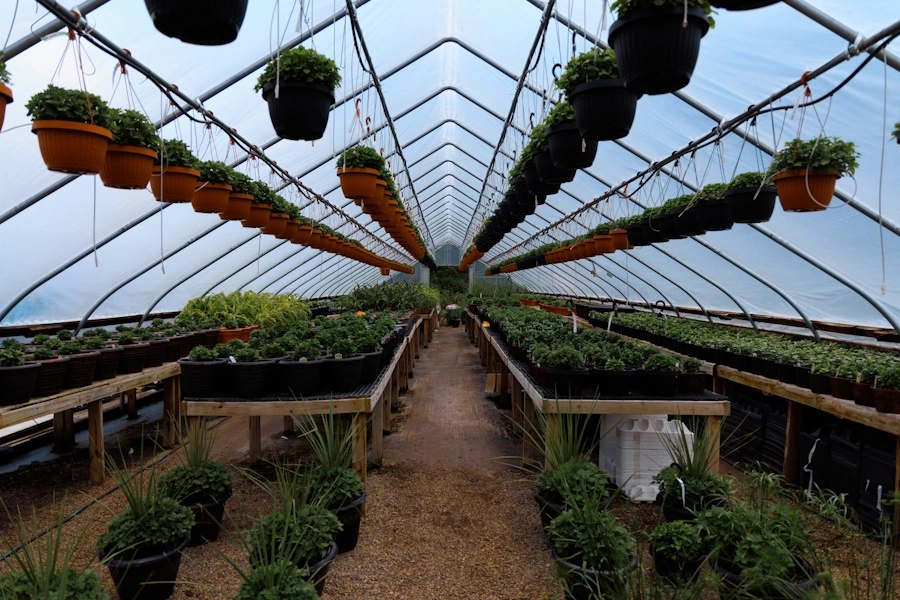
Local Nursery Scene in Hilo
Hilo hosts a robust network of 20 nurseries and garden centers, reflecting the diverse horticultural needs of the Big Island. From high-altitude cloudforest specialists to lowland tropical fruit experts, the local market caters to both residential backyard gardeners and professional landscapers. These suppliers understand the specific demands of Hawaii's climate, where high rainfall and volcanic soils dictate successful planting strategies. Unlike big-box retailers, these nurseries provide plants already acclimated to local humidity, light levels, and pest pressures.
Comparison of Top Nurseries
| Nursery Name | Rating | Specialization | Type |
|---|
| Garden Exchange Ltd | 4.5 | Tropical plants, equipment | Garden Center |
| Paradise Plants Home & Garden | 4.6 | Landscape trees, native plants | Landscape Nursery |
| Kalapana Tropicals | 4.8 | Orchids | Specialty Nursery |
| The Mauna Kea Cloudforest Bioreserve | 5.0 | Conifers, fruit trees | Conservation/Nursery |
| Rudy's Shade Inc | 3.9 | General plants | General Nursery |
| The Rainbow Connection | 5.0 | General plants | General Nursery |
| Plant It Hawaii | 5.0 | Fruit trees | Fruit Tree Nursery |
| Jungle Mist Orchids | 5.0 | Rare orchids | Specialty Nursery |
| Royal Palm Enterprises | 5.0 | General plants | General Nursery |
| Fruit Trees Kakuis | 5.0 | General plants | General Nursery |
Deep Dive into Nurseries
Garden Exchange Ltd serves as a central hub for Hilo, functioning as both a garden center and a mechanical repair shop for power equipment. Their 1964 founding date makes them a staple for long-term residents seeking professional soil amendments and consistent nursery stock.
Paradise Plants Home & Garden balances horticulture with home aesthetics, offering stone statuary alongside landscape trees. Their focus on multi-generational expertise ensures that clients receive tailored advice on palms and native Hawaiian species.
Kalapana Tropicals excels in the propagation of blooming-size orchids for global shipment. Their subscription club and specialized repotting kits make them the premier choice for orchid collectors seeking high-quality, resilient plant material.
The Mauna Kea Cloudforest Bioreserve focuses on high-altitude agricultural success, including Christmas trees and fruit varieties. They serve as a critical link between commercial reforestation goals and public access to ornamental conifers.
Rudy's Shade Inc operates as a general plant nursery, which typically implies a focus on shade-tolerant foliage and bedding plants suited for Hilo's canopy-covered or lush garden environments.
The Rainbow Connection provides a broad inventory of general nursery plants. Such nurseries often act as neighborhood hubs for standard landscape fillers and common tropical shrubs.
Plant It Hawaii specializes in citrus and tropical fruit trees, providing a critical service to home orchardists. Their guidance on tree health and long-term care helps bridge the gap between initial planting and harvest maturity.
Jungle Mist Orchids targets the niche collector market by breeding miniature cymbidiums and rare epiphytes. They are a primary resource for enthusiasts who prioritize botanical diversity and specialized species-specific care.
Royal Palm Enterprises provides general nursery stock. As a generalist nursery, they typically carry a wide array of palm varieties and landscape ornamentals suited for the Hilo climate.
Fruit Trees Kakuis focuses on fruit-bearing specimens. For the local gardener, this means access to cultivars that have been pre-selected for the specific rainfall and soil conditions found in Hilo’s tropical landscape.
Buying Guide for HI Gardeners
- Check Acclimation: Always prioritize plants grown locally. Hawaii nurseries ensure stock is hardened off to local humidity, reducing transplant shock compared to imported big-box items.
- Understand Soil Needs: Hilo soil is often acidic and high in organic matter due to heavy rainfall. Before planting, consult a local garden center about necessary soil amendments like lime or balanced volcanic-friendly fertilizers.
- Native vs. Invasive: Focus on native Hawaiian plants when possible. They generally require fewer pesticides and less water, as they have evolved to thrive in local conditions.
- Inspect for Pests: Examine foliage for signs of pests or disease before finalizing your purchase. Look for healthy, bright root systems if the plant is in a container.
- Plan for Seasonality: While Hilo offers year-round growing, many fruit trees have specific planting windows. Use the expertise of nursery staff to determine the best months for your chosen species.