GrowersFinder

31 Plant Nurseries in Asheville, NC

Showing 31 verified nurseries & garden centers near you

Switch city:
Loading Map...

Top Rated Farms in ASHEVILLE

Roots and Rarities
💬 2 reviews5
maps_search

Roots and Rarities

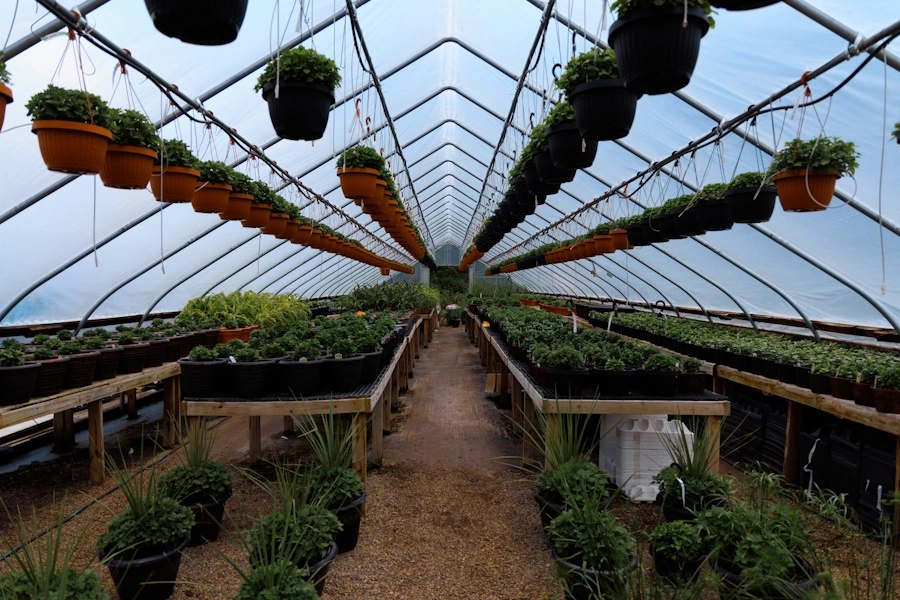
Specialty Greenhouse and Houseplant Nursery. Top products: Rare houseplants, Specialty indoor plants, Potting soil mixes, Plant pottery and ceramics. Roots and Rarities is a specialized greenhouse operation located in West Asheville, North Carolina, with an additional storefront location in Fletcher. The business focuses primarily on the retail of rare and unique houseplants, catering to plant collectors and enthusiasts. Their core operational model revolves around providing high-quality indoor horticultural specimens alongside a dedicated 'Soil Bar' concept, where customers can customize growing substrates or purchase pre-mixed blends. Beyond plant sales, the greenhouse serves as a resource for plant care and horticultural supplies, offering a curated selection of pottery, ceramics, and botanical-themed accessories. The business maintains a strong community-centric mission, actively seeking partnerships with local artists and growers in the Western North Carolina region. Through their consistent greenhouse hours and active event scheduling, Roots and Rarities functions as a specialized retail nursery dedicated to the hobbyist plant market.

📍16, Smith Mill Road, Asheville, North Carolina, 28806, US
Route
Plants for Wildlife
💬 1 reviews5
maps_search

Plants for Wildlife

Native plant distribution network. Top products: Native plants, Display carts of native perennials. Plants for Wildlife is a specialized horticultural distributor focused on increasing the accessibility of native plants for local communities. The business operates as a bridge between regional wholesale nurseries and retail partners, facilitating the placement of mobile display carts stocked with native plant varieties at various local hardware stores, garden centers, and market hubs in the Asheville, North Carolina area. Their operational model prioritizes convenience for retail customers by bringing curated plant selections directly into neighborhood shopping environments. Beyond direct plant distribution, the organization functions as an educational resource, periodically hosting community events led by native plant enthusiasts to promote sustainable landscaping and biodiversity. By partnering with established local businesses like Fifth Season Gardening and Town Hardware, they successfully integrate native horticulture into existing retail landscapes, catering primarily to home gardeners and eco-conscious residents interested in native flora.

📍Peeks Center Lane, Asheville, North Carolina, 28805, US
Route
Saturnia Farm
💬 1 reviews5
maps_search

Saturnia Farm

Native Plant Specialty Nursery. Top products: Perennials, Native Plants, Butterfly Host Plants, Specialty Willows, Native Fruit Trees. Saturnia Farm, located in Weaverville, NC, is a specialized plant nursery dedicated to the cultivation of native and ecological-focused vegetation. The farm is named after the Saturniidae family of giant silk moths, reflecting its primary mission: producing plants that provide essential habitats and survival resources for native pollinators and wildlife. Their diverse inventory includes a curated selection of perennials, native plants, butterfly host species, grasses, sedges, specialty willows, native fruit trees, and various trees and shrubs, alongside cut flowers. The operation prioritizes ecological health, catering to gardeners, conservationists, and landscapers who wish to support local biodiversity through sustainable planting. The nursery operates by appointment only, focusing on providing high-quality plant material specifically chosen for its benefit to local ecosystems and wildlife restoration efforts.

📍114 Ridgeview Rd, Alexander, NC 28701, USA
Route
Tanager Plants LLC
💬 1 reviews5
maps_search

Tanager Plants LLC

Native Appalachian Plant Nursery. Top products: Native grasses, Native forbs, Native vines, Native trees. Tanager Plants LLC, located in Mars Hill, North Carolina, is a specialized horticultural nursery dedicated to the propagation and cultivation of native plants suited for the Southern Appalachian ecoregion. The nursery focuses on ecological restoration and biodiversity, prioritizing the production of plants grown from seed to maintain high genetic diversity and bioregional authenticity. Their offerings include a diverse range of grasses, forbs, vines, and trees designed to support local wildlife, including pollinators such as bees and butterflies, while providing functional landscape solutions like soil stabilization and habitat restoration. The business serves both residential homeowners and those engaged in environmental restoration projects, offering expert guidance on plant selection adapted to the specific environmental conditions of the region. By emphasizing locally-grown native eco-types, Tanager Plants supports the creation of resilient, sustainable landscapes that enhance the natural ecological character of the Appalachian mountains.

📍671, Hickory Drive, Mars Hill, North Carolina, 28754, US
Route
Plants for Wildlife
maps_search

Plants for Wildlife

Native plant distribution network. Top products: Native plants, Display cart assortments. Plants for Wildlife operates as a specialized horticultural supply and distribution network focused on the promotion and retail availability of native plant species. Rather than operating a single brick-and-mortar growing facility, the organization functions as a supply-chain bridge, aggregating native plants from regional nurseries and delivering them to various retail partners via mobile display carts. Their model prioritizes the accessibility of ecologically beneficial flora for homeowners and local gardeners in the Asheville, North Carolina area. By partnering with established garden centers, hardware stores, and urban farm supply shops, they streamline the consumer purchasing process for native vegetation. In addition to their retail distribution activities, the organization serves as an educational resource, occasionally hosting community events and workshops led by volunteer native plant experts to encourage local biodiversity and ecological stewardship.

📍103 W State St, Black Mountain, NC 28711, USA
Route
Plants for Wildlife
maps_search

Plants for Wildlife

Native plant distribution network. Top products: Native perennials, Display carts of plants. Plants for Wildlife operates as a specialized horticultural supply and distribution network focused on increasing the availability of native plant species within the Asheville, North Carolina region. Rather than operating a single traditional nursery location, the organization functions as a bridge between local growers and retail markets. They implement a unique distribution model by placing curated display carts stocked with native perennials at various local hardware stores, garden centers, and independent retailers. Their mission is to facilitate ecological restoration and biodiversity by making native plants easily accessible to home gardeners and the general public. In addition to retail distribution, the organization engages in community outreach by hosting educational events led by volunteer 'Native Plant Aficionados' to educate local residents on the benefits and maintenance of native flora. The business serves as a logistical facilitator for regional horticultural producers, ensuring that native plant inventory is effectively moved from production sites to neighborhood-level points of sale.

📍21, Battery Park Avenue, Asheville, North Carolina, 28801, US
Route
Farm Background Placeholder
S
maps_search

Saturnia Farm

Native and Ecological Specialty Nursery. Top products: Native Perennials, Butterfly Host Plants, Specialty Willows, Native Fruit Trees, Grasses and Sedges. Saturnia Farm is a specialty nursery located in Weaverville, North Carolina, focused on the cultivation of ecologically significant plant species. Named for the Saturniidae family of giant silk moths, the farm's core mission is to provide flora that supports biodiversity, wildlife, and native habitats. Their diverse inventory includes a curated selection of native perennials, butterfly host plants, grasses, sedges, specialty willows, native fruit trees, and various shrubs. By prioritizing plants that are essential to the survival of local pollinators and fauna, the nursery serves as a vital resource for conservation-minded gardeners and ecological restoration projects. The operation functions as a direct-to-consumer plant provider, currently managing its retail sales and nursery access through an appointment-only model to ensure personalized service and focused horticultural consultation for their clients.

📍45 Wilse Silvers Dr
Route

Local Nursery Scene in Asheville

Asheville, North Carolina, hosts a diverse horticultural network of 15 unique suppliers. These operations range from specialized organic garden center outlets to wholesale producers serving the regional landscape industry. For homeowners, this density means access to plants acclimated to the specific microclimates of the Blue Ridge Mountains, where USDA hardiness zones typically range from 6a to 7b. Unlike big-box retailers, these local nurseries emphasize regional success by stocking varieties that withstand the mountain frost dates and typical Appalachian humidity. Whether you seek native perennials for erosion control on a sloped site or organic vegetable starts for a summer garden, the local supply chain offers technical expertise missing from standard home improvement stores.

Comparison of Top Nurseries

Nursery NameRatingSpecializationType
Fifth Season Gardening4.7Organic GardeningGarden Center
Jesse Israel & Sons4.6Full-Service RetailGarden Center
Thyme In the Garden4.8Perennials & DecorGarden Center
Rose's Garden Shop5.0Curated OdditiesSpecialty Nursery
Flat Creek Plant Farm5.0Native ConifersRetail Nursery
Chlorophyll4.8Hardscape & PlantsGarden Center
The Green Room4.9HouseplantsRetail
Henn's Plant Farm4.7Wholesale ShrubsWholesale
Sales Farms & Greenhouses5.0General HorticultureGeneral Nursery
Useful Plants Nursery4.6PermacultureSpecialty Nursery

Deep Dive into Nurseries

  • Fifth Season Gardening: This garden center functions as a hub for organic agriculture, providing soil amendments, compost, and non-GMO vegetable starts. They prioritize the technical side of cultivation through regular workshops on soil health and sustainable pest management.
  • Jesse Israel & Sons Nursery & Garden Center: Operating since 1982 at the Western North Carolina Farmers’ Market, this site offers a massive, varied inventory of trees, shrubs, and perennials. Their one-year guarantee on hardy stock and professional staff make it a primary destination for residential landscape projects.
  • Thyme In the Garden: This retailer focuses on aesthetic landscaping, combining outdoor perennials with artistic garden statuary. They are highly active in the community, hosting hands-on events that bridge the gap between plant retail and garden design.
  • Rose's Garden Shop: Tucked into a historic setting, this shop specializes in rare botanical finds paired with vintage home accessories. They focus on quality over quantity, perfect for gardeners looking for specific, curated species to elevate a home landscape.
  • Flat Creek Plant Farm: Based in Weaverville, this nursery provides essential service for those dealing with mountain slopes and specific climate needs. They offer high-quality conifers and native shrubs specifically selected for regional success during the March-October growing window.
  • Chlorophyll: This Haywood Road location offers a modern approach to the traditional garden center, integrating hardscape materials like specialty pottery with robust houseplant and shrub selections. Their focus on high-quality tools and educational content helps both novice and experienced growers.
  • The Green Room Plant Shop: This business targets the interior horticulturalist, offering curated houseplants, terrariums, and artistic floral designs. They operate as an experiential retail space, providing workshops that help locals build skills in indoor plant maintenance.
  • Henn's Plant Farm: As a wholesale provider, this nursery is geared toward industry professionals rather than the casual hobbyist. Their extensive infrastructure, featuring multiple heated greenhouses, supports regional landscaping firms with high-volume, quality propagation.
  • Sales Farms & Greenhouses: This establishment operates as a general horticultural supplier, offering essential plant materials for the local region. It serves as a reliable retail resource for gardeners seeking foundational nursery stock.
  • Useful Plants Nursery: Focused on permaculture, this nursery provides edible and medicinal trees suited to the Southern Appalachian environment. Their mission-driven approach supports food sovereignty through the sale of resilient crops like pawpaws, figs, and nut trees.

Buying Guide for NC Gardeners

  • Climate Acclimation: Prioritize native species. North Carolina's varied elevation requires plants that can survive specific cold snaps. Local nurseries prioritize these hardier varieties over mass-produced imports.
  • Check Root Health: Before purchasing, gently slide a plant from its pot. White, firm roots indicate a healthy specimen, while brown or mushy roots suggest poor drainage or disease.
  • Seasonal Timing: In Western North Carolina, late spring (post-frost) is vital for annuals and warm-weather crops, while fall is often the best window for planting trees and shrubs to allow root establishment before summer heat.
  • Soil Prep: Don't skip soil amendments. Asheville’s mountainous terrain often features clay-heavy soil. Most local garden centers stock compost and organic amendments tailored to improve drainage and nutrient availability.
  • Support Local Growers: By buying from smaller operations, you get plants that haven't spent days on a shipping pallet. Local nursery staff know the pests and soil challenges of the immediate Asheville area, offering guidance you won't find on a plant tag.

Frequently Asked Questions

Q: What is the best time to plant in the Asheville area?

A: In Asheville, fall is generally the best time for planting trees, shrubs, and perennials. The cooling soil temperatures and increased rainfall allow roots to establish before winter. For annuals and vegetable starts, wait until the danger of frost has passed, which typically occurs in mid-to-late April depending on your specific elevation.

Q: Why should I choose native plants for my Asheville garden?

A: Native plants are evolutionarily adapted to the regional climate and soil conditions of Western North Carolina. They require less supplemental water, minimal fertilizer, and fewer pesticides once established. Additionally, they provide essential resources for local pollinators and wildlife that depend on specific regional flora for survival.

Q: How do I amend Asheville's heavy clay soil?

A: To improve heavy clay soil, incorporate large amounts of organic matter, such as high-quality compost or leaf mold, into the top 6 to 12 inches of your soil. This increases pore space, improves aeration, and encourages better drainage, which is crucial for root health in North Carolina's dense clay environments.

Q: What is the difference between a garden center and a nursery?

A: A nursery typically focuses on the cultivation and propagation of plant material, often growing inventory on-site. A garden center is a retail hub that stocks a variety of plants—often sourced from multiple nurseries—alongside hard goods like pots, tools, soil, and fertilizers, serving as a comprehensive one-stop-shop for all gardening needs.

Q: How do I know which USDA hardiness zone my property falls into?

A: Asheville's topography causes significant variation in hardiness zones, typically ranging from 6a to 7b based on elevation and slope. You can determine your specific zone by looking up your zip code on the USDA Plant Hardiness Zone Map, though local nursery experts often offer the most accurate site-specific advice.