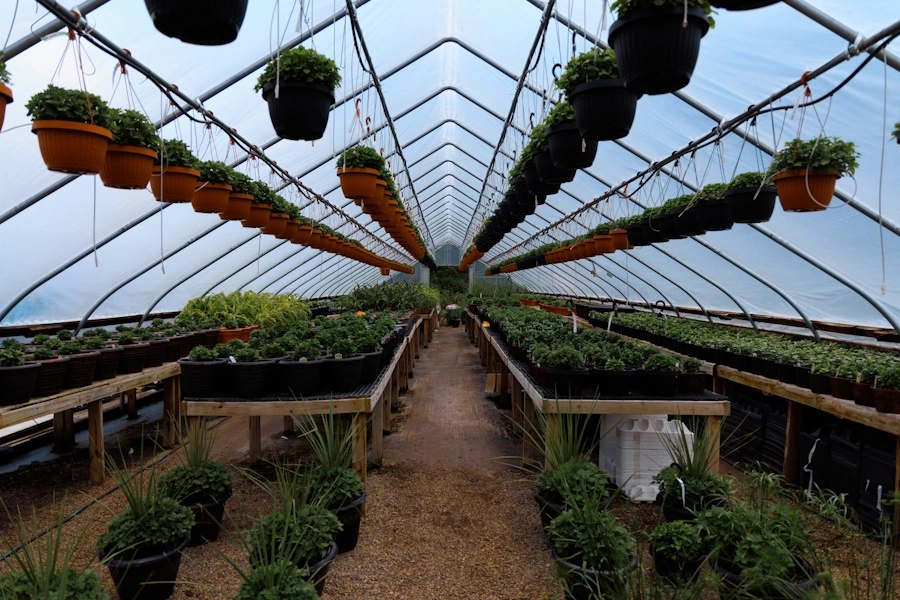
Local Nursery Scene in Raleigh
Raleigh hosts a robust horticultural ecosystem with 27 documented nurseries and garden centers. The region sits primarily in USDA Hardiness Zone 7b and 8a, creating a unique climate where transition-season planting is critical. Success depends on selecting plants that tolerate hot, humid summers and occasional winter freezes. Local garden centers often curate stock to match these specific thermal tolerances, which is a major advantage over big-box retailers that source inventory from broad, national distributors.
Comparison of Top Nurseries
| Nursery Name | Rating | Specialization | Type |
|---|
| Colonial Farms | 4.6 | Perennials/Native Missouri plants | Garden Center |
| Logan's Garden Shop | 4.6 | Annuals/Flowering trees | Garden Center |
| Homewood Nursery | 4.7 | Shade trees/Tropicals | Garden Center |
| Atlantic Gardening | 4.5 | Houseplants/Decor | Garden Center |
| Fairview Garden Center | 4.7 | Ornamental trees/Shrubs | Garden Center |
| Copperline Plant Co | 4.9 | Urban Houseplants | Nursery |
| Plant Delights Nursery | 4.2 | Rare/Native Perennials | Nursery |
| Campbell Road Nursery | 4.8 | Tropicals/Water plants | Garden Center |
| Norwood Gardens | 4.3 | Trees/Annuals | Garden Center |
| Fifth Season Gardening | 4.7 | Organic vegetables/Soil | Garden Center |
Deep Dive into Nurseries
- Colonial Farms: Operates as a premier hub for perennials and native species. Their focus on regional climate suitability makes them a go-to for gardeners seeking plants that survive unpredictable seasonal shifts.
- Logan's Garden Shop: This multi-generational family business balances retail variety with community education. They serve everyone from backyard hobbyists to professional landscapers across the Research Triangle.
- Homewood Nursery & Garden Center: Spanning four acres, this site functions as a major educational resource for plant science. They combine a massive inventory of trees and shrubs with specialized container garden design services.
- Atlantic Gardening: A hybrid retail and social space that mixes houseplant sales with experiential amenities. Their on-site Garden Bar and workshops prioritize a community-driven shopping experience.
- Fairview Garden Center: With 18 acres and significant greenhouse production, they prioritize on-site cultivation. This ensures their ornamental trees and perennials are already acclimated to the Raleigh-Holly Springs climate before purchase.
- Copperline Plant Company: A niche urban nursery focused entirely on indoor foliage. They provide a refined selection of houseplants and mystery plant bags, aimed at aesthetic interior curation.
- Plant Delights Nursery, Inc.: Founded by Tony Avent, this operation is a beacon for rare perennial conservation. They bridge the gap between commercial sales and scientific botanical research, offering over 1,500 garden-tested cultivars.
- Campbell Road Nursery: A long-standing family-owned shop emphasizing water plants and tropicals. They provide essential guidance on soil moisture and irrigation, which is vital for maintaining high-maintenance species in the local humidity.
- Norwood Gardens: Beyond a traditional retail center, they integrate lifestyle elements like an on-site café and music. They offer comprehensive landscape design and installation to simplify project execution for homeowners.
- Fifth Season Gardening: Dedicated to organic gardening, they specialize in high-quality soil amendments and vegetable starts. Their mission focuses on long-term soil health and organic pest management for home food gardens.
Buying Guide for NC Gardeners
- Climate Acclimation: Always source plants from local growers. Stock raised in greenhouses hundreds of miles away often experiences significant transplant shock when moved into North Carolina’s specific clay-heavy soils or summer heat.
- Soil Prep: Raleigh’s native soil is notoriously heavy in red clay. Before planting, utilize organic composts and amendments—such as those emphasized at Fifth Season—to improve drainage and root aeration.
- Plant Health Indicators: Check foliage for signs of pests like aphids or scale. Ensure root systems are not 'pot-bound' (circling the container tightly) and that the soil has a neutral, healthy aroma rather than a sour, anaerobic smell.
- Native Species Priority: Integrate native perennials and shrubs. These plants have evolved to handle local rainfall patterns and heat, significantly reducing the need for supplemental irrigation once established.
- Seasonal Timing: In North Carolina, the ideal planting window is the autumn months. Soil temperatures remain warm enough for root development while cooler air reduces moisture loss from leaf tissue, helping specimens establish before the peak summer heat.