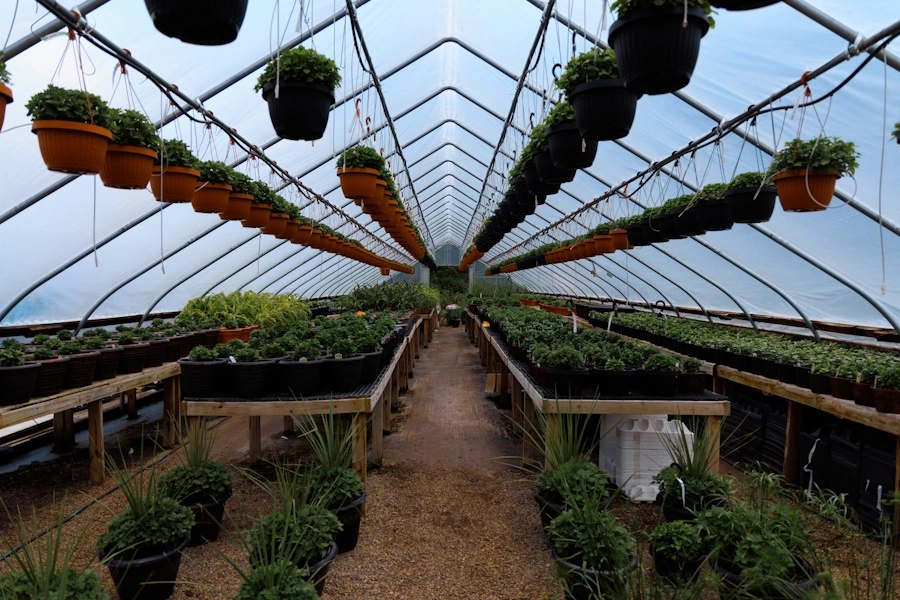
Local Nursery Scene in Salisbury
Salisbury, North Carolina, supports a diverse horticultural infrastructure characterized by seven primary suppliers. These range from broad-spectrum retail garden centers that stock everything from vegetable starts to landscaping tools, to highly specialized greenhouse operations focused on specific cultivars like Japanese maples. Local gardeners benefit from this variety because it connects them directly to growers who understand the specific requirements of Piedmont gardening. Climate considerations remain paramount here, as Salisbury falls within USDA hardiness zones 7b or 8a. Successful plant establishment depends on selecting species that tolerate mid-summer heat and humidity while remaining resilient through the fluctuating freeze-thaw cycles of a North Carolina winter.
Comparison of Top Nurseries
| Nursery Name | Rating | Specialization | Type |
|---|
| Godley's Garden Center & Nursery Inc | 4.7 | Perennials and Turf | Retail Garden Center |
| Garden Greenhouses | 4.7 | Native and Edible Plants | Retail Garden Center |
| Myers Brothers Gin Inc | 4.5 | General Horticulture | Plant Nursery |
| Rockwell Farms | 4.3 | Commercial Flowering Annuals | Commercial Greenhouse |
| John Weddington Greenhouses | 5.0 | Wholesale Horticulture | Wholesale Nursery |
| Graham Tree Nurseries, LLC | 3.9 | Trees and Shrubs | Plant Nursery |
| Grove Creek Maple Farm | 5.0 | Japanese Maples | Specialty Nursery |
Deep Dive into Nurseries
- Godley's Garden Center & Nursery Inc: This establishment operates as a full-service hub on Statesville Boulevard. They combine retail product sales with on-site landscaping services like tree trimming and lawn maintenance.
- Garden Greenhouses: Operating since 1964, this family-owned center focuses on ornamental, edible, and native plant varieties. They distinguish themselves by offering reservation-based educational classes on topics like garden design and soil improvement.
- Myers Brothers Gin Inc: As a general nursery, this site serves as a foundational resource for local plant procurement. Buyers should expect a standard inventory of regional plant materials suitable for residential landscaping.
- Rockwell Farms: This massive 36-acre facility functions primarily as a commercial grower. Their automated production cycle focuses on high-volume flowering annuals and seasonal staples like poinsettias, primarily serving regional retail supply chains.
- John Weddington Greenhouses: This location operates strictly as a wholesale nursery. Buyers here are typically landscape professionals or retail business owners purchasing in bulk rather than individual gardeners looking for single plants.
- Graham Tree Nurseries, LLC: As a general tree nursery, this business specializes in the production of woody landscape materials. Such nurseries are essential for homeowners seeking large-specimen trees that are already acclimated to the local soil.
- Grove Creek Maple Farm: Located in China Grove, this specialty operation focuses exclusively on rare Japanese maple cultivars. Robbie Beam manages the nursery by appointment, providing technical guidance on planting and maintenance for these delicate specimens.
Buying Guide for NC Gardeners
Gardening in North Carolina demands attention to the local environment to ensure long-term success. Buying from local growers offers a significant advantage over big-box retailers because the plants are often raised in regional conditions, resulting in less transplant shock.
- Check for Local Acclimation: Seek plants propagated in local climate conditions. These specimens are already adapted to North Carolina humidity levels and local rainfall patterns.
- Soil Preparation: Most NC soil is heavy clay. Incorporate organic matter like compost or aged mulch—which you can source from local centers like Godley's—to improve drainage and nutrient profile before planting.
- Native Species Prioritization: Native plants are naturally resistant to regional pests and require less supplemental irrigation once established. Native pollinator plants, such as milkweed, are particularly important for the local ecosystem.
- Inspection Before Purchase: Examine root systems for signs of being root-bound. Check leaf undersides for pests and ensure the foliage displays consistent color without yellowing or spots.
- Seasonal Timing: Fall is often the best time to plant trees and shrubs in North Carolina. The cooling air temperatures allow roots to establish before the stress of the summer heat returns.