
 S
S💬 6 reviews⭐ 4.7
maps_search
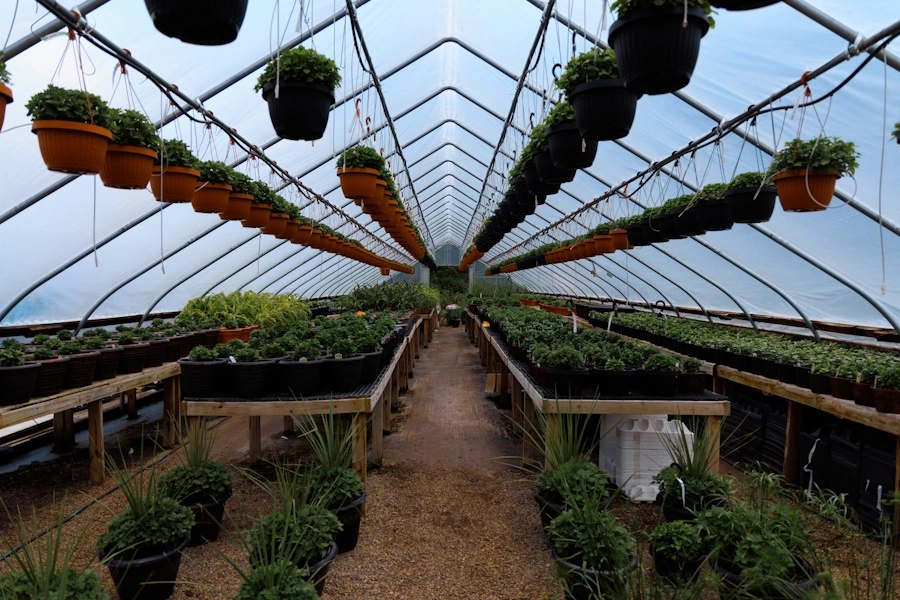
Second Nature Greenhouse
📍410, South State Avenue, Dickinson, North Dakota, 58601, US
No website listed
Showing 1 verified nurseries & garden centers near you
SGardening in Dickinson requires patience and a solid understanding of North Dakota's unique environment. The local nursery scene supports both novice and experienced gardeners by providing essential resources for the region's short but productive growing season. A reliable garden center helps residents navigate the challenges of high winds, variable rainfall, and temperature extremes, ensuring that every purchase has a fighting chance to thrive in the landscape.
Finding the right garden center is the first step toward a successful growing season. Below are the current nursery options in Dickinson:
| Name | Rating | Specialization |
|---|---|---|
| Second Nature Greenhouse | 4.7 | General plant nursery |
Gardening in USDA Zone 4 requires plants that can handle harsh winters and rapid temperature shifts. Big-box store inventory is often sourced from warmer climates, meaning these plants may lack the cold-hardiness necessary for survival in western North Dakota. Local nurseries and growers focus on acclimated stock, meaning their plants are better prepared for local soil types and the specific frost dates of Dickinson. Purchasing from a local nursery also provides you with access to staff who understand the specific challenges of your zip code, offering advice that generic growing instructions often omit.
The growing season in Dickinson is relatively condensed, typically running from late May through early September. Focus your energy on short-season vegetables and perennials that survive the deep freeze. For trees and shrubs, opt for native species like the Chokecherry or Buffaloberry, which naturally handle the local drought conditions and wind. If you are starting a garden, begin with soil amendments to improve drainage. Use mulch liberally to retain moisture during the drier summer months. Always wait until the danger of hard frost has passed, usually after the third week of May, before moving sensitive nursery plants into the ground.
A: In Dickinson, you should wait until the danger of frost has passed before planting annuals or vegetables. Typically, the safe window begins in late May. For perennials, trees, and shrubs, you can plant later in the season, provided you give them enough time to establish their root systems before the ground freezes in autumn. Always monitor local weather reports for late-season frost warnings.
A: Local nurseries in North Dakota offer stock that is specifically acclimated to our challenging climate and short growing season. Plants sold at local garden centers are often better hardened for the cold, wind, and local soil conditions found in Dickinson. By shopping locally, you also gain access to expert advice from growers who understand how to handle North Dakota's unique horticultural challenges.
A: Yes, native species are excellent choices for North Dakota gardens because they have evolved to survive our specific climate conditions. Look for plants that thrive in USDA Zone 4, such as Serviceberry, Chokecherry, and various hardy perennials. These plants are generally more drought-tolerant and better equipped to withstand the high winds and extreme temperature fluctuations common in the Dickinson area compared to non-native, greenhouse-sensitive varieties.
A: Success begins with selecting plants rated for USDA Zone 4 or lower, which indicates they are cold-hardy enough for our winters. Prepare your plants by watering them thoroughly before the first deep freeze, as well-hydrated soil provides better insulation for roots. Applying a thick layer of mulch around the base of trees and shrubs also helps protect roots from the extreme temperature drops we experience during the winter months.