The Nursery & Garden Center Market in North Dakota
North Dakota maintains a specialized nursery and garden center market dictated by its harsh continental climate. With 14 verified nurseries serving the state, the industry is concentrated in urban hubs that provide the necessary infrastructure to manage short growing seasons and volatile temperature swings. These businesses are not just retailers; they act as botanical laboratories. They bridge the gap between imported nursery stock and the aggressive survival requirements of the Northern Plains. Consumers rely on these localized sources to find cultivars that have been tested against extreme cold and wind exposure. While the number of verified nurseries is modest, the high ratings of establishments like Handy Andy’s Nursery and Bloomfield Garden Center indicate a market that prioritizes quality and customer success over high-volume box-store convenience. By focusing on site-specific horticultural success, these centers ensure that local landscapes survive the severe annual transitions between winter dormancy and summer productivity.
Top Cities for Nurseries & Garden Centers
The distribution of nurseries and garden centers in North Dakota follows the state's population density and economic centers. Bismarck acts as the primary hub with six verified nurseries, followed closely by West Fargo and Fargo. This concentration is no accident. These cities provide the necessary customer base to support labor-intensive operations like greenhouses and field-grown stock maintenance. Bismarck, being the capital and a central administrative hub, benefits from a more robust demand for both commercial landscaping and private residential gardening. Similarly, the Fargo-West Fargo corridor functions as the state's agricultural and economic engine, allowing nurseries like SheyWest and Baker Garden & Gift to thrive by providing a consistent supply of hard-to-find perennials and hardy shrubs. Other cities such as Minot and Grand Forks maintain steady nursery operations to support their local agricultural economies, while the presence of a single nursery in places like Williston and Dickinson highlights the niche demand in the western, more rugged regions of the state.
North Dakota Climate & Plant Selection
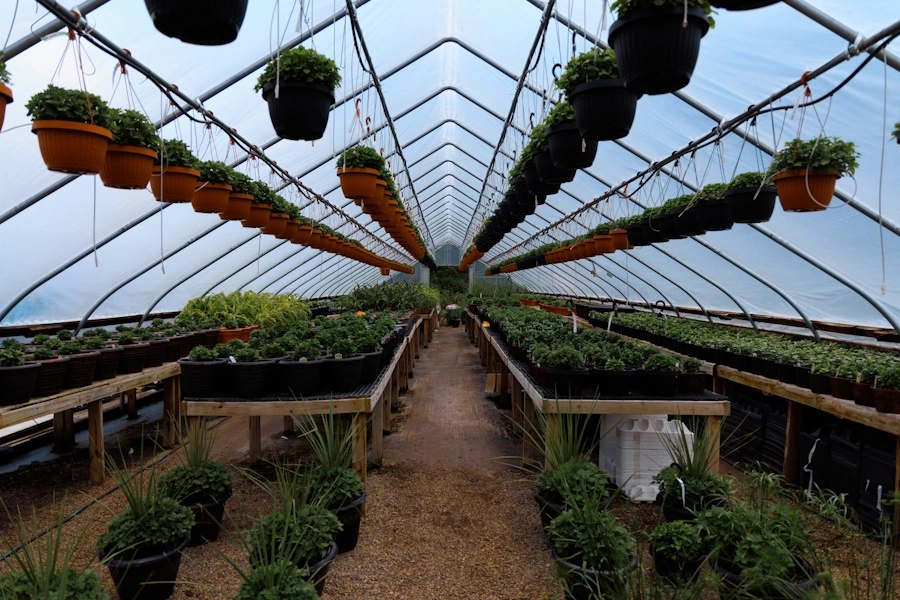
North Dakota falls primarily into USDA Hardiness Zones 3 and 4, creating an environment defined by cold-hardy necessity. The growing season is famously short, usually running from late May to early September. This forces garden centers to adopt specific operational strategies. Nurseries here prioritize species that can withstand extreme temperature fluctuations, often exceeding 100 degrees in summer and dipping well below -30 degrees in winter. Soil composition in the state ranges from heavy, nutrient-rich clays in the Red River Valley to coarser, lighter soils in the west. These conditions dictate the local nursery inventory. You will find a high emphasis on native species like Bur Oak, Chokecherry, and various prairie grasses that have evolved to manage lower moisture levels. Rainfall is often scarce, particularly in the west, leading nurseries to specialize in drought-tolerant cultivars and Xeriscaping solutions. Garden centers must account for the relentless winds of the Great Plains, stocking windbreak species like Colorado Spruce or Ponderosa Pine, which are essential for property protection. Growers often utilize controlled greenhouse environments to start annuals and vegetables well before the final frost, ensuring that stock is ready for the narrow window of opportunity that characterizes the North Dakota planting season.
Sourcing Plants Locally in ND
Choosing a local nursery is the most effective way to guarantee plant survival in North Dakota. Use the following criteria to evaluate your options:
- Check for Local Acclimatization: Prioritize nurseries like Wentz Trees or Cashman Nursery & Landscaping that focus on field-grown stock hardened to the local climate.
- Consult on Native Species: Look for staff who can provide advice on regional native plants, as these require less supplemental irrigation and chemical intervention.
- Evaluate Greenhouse Capabilities: Ensure the garden center has the capability to harden off plants before sale, which reduces transplant shock for your garden.
- Inquire About Soil Compatibility: Ask for specific amendments recommended for your city’s soil type, particularly if you are in the high-clay areas of the east or the arid zones of the west.
- Leverage Regional Expertise: Use the high ratings of local fixtures like TC Nursery or Green Thumb Greenhouse to your advantage by requesting site-specific landscape design consultations.