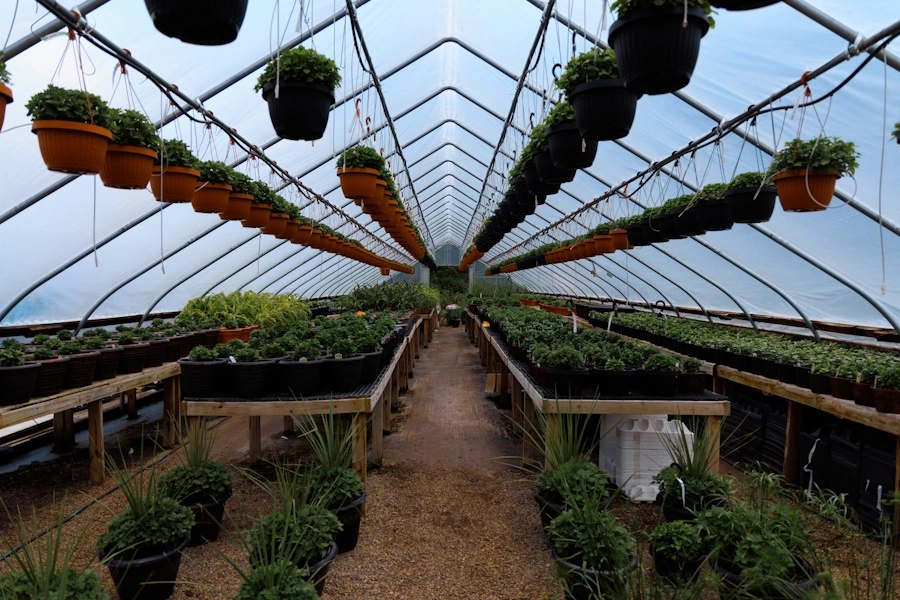
Local Nursery Scene in Brighton
Brighton and the surrounding Rochester area host a robust network of horticultural suppliers. Our analysis identified six primary nurseries and garden centers that serve the diverse needs of regional property owners. These businesses range from massive, full-service operations covering over five acres to specialized boutiques focusing exclusively on native forest ecology or indoor greenery. Local gardening in this part of New York requires an understanding of regional climate realities, specifically USDA Zone 6. Seasonal fluctuations and heavy winter snowpacks dictate that successful landscapes prioritize hardy perennials and native species capable of surviving freezing temperatures and variable spring thaw cycles.
Comparison of Top Nurseries
| Nursery Name | Rating | Specialization | Type |
|---|
| Garden Factory Inc | 4.6 | Perennials & Hardscape | Full-service Retail Garden Center |
| Bauman's Farm Market & Greenhouses | 4.7 | Seasonal Produce & Ornamentals | Seasonal Garden Center and Nursery |
| CountryMax - Henrietta | 4.3 | Lawn, Garden & Pet Supplies | General Garden and Pet Supply |
| Bundschuh's Green Houses | 4.6 | Custom Planters & Shrubbery | Retail nursery and greenhouse |
| Home Plants | 5.0 | Indoor Houseplants | Indoor Houseplant Retailer |
| Amma's Forest Gardens | N/A | Native Edible Trees | Native Edible Tree Nursery |
Deep Dive into Nurseries
Garden Factory Inc acts as a dominant force in the Rochester market. Their 5.2-acre footprint allows them to stock everything from bulk soil and mulch to mature perennials for year-round landscape development.
Bauman's Farm Market & Greenhouses excels by merging agricultural production with traditional retail. Their seasonal integration of U-Pick produce and greenhouse annuals makes them a frequent destination for families interested in both edible gardening and ornamental curb appeal.
CountryMax - Henrietta functions primarily as a convenient resource for general garden maintenance. It is the go-to location for homeowners needing pest control, bird feed, or standard fertilizers rather than high-end botanical specimens.
Bundschuh's Green Houses provides a personalized, boutique experience. They focus on custom planter design and high-quality shrubbery, making them an excellent choice for those seeking professional advice on landscape aesthetics.
Home Plants shifts the focus away from the backyard and into the living room. By offering air-purifying foliage and easy-care succulents, they serve a specific segment of urban and apartment-dwelling residents who prioritize indoor environmental quality.
Amma's Forest Gardens operates as a specialized nursery for native plant restoration. Since they lack a traditional consumer rating, local buyers should view them as a technical resource for permaculture; their focus on native fruit-bearing trees like Pawpaws and American Persimmons is ideal for land managers looking to increase biodiversity rather than just aesthetic ornamentation.
Buying Guide for NY Gardeners
- Climate Acclimation: Always source plants from growers who propagate in New York. Local nurseries raise plants that are already hardened to local sunlight hours and temperature shifts, unlike big-box retailers that often ship stock from southern states, which frequently fail once they hit a New York winter.
- Soil Amendments: New York soil often requires heavy organic amendments. If you are starting a new garden bed, invest in high-quality compost and organic mulch from local suppliers like Garden Factory Inc to improve drainage and moisture retention during dry summer spells.
- Native Species Benefits: Opt for native trees and shrubs from nurseries like Amma's Forest Gardens. Native plants require significantly less chemical intervention, water, and pruning compared to exotic cultivars. They are also vital for local pollinators, which are essential for the health of regional vegetable gardens.
- Inspection Protocols: Before purchasing, inspect foliage for signs of pests or fungal spotting. Healthy plants should have firm root systems—if a plant is pot-bound with circling roots, it will struggle to establish in the native New York soil.
- Timing is Everything: While spring is the standard planting season in New York, many trees and shrubs actually establish better in the cooler, moist days of early autumn. This allows root systems to develop without the stress of summer heat.