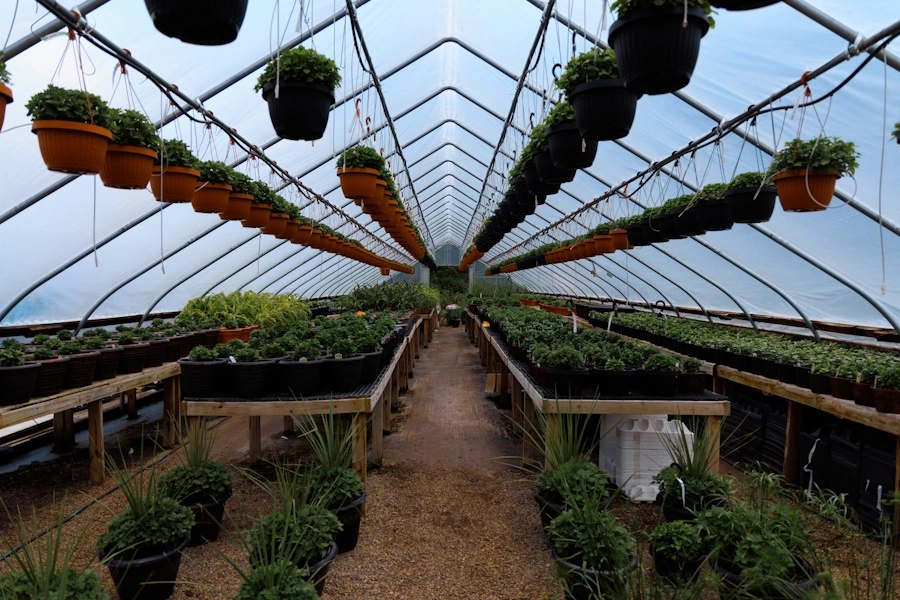
Local Nursery Scene in Hanover
Hanover, Pennsylvania, hosts a diverse horticultural network ranging from specialized native plant cultivators to seasonal retail outlets. These five primary nurseries provide the necessary foundation for regional landscaping, catering to homeowners, commercial property managers, and reforestation projects. The area benefits from a climate typically categorized under USDA hardiness zones 6b and 7a. This specific range demands plant stock that can handle fluctuating humidity levels and distinct seasonal transitions, making the proximity of local growers essential for long-term plant survival.
Comparison of Top Nurseries
| Nursery Name | Rating | Specialization | Type |
|---|
| Native Plant Company | 5.0 | Native Trees and Shrubs | Maps Search |
| G.Brother's Nursery | 4.9 | General Horticulture | Maps Search |
| Hanover Nursery | 3.8 | Landscape Design and Soil | Maps Search |
| Roundtop Acres | 4.7 | General Horticulture | Maps Search |
| Second Chance Plants | 4.3 | Seasonal Retail | Maps Search |
Deep Dive into Nurseries
Native Plant Company centers its operation on ecological restoration, offering a curated selection of North American trees like White Oak and Spicebush. Their direct-to-consumer model includes free shipping and a lifetime guarantee, prioritizing high-quality stock for wildlife support.
G.Brother's Nursery functions as a foundational general plant nursery in the Hanover area, providing a standard range of horticultural goods. Their high review rating reflects consistent service for local gardeners seeking traditional plant varieties.
Hanover Nursery has served the region since 1958, acting as a crucial provider of custom topsoil blends and professional landscaping services. They bridge the gap between commercial construction and home gardening, offering everything from ornamental indoor plantscapes to bulk soil delivery.
Roundtop Acres maintains a strong reputation as a general plant nursery, providing essential services to Hanover residents. Their presence ensures that gardeners have access to reliable plant materials required for the region’s soil profile.
Second Chance Plants utilizes a pop-up garden center model to provide affordable, high-quality plant stock, including annuals, vegetables, and potting soil. By sourcing directly from local growers and eliminating retail overhead, they offer a budget-friendly entry point for both beginner and experienced gardeners.
Buying Guide for PA Gardeners
- Prioritize Native Species: Choosing plants like Spicebush or White Oak ensures better adaptation to Pennsylvania’s climate and requires less chemical intervention or excessive watering once established.
- Check Root Health: Before purchase, inspect the root ball. Avoid plants that are root-bound or show signs of stress in the foliage, as these will struggle to acclimate after transplanting into your garden.
- Analyze Local Soil: Pennsylvania gardeners should test for soil pH. If your site has dense clay, use high-quality organic amendments or engineered soil blends like those provided by specialized landscaping suppliers before planting.
- Understand Hardiness Zones: Hanover falls into a zone that experiences freeze-thaw cycles. Always aim for plants rated for zone 6 or lower to ensure winter hardiness.
- Support Local Growers: Plants grown in local nurseries are already acclimated to the regional photoperiod and temperature fluctuations. This reduces transplant shock compared to shipping stock from vastly different climates.
- Plan Your Season: Early spring and early autumn are optimal for planting trees and shrubs in PA. This timing allows roots to establish during cooler, moisture-rich months before the intensity of summer or the dormancy of winter.
Choosing between a specialized nursery and a general garden center depends on the scope of your project. If you are focused on habitat restoration, a native specialist is non-negotiable. For a quick refresh of annuals or seasonal herbs, a pop-up garden center often offers the best value. Regardless of where you shop, prioritize native-adjacent varieties and ensure your soil amendments match the specific needs of your chosen vegetation. Investing in high-quality materials from established local sources like those in Hanover will yield more resilient, long-lasting landscapes.