

💬 148 reviews⭐ 4.8
maps_search
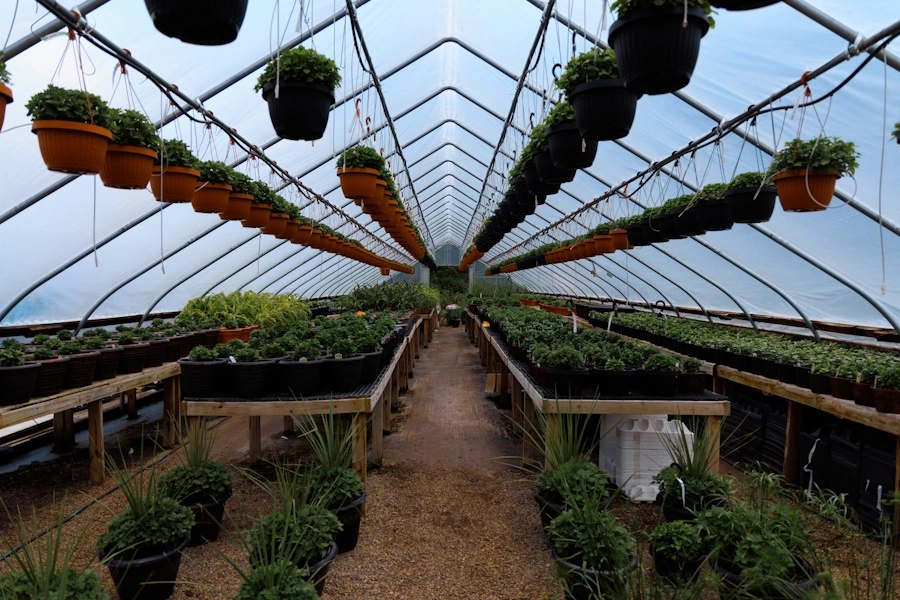
Frank's Flowers & Greenhouses
📍1209, Wayne Avenue, White Township, Pennsylvania, 15701, US
No website listed
Showing 5 verified nurseries & garden centers near you


 BJ
BJWhite Township, Pennsylvania, currently hosts five primary suppliers for those seeking landscaping materials and plant stock. These establishments serve as the backbone for local gardeners, offering everything from bedding plants to structural shrubs. Because Pennsylvania experiences varied weather—ranging from humid summers to cold, potentially sub-zero winters—sourcing materials locally is a strategic advantage. Native species found in these nurseries are biologically pre-adapted to regional soil compositions and the specific Pennsylvania frost dates. Buying local ensures that the plant has not suffered from long-distance transport stress or temperature shocks during shipping.
| Nursery Name | Rating | Specialization | Type |
|---|---|---|---|
| Frank's Flowers & Greenhouses | 4.8 | General plant nursery | maps_search |
| Faught's Garden Center | 4.9 | General plant nursery | maps_search |
| Burkett's Nursery & Greenhouse | 4.9 | General plant nursery | maps_search |
| Barry's Ground Cover | 4.5 | General plant nursery | maps_search |
| Johnston's Nursery | 4.5 | General plant nursery | maps_search |
Frank's Flowers & Greenhouses stands out as the most frequented location in the area, boasting 148 reviews. Its high rating reflects a reliable inventory for local gardeners looking for consistency in their perennial and annual selections.
Faught's Garden Center maintains an impressive 4.9-star rating. With 26 reviews, this garden center is a strong contender for those requiring expert advice on specific local planting needs.
Burkett's Nursery & Greenhouse is equally highly regarded with a 4.9 rating. Their smaller review count of 19 suggests a boutique experience, likely focused on personalized service and attentive plant care.
Barry's Ground Cover, while having fewer public reviews, provides a specific niche. Gardeners often seek out these smaller nurseries for specialized coverage plants that might be unavailable at larger retail-focused garden centers.
Johnston's Nursery rounds out the top five with a solid 4.5 rating. This nursery remains a staple for those in White Township who prefer a traditional, local supply chain for their residential landscaping projects.
The transition between winter and spring in Pennsylvania is notoriously unpredictable. Frost can occur well into May. Buying from a local nursery allows you to gauge the actual readiness of the plants; they will likely only sell items that are safe to be in the ground based on current, real-time temperatures. Investing in quality soil amendments from these local suppliers, such as organic compost, will pay dividends, as Pennsylvania clay soils often require aeration to prevent root rot in drainage-sensitive plants. By supporting these five nurseries, residents ensure the viability of the local agricultural ecosystem.
A: USDA hardiness zones identify the minimum winter temperatures a plant can tolerate. In Pennsylvania, choosing plants rated for your specific zone prevents winter mortality. If you select a plant meant for a warmer climate, it will likely perish during the freezing winter months, resulting in a wasted investment.
A: Local nurseries in White Township typically source plants from regional growers acclimated to Pennsylvania's climate. In contrast, big-box stores often stock inventory shipped from different geographic zones, which may not be hardened off for local soil conditions or sudden spring temperature fluctuations, leading to higher failure rates.
A: The ideal planting windows are early spring, once the threat of heavy frost has passed, and early autumn. Fall planting is particularly beneficial as the soil remains warm, encouraging root growth, while the air temperature is cooler, reducing plant transpiration and stress.
A: Native plants are evolutionarily adapted to Pennsylvania’s climate, rainfall patterns, and soil types. They generally require fewer pesticides, less supplemental fertilizer, and less water once established compared to exotic ornamentals. Furthermore, they provide essential habitats for local pollinators and wildlife that depend on specific native flora.
A: Always inspect the foliage for spots, webbing, or signs of insects. Check the root ball; healthy roots should be firm and white. Avoid plants that are root-bound, where roots are circling tightly, as these may struggle to establish in the ground. Additionally, ensure the plant shows active, new growth rather than wilted or yellowing leaves.