The Rise of Urban Farming in Calabasas
Calabasas is increasingly becoming a hub for sustainable, high-efficiency agriculture. As residents prioritize food security and nutrient density, the shift toward indoor and vertical farming has gained momentum. By moving production into controlled indoor environments, growers can circumvent the unpredictability of California's coastal and inland climate fluctuations, ensuring a consistent, year-round supply of high-quality produce.
Current Local Growers
The local agricultural landscape is supported by dedicated growers who utilize sustainable practices to serve the community. Below is a summary of current producers:
| Farm Name | Specialties | Model |
|---|
| Yossi's Farm | Microgreens, seasonal fruits, honey | Sustainable indoor/grow-to-order |
Why Buy Locally Grown in CA?
Calabasas residents benefit significantly from sourcing produce locally. Traditional supermarket supply chains often involve long-distance transit, which leads to nutrient degradation and loss of flavor. Indoor farming allows producers to harvest greens at their peak nutritional stage. Furthermore, the 'grow-to-order' model—favored by local farms—ensures that the product is delivered living, preserving its enzyme content and texture until the exact moment of service. This model is particularly advantageous for professional chefs and home cooks looking to minimize food waste while maximizing plate aesthetics and flavor.
Popular Varieties & Culinary Uses
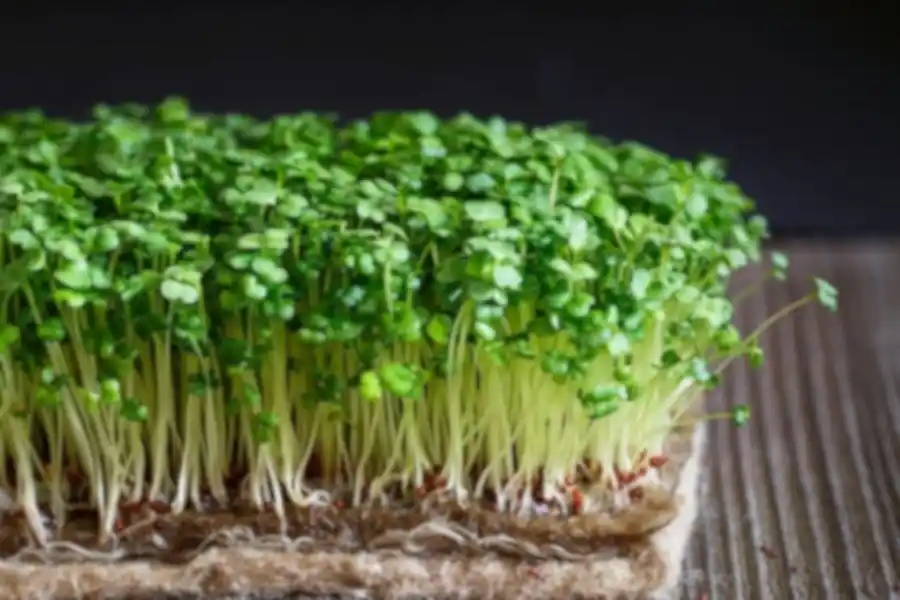
Microgreens are more than just a garnish; they are nutrient-dense powerhouses. Here are three popular varieties and how to utilize them:
- Radish: Known for its spicy, peppery kick. Use these to add a sharp contrast to avocado toast, tacos, or savory egg dishes.
- Pea Shoots: These offer a sweet, crisp flavor reminiscent of garden peas. They are excellent in salads, stir-fries, or as a crunchy topping for soups.
- Sunflower: A mild, nutty favorite with a satisfying crunch. These are versatile enough for sandwiches, wraps, or as a base for a nutritious green salad.

 Y
Y