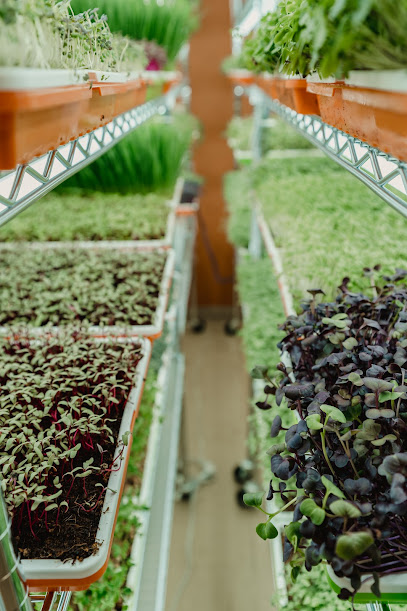
The Rise of Urban Farming in Grand Junction
Grand Junction is seeing a transition toward controlled-environment agriculture to meet the demand for high-quality, nutrient-dense produce. Urban farming, specifically indoor vertical farming, allows growers to produce crops year-round regardless of exterior conditions. By utilizing vertical space, growers minimize land use while maximizing output, providing the community with a consistent supply of fresh greens that do not require long-distance transportation.
Current Local Growers
The following table lists notable operations currently contributing to the regional agricultural ecosystem in Grand Junction.
| Farm Name | Specialty | Production Method |
|---|
| Grand Valley Micro Farms | Microgreens | Indoor Vertical/Organic Soil/Coconut Coir |
Why Buy Locally Grown in CO?
Colorado's climate presents challenges for traditional outdoor agriculture, including high-altitude UV intensity, unpredictable frost dates, and limited water resources. Indoor vertical farming mitigates these issues by providing a stable, regulated environment. Local growers, such as Grand Valley Micro Farms, utilize advanced filtration and closed-loop systems to ensure water efficiency. Purchasing locally grown microgreens significantly reduces the carbon footprint associated with shipping produce from coastal regions and ensures that greens arrive at the peak of their nutritional content, often within 24 hours of harvest.
Popular Varieties & Culinary Uses
Microgreens are the young seedlings of vegetables and herbs, typically harvested shortly after the first true leaves have developed. They are prized for their intense flavor and high concentration of vitamins.
- Radish: Known for a spicy, peppery kick. Use them to top tacos, avocado toast, or hearty soups.
- Pea Shoots: These offer a sweet, crunchy flavor similar to garden peas. They are excellent in stir-fries, salads, or as a garnish for protein-heavy dishes.
- Sunflower: A mild, nutty flavor with a substantial texture. These are versatile enough to serve as a base for salads or to add crunch to sandwiches.
To maintain freshness, store microgreens in a sealed container in the refrigerator and consume them raw to retain their full nutritional profile.