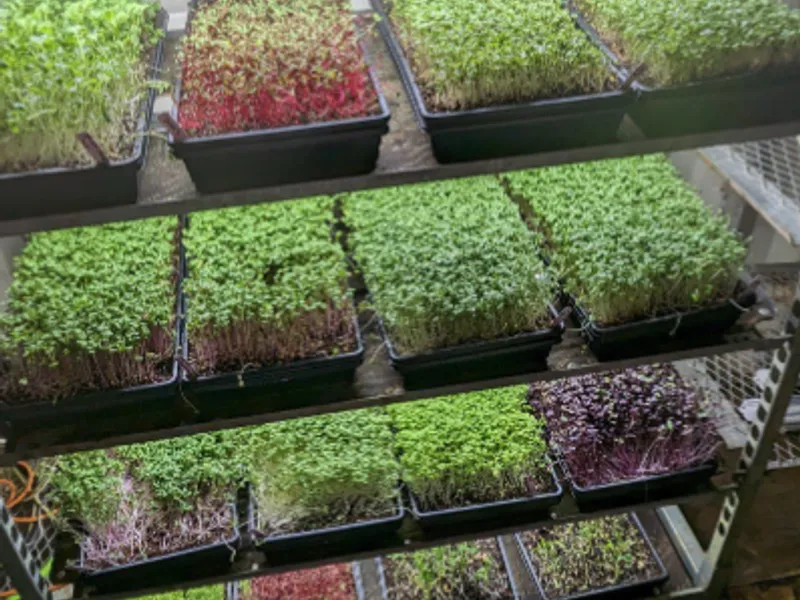
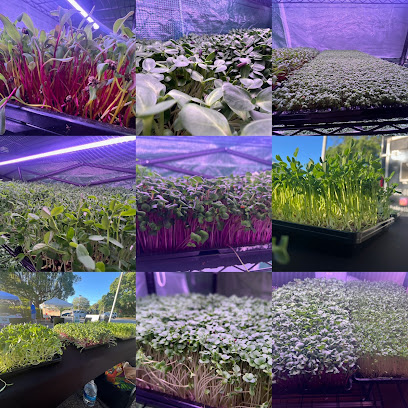
Microgreen Farms in South Carolina

Explore 12 local microgreen producers across 11 cities.

Select your city:
Loading Map...

Top Rated Farms in SC

City Roots
💬 128 reviews4.7
Farm

City Roots

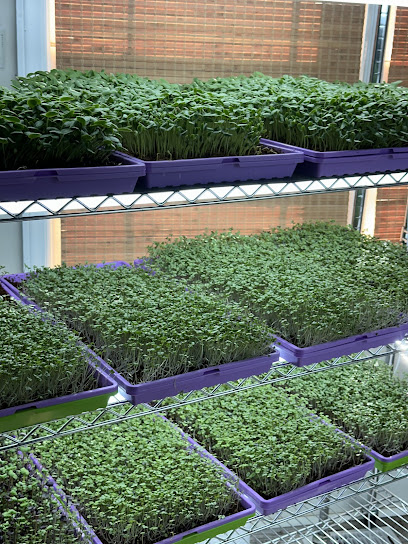
Large-scale Greenhouse Organic Microgreen Producer. Top products: 11 varieties of organic microgreens. City Roots is a large-scale, USDA-certified organic microgreen operation located in the Southeastern United States. Utilizing over 40,000 square feet of climate-controlled greenhouse space across 14 facilities, the farm maintains year-round production capabilities with a rapid 7-10 day growth cycle. They prioritize sustainable practices, strictly avoiding chemical pesticides and genetically engineered seeds. The company serves a broad wholesale market across the East Coast, ranging from Maryland to Georgia, with robust logistics infrastructure capable of handling everything from small delivery vehicles to 53-foot tractor-trailers. By maintaining a strict cold chain from storage to transport, City Roots ensures a 14-day shelf life for their products, positioning themselves as a reliable, high-capacity partner for commercial clients.

📍1005 Airport Blvd, Columbia, SC 29205
Route
Farm Background Placeholder
F
💬 6 reviews5
Farm

Fields of Revery Micro Farm

📍215 Akinbac Rd, Clover, SC 29710
Route
Website unavailable
Farm Background Placeholder
K
💬 5 reviews5
Organic farm

King Tide Farms

Urban Hydroponic Smart Farm. Top products: microgreens, artisanal lettuces, unusual leafy greens, exotic herbs. King Tide Farms is a technology-driven urban farm based in Charleston, South Carolina, utilizing shipping container hydroponics to achieve high-density production. By employing controlled environment agriculture, the farm produces artisanal lettuces, exotic herbs, and a variety of microgreens with exceptional water efficiency, consuming less than five gallons per day for 15,000 plants. Their operational model prioritizes sustainability and traceability, ensuring every plant is tracked from seeding to harvest. The farm serves the local community through weekly box subscriptions and direct sales at regional markets. By delivering produce within hours of harvest, they maintain peak freshness and quality for their customers.

📍4201 Spruill Ave Unit C, North Charleston, SC 29405
Route
Farm Background Placeholder
S
💬 5 reviews5
Farm

Simply Southern Microgreens LLC

📍293 Thompson Rd, Fountain Inn, SC 29644
Route
No website listed
Farm Background Placeholder
L
💬 3 reviews4.7
Farm

Lowcountry Mushrooms & Microgreens

Indoor Specialty Mushroom and Microgreen Farm. Top products: Specialty mushrooms, Microgreens. Lowcountry Mushrooms & Microgreens is a family-owned and operated agricultural business established in 2020 and based in Beaufort, South Carolina. The farm focuses on the indoor cultivation of nutrient-dense specialty mushrooms and microgreens, utilizing sustainable, pesticide-free growing methods to ensure high-quality produce year-round. Founded by the McClure family, the operation emphasizes local food security and minimal environmental impact within the Lowcountry region. Their business model centers on providing fresh, healthy, and locally-grown food options directly to the community. By leveraging controlled indoor environments, they maintain consistent production cycles independent of seasonal weather constraints.

📍172 Spanish Point Dr, Beaufort, SC 29902
Route
Greens To Glow
💬 2 reviews5
Farm

Greens To Glow

📍3790 S Pine St, Spartanburg, SC 29302
Route
No website listed
Mosaic Farms
💬 2 reviews5
Farm

Mosaic Farms

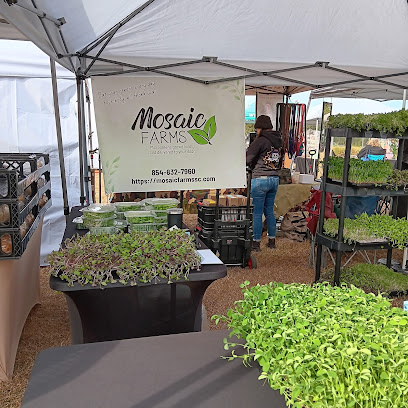
Direct-to-consumer microgreen farm and local delivery service. Top products: Not specified, Not specified, Not specified, Not specified. Mosaic Farms is a Summerville, South Carolina-based agricultural business specializing in the cultivation and home delivery of non-GMO, pesticide-free microgreens. Founded by Trish Lazarin, the farm operates on a direct-to-community model, emphasizing the nutritional density and health benefits of harvesting crops at the early sprout stage. Their service model focuses on freshness, with a commitment to delivering products to local customers within 24 hours of harvest. The business targets health-conscious individuals and families looking to incorporate nutrient-rich, locally grown greens into their daily diet. By managing the entire process from growth to doorstep delivery, Mosaic Farms provides a convenient, personalized alternative to traditional retail produce.

📍128 Tyvola Dr, Summerville, SC 29485
Route
DBK Farm's Microgreens
💬 1 reviews5
Farm

DBK Farm's Microgreens

📍124 Geiger Rd, Orangeburg, SC 29118, USA
Route
No website listed
Farm Background Placeholder
S
💬 1 reviews5
Farm

Spartanburg Microgreens

Local Microgreens Farm and Delivery Service. Top products: Sunflower Shoots, Broccoli Microgreens, Pea Shoots, Radish Microgreens. Spartanburg Microgreens is a local agricultural producer based in Spartanburg, South Carolina, dedicated to cultivating nutrient-dense microgreens for the Upstate region. The farm focuses on providing fresh, high-quality superfoods directly to consumers, emphasizing both health benefits and culinary versatility. Their product line includes a wide variety of individual microgreen species and curated blends, ranging from mild pea shoots to spicy radish and wasabi mustard varieties. By offering a convenient weekly delivery service, the business caters to health-conscious individuals looking to enhance their daily nutrition. Their mission centers on delivering farm-to-table freshness, ensuring that customers receive vibrant, flavorful greens that elevate home-cooked meals.

📍291 Scott Ln, Pelzer, SC 29669, USA
Route
The MicroGreens Farm
💬 1 reviews5
Farmers' market

The MicroGreens Farm

Organic Soil-based Microgreen Grower. Top products: Arugula, Wheat Grass. The Micro Greens Farm is a Charleston, South Carolina-based agricultural operation specializing in year-round container gardening of microgreens. Their production philosophy centers on simplicity and sustainability, utilizing locally sourced organic soil, regional organic seeds, and well water without the use of herbicides, pesticides, or synthetic nutrients. The farm is state-certified as a local grower, emphasizing a farm-to-table model that serves the immediate community through both pre-planted containers and cut-to-order harvests. By maintaining short growth cycles, they ensure a consistent supply of fresh, high-quality greens for their local customer base. Their operations are defined by a commitment to natural, chemical-free cultivation practices that prioritize health and environmental stewardship.

📍1281 Julian Clark Rd, Charleston, SC 29412
Route
Young's Microgreens
💬 1 reviews5
Farm

Young's Microgreens

Local Microgreen Producer and Direct-to-Consumer Delivery Service. Top products: Broccoli, Radish, Speckled Pea, Sunflower, Red Acre Cabbage, Arugula, Cilantro, Detroit Beets, Garden Cress, Genovese Basil. Young's Microgreens is a family-owned agricultural enterprise focused on providing nutrient-dense, fresh microgreens to the local community. Their product line includes a diverse range of varieties such as broccoli, radish, sunflower, and arugula, marketed for their health benefits and culinary versatility. The farm serves both individual consumers through a home delivery service and local businesses, notably supplying Talucci’s Bakery with specialty greens for their menu items. They maintain a consistent physical presence at the Summerville Farmer’s Market and the Coastal Coffee Roasters’ Winter Market. By emphasizing farm-to-table freshness, the business aims to replace low-quality retail greens with high-quality, locally grown alternatives.

📍Hema Ln, Summerville, SC 29483
Route
Farm Background Placeholder
L
Farm

Lockwood Micro Farm

📍6 Lockwood Ave, Greenville, SC 29607
Route
No website listed

Browse by City

The Microgreens Market in South Carolina

South Carolina’s microgreen sector is currently defined by high-quality, small-batch production. With 11 verified farms operating across the state, the market has transitioned from a niche culinary trend to a stable supply chain for high-end hospitality and health-conscious consumers. These farms utilize precise environmental controls to produce nutrient-dense yields year-round. Unlike traditional row crops that rely on South Carolina’s volatile seasonal shifts, microgreen operations in the state leverage vertical integration and indoor hydroponic systems. This approach mitigates the risks associated with the state's frequent humidity-driven pathogen growth and soil-borne diseases. The average rating of 4.9 across verified farms suggests a market driven by intense quality control and direct-to-consumer reliability.

Top Cities for Fresh Greens

Urban farming in South Carolina is not uniformly distributed. Instead, it clusters in areas with high restaurant density and logistical proximity to supply chains. Greer, boasting two verified farms, serves as a critical nexus for the Upstate region, bridging the gap between Greenville’s culinary scene and industrial transport lines. Summerville also hosts two farms, reflecting the demand from the Charleston metropolitan area. Other key hubs include Charleston, Ladson, Mount Pleasant, Greenville, Bluffton, West Columbia, and Port Royal.

Why these specific locations? Growers prioritize proximity to the "farm-to-table" restaurant corridors. In cities like Charleston and Greenville, the demand for locally sourced, pesticide-free greens is consistent. By positioning farms within city limits or adjacent suburbs, producers reduce their "food miles," ensuring that delicate microgreens—which possess extremely short shelf lives—reach kitchens at peak turgidity. This geographic clustering allows for hyper-local distribution models, including subscription-based models and weekly farmers' market cycles.

South Carolina Climate & Indoor Farming

South Carolina’s climate is characterized by long, sweltering summers and high humidity, which can be a liability for traditional outdoor agriculture. High ambient humidity increases the risk of fungal outbreaks, while soil temperature fluctuations can stress sensitive seedlings. This environmental reality is the primary driver for the state’s shift toward indoor, controlled-environment agriculture (CEA).

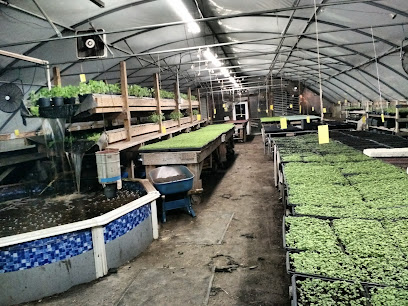
Hydroponic and vertical farming systems in South Carolina allow operators to bypass the state’s heat indices. By utilizing LED lighting and climate-controlled grow rooms, farmers can maintain a constant 68–72°F environment regardless of the external conditions. Furthermore, water usage is a critical factor. South Carolina has seen increased scrutiny regarding water conservation and aquifer management. Indoor microgreen systems use up to 90% less water than traditional field farming because they employ recirculating nutrient film technique (NFT) or ebb-and-flow systems. This technical efficiency is not just a sustainable choice; it is a vital economic survival strategy for urban farmers facing rising utility costs and regulatory pressures on commercial water consumption.

Sourcing Locally in SC

For restaurants, chefs, and retail consumers, identifying high-quality local producers is essential for ensuring product longevity. Below are the verified entities currently shaping the South Carolina market:

  • City Roots: A established high-rating farm (4.7) providing consistent yields.
  • King Tide Farms: Focused on organic methodologies with a perfect 5-star rating.
  • Lowcountry Mushrooms & Microgreens: A specialized provider catering to the unique culinary needs of the Lowcountry.
  • Tucci Greens: High-rating producer (5) known for rapid delivery.
  • Greens To Glow: A staple in the local urban farming circuit.
  • Mosaic Farms: Consistent production with top-tier consumer feedback.
  • DBK Farm's Microgreens: Specialized small-batch cultivation.
  • Young's Microgreens: Known for standardized quality control.
  • Spartanburg Microgreens: Serving the Upstate with localized, fresh supply.
  • The MicroGreens Farm: Operates primarily through the farmers' market channel.
  • Lockwood Micro Farm: A key participant in the state's growing indoor agriculture landscape.

When sourcing, prioritize farms that offer a clear harvest schedule. Microgreens lose nutritional value and texture within days of being cut; therefore, selecting a producer within your specific city—such as those in Greer or Summerville—will always yield a superior product compared to long-distance shipping.

Frequently Asked Questions

Q: Why are microgreens popular in South Carolina?

A: Microgreens are popular due to the state's robust 'farm-to-table' restaurant culture and the need for year-round, high-quality produce that can be grown indoors, away from South Carolina's intense summer heat and humidity.

Q: Which cities have the most microgreen farms?

A: Greer and Summerville are the leading hubs, each hosting two verified microgreen farms, serving the Upstate and Lowcountry regions respectively.

Q: How does indoor farming benefit South Carolina growers?

A: Indoor farming allows growers to bypass seasonal climate issues like high humidity and heat, significantly reduces water consumption through recirculating hydroponic systems, and ensures a consistent, year-round harvest.