Local Microgreens Market in Seattle
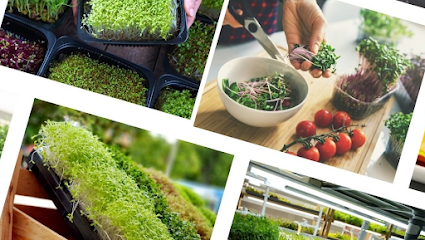
Seattle’s agricultural landscape relies heavily on indoor vertical farming to bypass the limitations of Washington’s overcast, unpredictable weather. While the traditional growing season is short, indoor operations provide a consistent year-round supply of microgreens. Currently, two primary suppliers dominate the local market. These facilities leverage controlled-environment agriculture to manage light, humidity, and CO2, resulting in greens that are often more nutrient-dense than those shipped from out of state.
Comparison of Top Growers
| Farm Name | Rating | Specialization | Type |
|---|
| Little Lolos Farms | 4.9 | Specialty herbs, microgreens, edible flowers | Urban Indoor Vertical Farm |
| Farmbox Greens | 3.7 | Microgreens | Corporate office/Hydroponic Farm |
Deep Dive into Suppliers
Little Lolos Farms operates an urban vertical model focusing on direct-to-consumer and restaurant sales. Their signature Hodge Podge Box serves as an entry point for customers, blending seven distinct microgreen varieties to maximize flavor profiles for home chefs.
Farmbox Greens functions as a large-scale hydroponic operation in the SODO district. Acquired by Charlie’s Produce in 2016, they prioritize supply chain efficiency and high-volume distribution across the Pacific Northwest using climate-controlled infrastructure.
The Nutritional Case for Local Greens
Microgreens—the immature shoots of vegetables and herbs—pack a higher concentration of vitamins and antioxidants than their mature counterparts. Broccoli microgreens, for instance, contain high levels of sulforaphane, a compound linked to cellular health. Radish microgreens offer a sharp, peppery bite and high vitamin C content. Pea shoots provide a sweet, crunchy texture rich in folic acid and beta-carotene.
In Seattle, indoor-grown greens offer a distinct advantage: shelf life. Greens shipped from California or Mexico lose nutritional value and texture during transit. Locally grown, hydroponic microgreens harvested in SODO or urban vertical farms reach the consumer within hours or days, not weeks. This reduction in food miles minimizes spoilage and ensures that the volatile oils responsible for the flavor of cilantro, basil, and mustard greens remain intact.
Buying Guide for WA Residents
- Check the Stem: Fresh microgreens should stand upright. If they appear wilted or slimy, the cold chain has been broken.
- Moisture Control: Avoid containers with excess condensation inside. While they need humidity to grow, too much water in the package accelerates rot.
- Storage: Keep microgreens in the original packaging, but place a folded paper towel in the container to absorb excess moisture. Store in the crisper drawer.
- Seasonality: While indoor farms provide year-round harvests, local distribution routes can be affected by winter weather. Buying locally supports the local economy and reduces the carbon footprint associated with long-haul refrigerated trucking.
- Usage: Use them as a garnish or a primary ingredient. Their delicate nature means they should be added at the end of the cooking process to preserve both their nutritional integrity and their aesthetic appeal.