The Microgreens Market in Washington
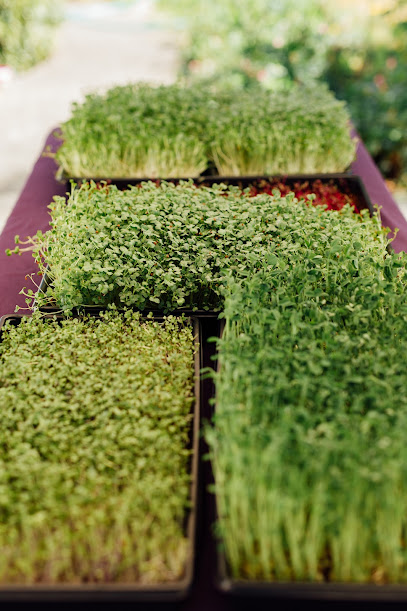
Washington state hosts 22 verified microgreen operations across 15 active cities. This market is shifting from hobbyist production to professionalized urban agriculture. Demand for high-nutrient, low-water crops is rising, driven by a culinary scene that prioritizes hyper-local sourcing. Unlike traditional field agriculture, which relies on expansive acreage and seasonal windows, Washington's microgreen sector functions year-round. It utilizes controlled environment agriculture (CEA) to bypass the state’s notoriously rainy, light-limited winters. High ratings across the board—with many farms holding perfect 5.0 scores—indicate a mature market where quality control and rapid delivery cycles are the primary competitive advantages.
Top Cities for Fresh Greens
Urban farming density in Washington follows economic and culinary demand. Bellingham and Spokane lead the state with three verified farms each, acting as regional anchors for Northern and Eastern Washington respectively. Vancouver, Lakewood, and Tukwila follow with two farms each, leveraging proximity to the dense population centers of the I-5 corridor.
- Bellingham: Serves as a hub due to its high concentration of farm-to-table restaurants and a consumer base prioritizing sustainability.
- Spokane: Provides critical supply chain access for the inland Northwest, reducing the shipping distance for greens that would otherwise travel from the coast.
- I-5 Corridor (Vancouver, Lakewood, Tukwila): Benefits from logistics efficiency and direct access to major metro distribution channels.
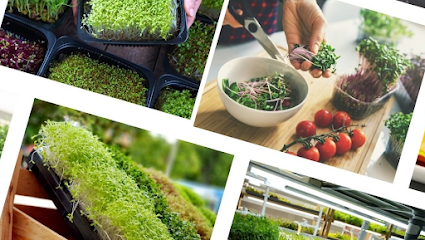
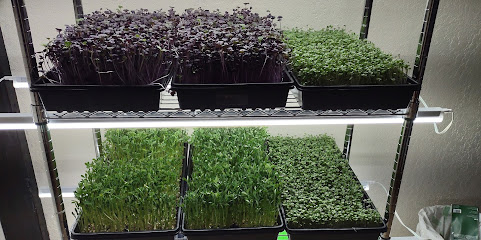
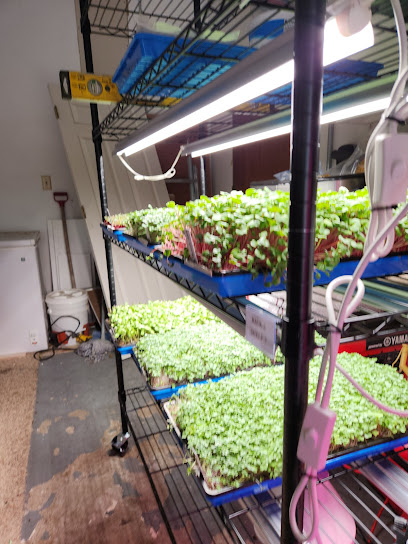
The presence of farms in smaller hubs like Richland, Wenatchee, and Port Angeles proves that microgreen production is highly decentralized. These operations do not require vast tracts of arable land. Instead, they occupy repurposed industrial spaces, basements, or specialized vertical racking systems, allowing them to remain profitable in high-cost urban areas.
Washington Climate & Indoor Farming
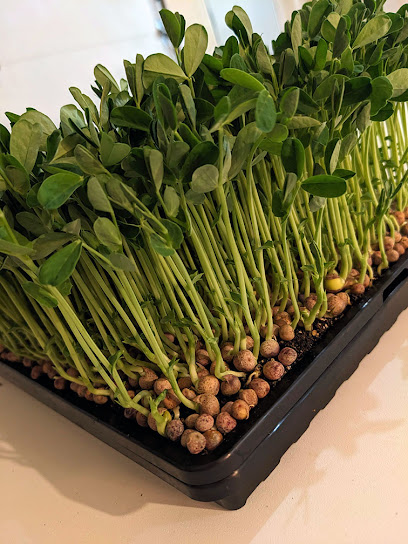
Washington’s geography presents a paradox for traditional farming: abundant rainfall exists alongside strict water rights and seasonal light deprivation. Indoor microgreen farming mitigates these challenges. By utilizing hydroponic or substrate-based vertical systems, growers reduce water usage by up to 90% compared to open-field crops. This is crucial as the state faces ongoing pressure to manage water resources efficiently.
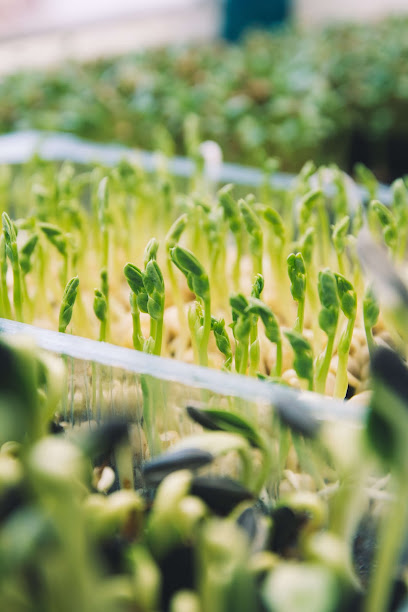
The primary constraint in Washington is the lack of solar radiation during the winter months. Outdoor photosynthesis slows significantly, forcing traditional leafy green production into a dormant state. Microgreen growers solve this by using high-efficiency LED arrays. These lights mimic the specific light spectrums required for rapid germination and nutrient density. By controlling temperature and humidity, these farms effectively "stop the clock" on the weather, ensuring a consistent product output regardless of whether the region is experiencing a rainy season or a dry spell.
Sourcing Locally in WA
For restaurants and residents looking to shorten their supply chain, the following farms represent the current standard for quality and reliability in the state:
- High-Rated Producers: Eastside Microfarms, EdenGreen Microgreens, Crunchy Microgreens, Brier Patch Farm, and Nimbus Farm all currently hold 5.0 ratings.
- Specialized Growers: Mizuna Gardens, LLC (4.8 rating) and Little Lolos Farms (4.9 rating) offer consistent inventory for commercial accounts.
- Regional Leaders: Look for Columbia Basin MICROGREENS for Eastern Washington distribution and Lady MacDonald's Garden for dedicated local supply.
- Diversified Producers: Baby Chavs, Twin Leaf Microgreens, and MicroLife Gardens maintain high quality metrics for retail and direct-to-consumer sales.
- Market Entry Points: Hope Rising Microgreens provides an example of the high-quality, mission-driven production models emerging across the state.
When selecting a supplier, prioritize farms that emphasize 'harvest-to-order' delivery. Because microgreens have a limited shelf life, the time elapsed between harvest and consumption is the most significant factor in maintaining flavor and nutritional profile.