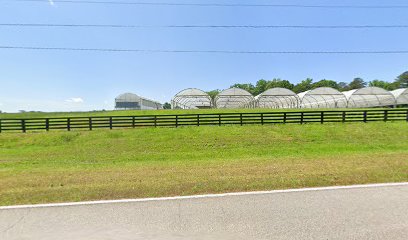
The Rise of Mushroom Farming in LaGrange
LaGrange is witnessing a pivot toward high-density, controlled-environment agriculture. While traditional field farming dominates the regional landscape, the demand for gourmet and medicinal mushrooms is driving producers to look toward indoor climate-controlled cultivation. Fungi cultivation allows for year-round production, circumventing the volatility of Georgia’s humid subtropical climate. Mushrooms require specific humidity, temperature, and ventilation, making indoor systems an efficient land-use model for the local economy. Producers are increasingly adopting circular farming methods, using recycled agricultural waste to create nutrient-rich substrates for mushroom growth. This shift supports both the culinary sector and the growing wellness movement in Troup County.
Current Local Growers
The following table represents the known agricultural entities currently integrating diverse cultivation practices within the region.
| Name | Primary Focus | Key Agricultural Practices |
|---|
| Piney Woods Farm | Regenerative Organic Polyculture | Mycology integration, soil rehabilitation, and closed-loop cycles |
Piney Woods Farm represents the intersection of regenerative agriculture and education. By focusing on soil health and community food security, the farm demonstrates how mushrooms can fit into a broader ecosystem of livestock, fruits, and vegetable production. Their commitment to distributing produce to local initiatives highlights the importance of keeping agricultural output within the local community.
Why Buy Locally Grown in GA?
Georgia’s climate presents a challenge for certain crops. High heat and humidity during the summer months cause rapid degradation of harvested produce. When you purchase mushrooms grown in LaGrange, you eliminate the "food miles" associated with long-haul logistics. Freshness is the primary variable in mushroom quality; store-bought fungi often endure days in transit, leading to soft textures and reduced flavor profiles. Locally harvested mushrooms are firmer, hold their moisture better during cooking, and retain higher levels of essential vitamins and minerals. Because indoor-grown mushrooms are protected from regional pathogens and pests, they often require fewer chemical interventions, ensuring a clean, food-safe product for your table.
Popular Varieties & Culinary Uses
Local production focuses on species that thrive in controlled conditions and offer high versatility. Oyster mushrooms are the workhorse of the local fungi scene. Their delicate, velvety texture and mild flavor make them ideal for stir-fries, pasta dishes, or as a meat substitute in tacos. Shiitake mushrooms provide a deeper, woodier umami note. They are perfect for soups, broths, and roasting. For those interested in functional wellness, Lion’s Mane has gained traction for its potential cognitive benefits. It features a unique, crab-like texture when seared in a hot pan with butter or oil. Cordyceps are typically utilized in medicinal preparations or teas to support energy levels. To maximize the shelf life of these varieties, store them in a paper bag in the main compartment of your refrigerator rather than a plastic container, as they need to breathe to prevent sliminess. When cooking, avoid washing them under running water; simply wipe them clean with a damp cloth or a soft brush to maintain their structural integrity and flavor density.