The Mushroom Market in Georgia
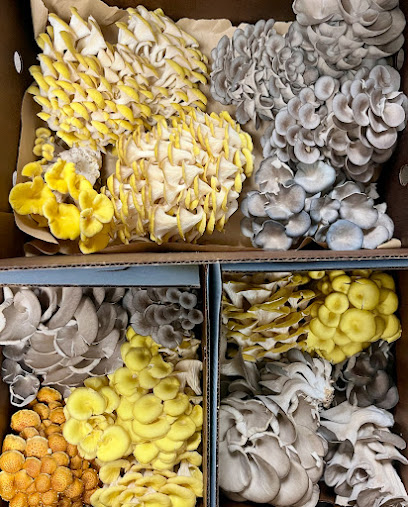
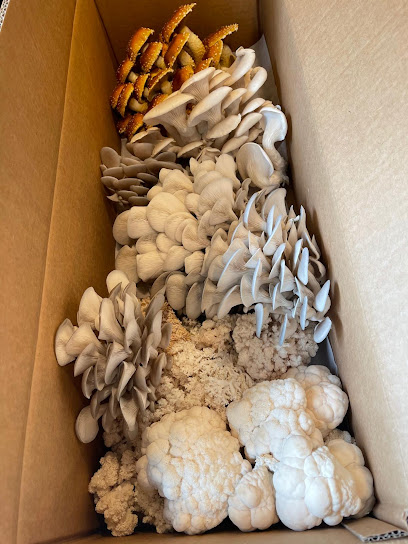
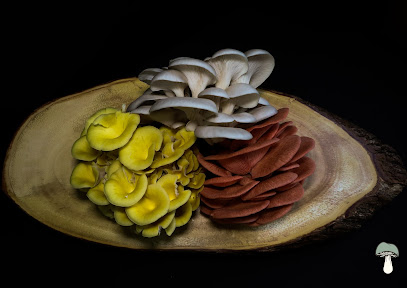
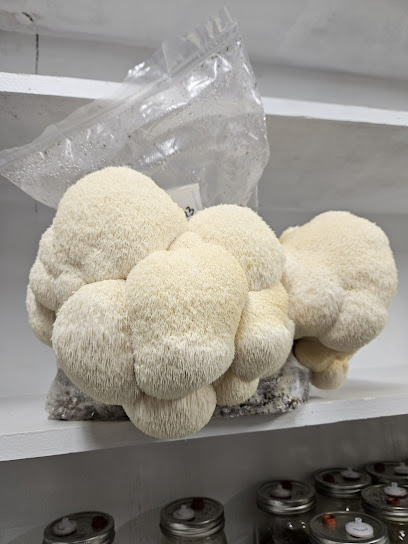
Georgia’s gourmet and medicinal mushroom market has evolved from a niche hobby into a robust local agricultural sector. Currently, 19 verified farms operate across 17 cities, signaling a shift toward decentralized food production. Demand for varieties like Lion’s Mane, Oyster, and Shiitake has surged among culinary professionals and health-conscious consumers. Supply chains are increasingly localized, reducing the carbon footprint associated with long-distance shipping of fragile fungal products. The market is defined by high-quality, small-batch operations that prioritize freshness over mass-market shelf life. With average ratings across top farms frequently hitting 5.0, consumer satisfaction indicates a strong appreciation for local mycology expertise.
Top Cities for Gourmet Fungi
Atlanta functions as the primary hub for Georgia’s mushroom economy, hosting three major farms. This concentration is driven by proximity to high-end restaurant supply chains and a dense population of artisanal food enthusiasts. Outside of the capital, production is spread across a diverse geographic range, including Sparta, Warner Robins, Macon, Norcross, Savannah, Tunnel Hill, Gainesville, LaGrange, and Lawrenceville. This dispersion suggests that mushroom cultivation is not limited by traditional agricultural land requirements. Because indoor vertical farming allows for controlled fruiting chambers, producers can operate effectively in suburban and peri-urban environments, bypassing the need for extensive acreage.
Georgia Climate & Mushroom Cultivation
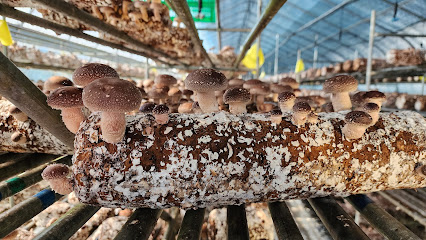
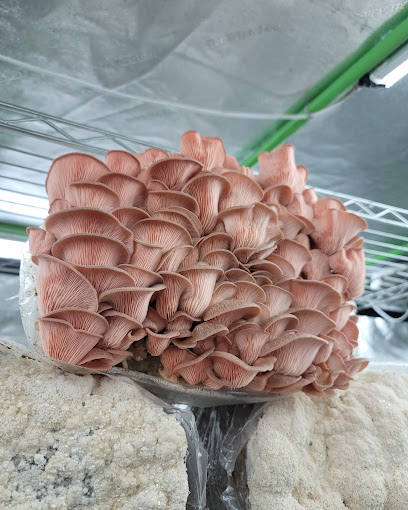
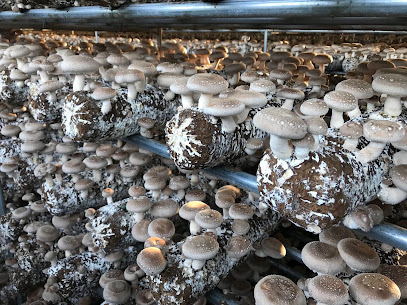
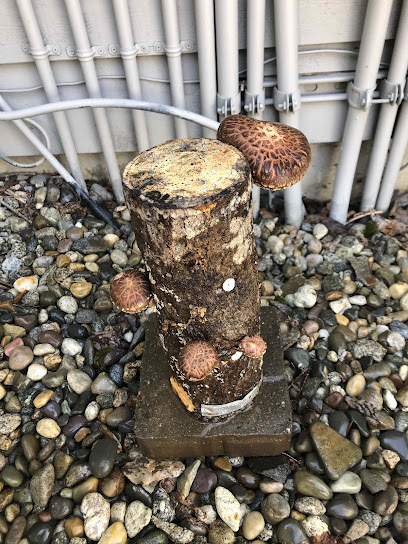
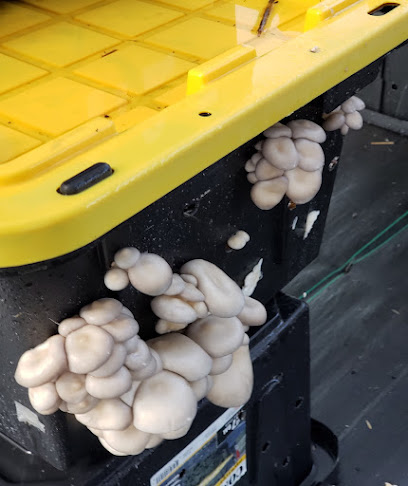
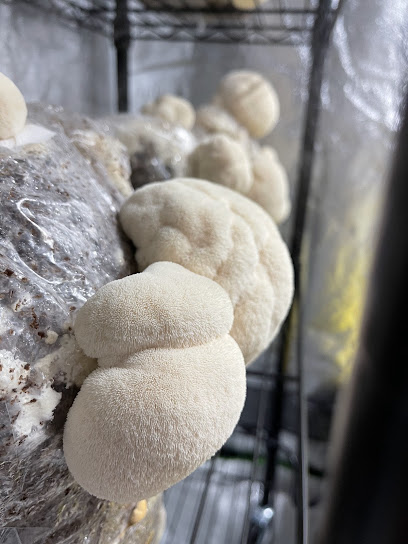
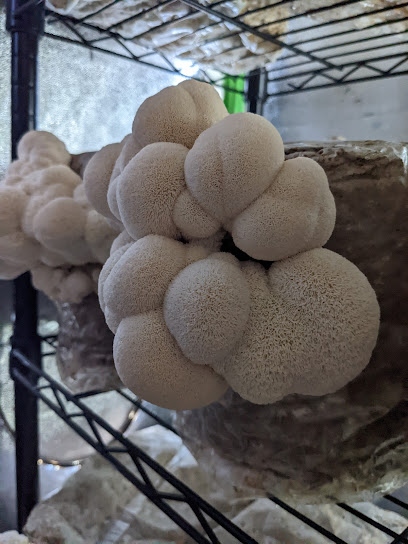
Georgia’s humid subtropical climate presents both challenges and advantages for mycologists. High ambient humidity is beneficial for species like Oysters, but the intense summer heat requires sophisticated climate control systems. Indoor cultivation is the industry standard here, utilizing insulated shipping containers or retrofitted warehouses equipped with HEPA filtration and precise misting systems. These fruiting chambers mimic the forest floor by manipulating CO2 levels and temperature gradients. For outdoor foragers or log-based cultivation, Georgia’s diverse forest types—ranging from the Appalachian foothills to the coastal plains—provide an abundance of hardwood species ideal for inoculating Shiitake or Reishi. However, the volatility of Georgia summers often forces growers to move operations entirely indoors during peak months to prevent contamination and ensure consistent yield cycles.
Sourcing Locally in GA
For restaurants and residents looking to integrate local fungi into their supply chains, the following farms represent the current gold standard in Georgia:
- Ellijay Mushrooms-Farm Store: A staple for fresh, sustainably grown varieties.
- Green Box Mushrooms: Known for high-yield, consistent indoor production.
- Shoots and Spores: Focuses on premium quality gourmet strains.
- Foraged & Farmed LLC: Bridges the gap between wild-harvested and lab-grown expertise.
- Qihe Georgia Grown Mushrooms: An essential agricultural service provider for the local industry.
- Andrews Acres Gourmet Mushrooms: A high-rated producer specializing in culinary staples.
- Green Planet Veteran Farms, LLC: Combines organic practices with community-focused agriculture.
- The Horti-Culture llc: Emphasizes scientific precision in fungal development.
- Gowin Valley Farms Mushrooms: A reliable source for fresh, regionally grown gourmet varieties.
- Middle Georgia Mushroom: Provides critical access to fresh product in the central region.
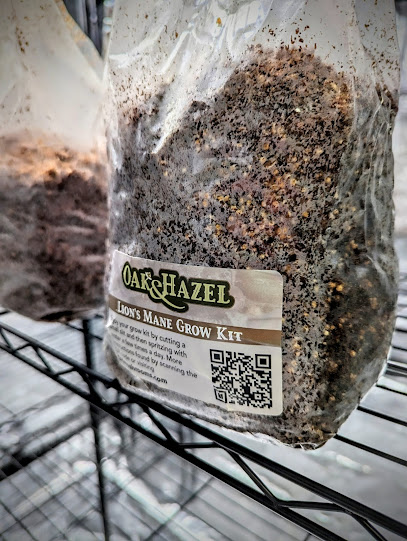
- Oak & Hazel mushrooms: Focuses on small-batch, high-flavor profiles.
- Atlanta Gourmet Mushroom: A key supplier for the metropolitan culinary scene.
- SomeDay Farms: Offers diverse harvests for local markets.