Local Mushroom Market in Monroe
Monroe, North Carolina, currently supports two dedicated mushroom suppliers. This limited agricultural landscape necessitates that local residents prioritize direct-to-farm connections. Because North Carolina experiences significant seasonal humidity shifts, outdoor fungal cultivation faces challenges with pest management and unpredictable spore release. Local indoor farms leverage controlled environments to bypass these climatic variables, utilizing precise fruiting chambers to maintain consistent moisture and temperature. This micro-climate management ensures year-round availability of varieties that might otherwise succumb to the southern heat or dry spells.
Comparison of Top Growers
| Farm Name | Rating | Specialization | Type |
|---|
| Winding Brook - Mushrooms and More | 5 | Culinary mushroom cultivation and education | Farm |
| Sharonview Farm | 4.9 | General mushroom production | Farm |
Deep Dive into Suppliers
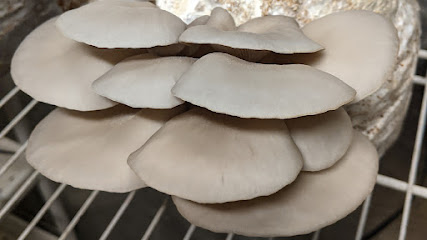
Winding Brook - Mushrooms and More operates as a specialized culinary and educational hub. They offer a diverse range of products, including fresh Lion’s Mane and Blue Oyster mushrooms, while providing the technical tools for home growers through spawn and grow bags.
Sharonview Farm maintains a strong reputation for consistent quality with a 4.9 rating. They function as a foundational source for general mushroom production, serving as a reliable point of access for consumers seeking locally produced fungi in the Monroe region.
Buying Guide for NC Residents
Buying mushrooms produced within North Carolina yields significant benefits. Local fungi minimize the 'food miles' associated with grocery store imports, ensuring the product reaches your kitchen within hours of harvest rather than days. Freshness impacts nutritional density and texture; locally sourced mushrooms retain higher water content and superior structural integrity for searing or sautéing.
- Assess the gills: Inspect the underside of the cap. For oysters, they should be firm and white. Avoid specimens with slimy or darkened gills, which indicate decay.
- Moisture levels: The mushroom should feel slightly cool and dry to the touch. Excess moisture in the package is a red flag for spoilage.
- Scent profile: Fresh, locally grown mushrooms possess an earthy, pleasant aroma. A sour or ammonia-like scent suggests bacterial growth.
- Cap integrity: Look for firm caps that aren't bruised or shriveled. For medicinal species like Lion’s Mane, the 'teeth' should appear hydrated and vibrant, not brown or dry.
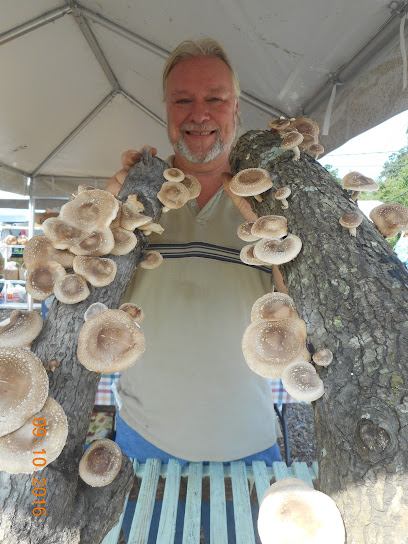
Beyond culinary delight, mushrooms like Lion’s Mane are studied for cognitive support, while others like Shiitake and Oysters provide significant immune-boosting beta-glucans. In North Carolina, purchasing from growers like Winding Brook or Sharonview Farm supports the regional agricultural economy and guarantees a superior product compared to mass-market commercial options. The indoor cultivation techniques utilized by these farms are vital to overcoming the state's humidity-driven contamination risks. By choosing local, you opt for safer, more nutrient-dense fungi that support both your health and the local economy.