The Mushroom Market in New Hampshire
The mushroom market in New Hampshire is currently characterized by a decentralized network of small-scale, high-quality producers. With 6 verified farms operating across 6 distinct cities, the state's mycological industry relies on direct-to-consumer sales, farmers' markets, and niche restaurant partnerships. Consumers currently have access to premium-rated producers like Joyberry Farms and Zulip Farms, both holding perfect 5-star ratings, which indicates a high degree of specialization rather than mass-market volume. The market is shifting away from generic grocery store imports toward locally cultivated, organic-certified fungi such as Lion's Mane, Shiitake, and Oyster mushrooms. This localized supply chain model reduces transport times, ensuring that the shelf life—a critical factor for gourmet fungi—is maximized for the end user.
Top Cities for Gourmet Fungi
Mushroom cultivation in New Hampshire is distributed across diverse geographic regions, ranging from the southern border in Brookline to the White Mountain region in Bartlett. The distribution of these hubs—Brookline, Bartlett, Tamworth, Warren, Brentwood, and Weare—suggests that market access is driven by proximity to population centers or specific micro-climates conducive to indoor fruiting. Brookline’s role as a hub is particularly significant; its location near the Massachusetts border allows growers to tap into larger regional distribution networks while maintaining the lower overhead costs of New Hampshire land. Conversely, farms in Bartlett and Tamworth leverage the cooler, mountainous air, which is ideal for species that require significant temperature drops to trigger pinning. This geographic spread ensures that no single region monopolizes the supply, creating a resilient, state-wide agricultural infrastructure.
New Hampshire Climate & Mushroom Cultivation
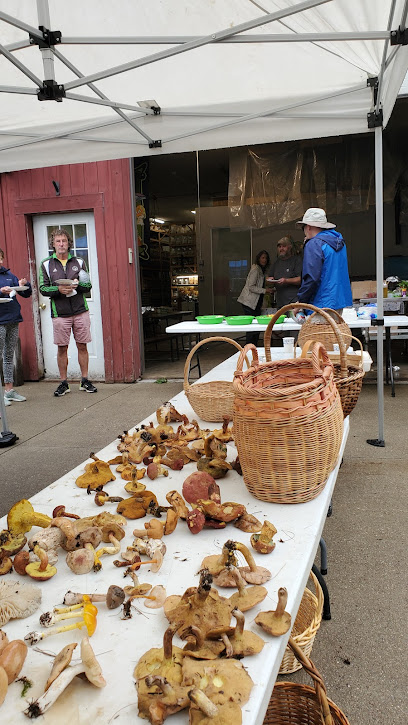
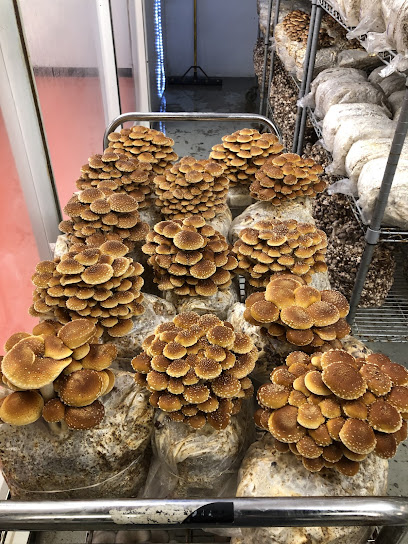
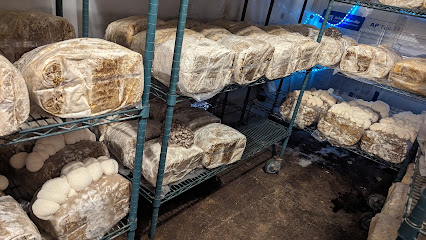
New Hampshire’s climate presents a unique set of variables for both wild foraging and indoor cultivation. The state experiences high humidity levels, particularly in the spring and fall, which are optimal for mycelial expansion. However, the extreme seasonal temperature fluctuations necessitate sophisticated climate control for year-round production. Successful growers in this region utilize climate-controlled fruiting chambers to mimic the specific environmental triggers required for gourmet species. Indoor cultivation is the dominant model because it mitigates the risks associated with the state's harsh winters, where ambient temperatures can dip well below freezing for extended periods. Foraging in New Hampshire is equally influenced by its forest composition; the prevalence of hardwoods such as oak, maple, and beech provides a natural substrate for wild species. Growers often replicate these forest conditions using sterilized sawdust blocks or logs, effectively bringing the forest floor into a controlled environment. Humidity management is the primary challenge; growers must maintain levels between 85% and 95% to prevent the drying of delicate fruiting bodies, a task facilitated by the state's naturally high atmospheric moisture but hampered by the dry air created by indoor heating systems during winter months.
Sourcing Locally in NH
- Direct Farm Sales: Establish relationships with producers like New Hampshire Mushroom Company (4.8 rating) for bulk orders of gourmet varieties.
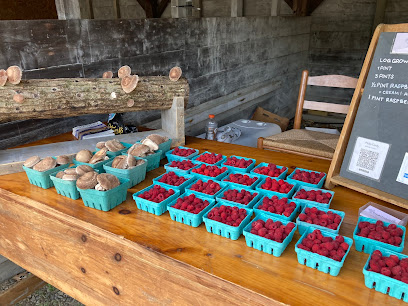
- Pick-Your-Own Operations: Utilize farms like Zulip Farms to source fresh produce directly from the source, ensuring peak freshness.
- Organic Certification: Prioritize operations like Cindy's Mushroom Farm for consumers seeking organic-certified cultivation methods.
- Niche Food Producers: Look for food producers such as Dunk's Mushrooms, which often focus on value-added products like mushroom powders, dried mixes, and ready-to-cook kits.
- Community-Supported Agriculture (CSA): Check with local farms in Weare and Brentwood to see if they offer seasonal mushroom shares, providing a consistent supply of varied strains throughout the year.