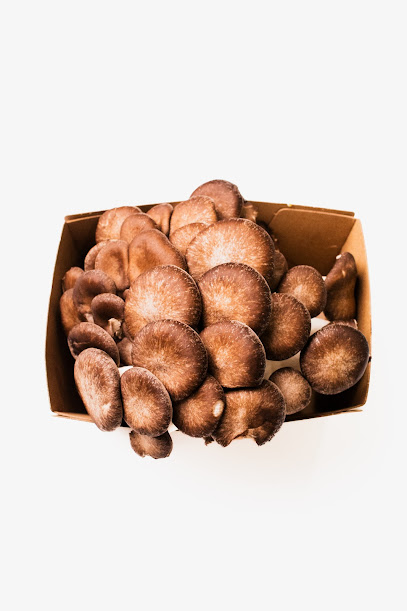
The Rise of Mushroom Farming in Buda
Buda is evolving into a significant hub for high-yield mycological production. By moving mushroom cultivation indoors, local producers bypass the extreme heat and unpredictable rainfall characteristic of Central Texas. This controlled environment allows for consistent, year-round production of high-quality gourmet fungi. Indoor farming facilities utilize precise climate technology to manage humidity and airflow, ensuring that mushrooms develop optimal texture and flavor profiles. As demand for organic, nutrient-dense foods grows, local agriculture is shifting to meet the needs of retailers and home growers alike.
Current Local Growers
The following table lists active mushroom producers in the Buda area and their primary areas of operation.
| Farm Name | Specialty |
|---|
| Fallen Oak Mycology | Commercial gourmet mushrooms, ready-to-fruit substrate blocks, and regenerative compost. |
Fallen Oak Mycology represents the standard for large-scale production in the region, operating a 25,000-square-foot facility. By providing ready-to-fruit substrate blocks, they empower smaller farms to scale production efficiently while reducing labor costs. Their focus on circular agriculture ensures that spent substrate is converted into nutrient-rich compost, supporting broader soil regeneration efforts across Texas.
Why Buy Locally Grown in TX?
Texas climate presents unique challenges for outdoor farming, including extreme temperature fluctuations and water scarcity. Indoor mushroom cultivation solves these issues by maintaining a stable micro-climate regardless of the season. When you purchase mushrooms grown in Buda, you minimize the carbon footprint associated with long-distance shipping. Freshly harvested mushrooms reach the table with a superior nutritional density and longer shelf life compared to imports that sit in supply chains for days. Locally grown, USDA Organic mushrooms provide transparency, ensuring you know exactly how your food was cultivated without the use of synthetic pesticides or long-haul preservatives.
Popular Varieties & Culinary Uses
Local production focuses on varieties that thrive in managed environments and offer distinct culinary or medicinal benefits. Oyster mushrooms are the workhorse of the local industry. They offer a delicate, savory flavor and a tender texture when sautéed at high heat. Shiitake mushrooms provide an earthy, meaty profile perfect for soups, stir-fries, and as a protein replacement in vegetarian dishes. Lion’s Mane is increasingly sought after for both its lobster-like texture and potential cognitive health benefits, often sliced and seared as steaks. Finally, Cordyceps are frequently used in wellness-focused culinary applications, often dehydrated for teas or added to smoothies to boost nutritional value. Incorporating these varieties into your daily diet supports regional food security and local agricultural infrastructure.