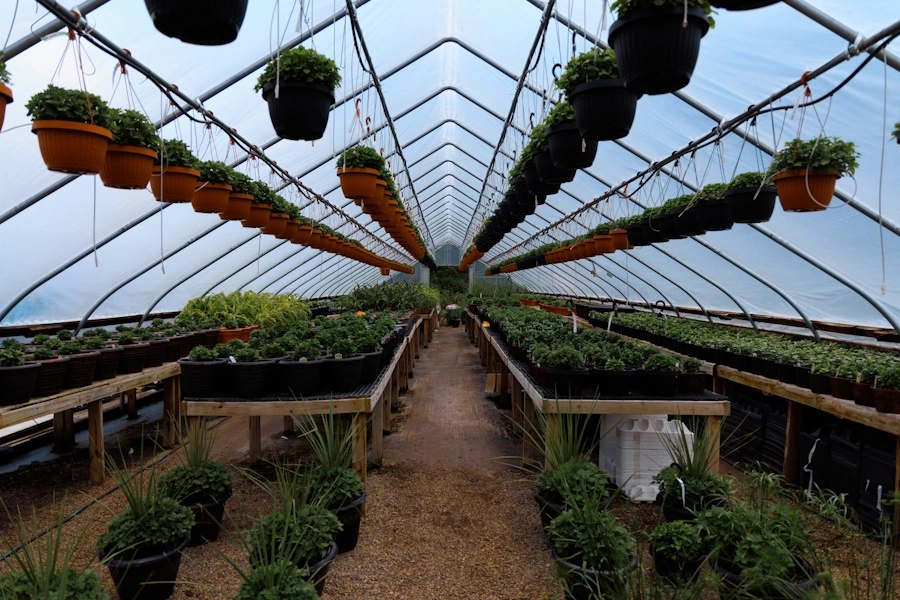
Local Nursery Scene in St. Petersburg
St. Petersburg hosts a robust variety of horticultural outlets. With nine prominent locations identified, residents have access to everything from massive, full-service garden centers to specialized appointment-only farms. The local climate, largely defined by USDA Hardiness Zones 9b and 10a, demands specific plant knowledge. Choosing flora that thrives in high humidity, intense sunlight, and sandy soil is critical for long-term success. Local nurseries act as essential hubs for this regional expertise, often carrying native species that big-box retailers overlook.
Comparison of Top Nurseries
| Nursery Name | Rating | Specialization | Type |
|---|
| Dolins Garden Center | 4.7 | Full-service Gardening | Retail Garden Center |
| Willow Tree Nursery Inc | 4.6 | Trees and Shrubs | Retail Nursery |
| St. Pete Orchid Farm | 4.7 | Orchids | Specialty Nursery |
| Succulent City St Pete | 4.6 | Succulents | Specialty Nursery |
| Floridascape | 4.0 | General Plants | General Nursery |
| Esperanza's Garden Center | 3.7 | General Plants | General Nursery |
| Little Tree Homestead | 5.0 | Edible Fruit Trees | Nonprofit Nursery |
| Mitch Armstrong Nursery | 5.0 | Tropicals | Mobile/Appointment Nursery |
| The Botanical Bazaar | N/A | Rare Tropicals | Specialty Nursery |
Deep Dive into Nurseries
Dolins Garden Center stands as a landmark in northeast St. Petersburg with over 40 years of operation. They function as a comprehensive resource for residential landscaping, offering everything from native plant species to heavy-duty hardscape elements like fountains and pottery.
Willow Tree Nursery Inc provides an old-school nursery experience on a sprawling 2.8-acre property. They specialize in large shade trees and fruit-bearing varieties while offering essential professional advice on local soil and drainage conditions.
St. Pete Orchid Farm requires appointments, ensuring visitors receive undivided attention from staff. They focus exclusively on high-quality orchid cultivation, making them the primary destination for collectors seeking specific, well-maintained specimens.
Succulent City St. Pete bridges retail with community engagement through specialized workshops. They move beyond simple plant sales, focusing on terrarium building and sustainable succulent art for local homeowners.
Floridascape serves the region as a general-purpose nursery. For buyers, this typically means a reliable source for standard landscape staples and foundational greenery required for basic home curb appeal.
Esperanza's Garden Center operates as a general plant nursery. These establishments often carry common regional shrubs and flowers, providing a convenient stop for quick home gardening fixes.
Little Tree Homestead is a unique nonprofit focusing on urban food security and regenerative agriculture. They specialize in edible fruit trees like Papaya and Tamarind, teaching local residents how to maintain self-sufficient gardens.
Mitch Armstrong Nursery utilizes a mobile-retail model, appearing at major local markets like the Saturday Morning Market. They offer rare tropicals and cacti to collectors who prioritize hand-picked, expertly propagated plants.
The Botanical Bazaar functions as a niche supplier for rare tropical plants and medicinal herbs. Because they operate on a local pickup model, they ensure that sensitive, hard-to-find species remain healthy and undisturbed during the transition to a new home.
Buying Guide for FL Gardeners
- Prioritize Native Plants: Species indigenous to Florida are naturally acclimated to our specific heat and rainfall patterns. They require less supplemental water and chemical intervention than exotic imports.
- Check Plant Health: Inspect the foliage for signs of pests like aphids or scale. Ensure roots are not severely pot-bound, as this significantly stunts growth once the plant is moved to the ground.
- Local Acclimation: Buying from nurseries that propagate in-state ensures the plants are already adjusted to the Florida sun. Plants imported from northern greenhouses often suffer from severe transplant shock during their first St. Petersburg summer.
- Seasonal Awareness: Plant during the cooler months, generally October through March. This allows root systems to establish before the intense summer heat and hurricane season arrive.
- Understand Soil Needs: St. Petersburg soil is predominantly sandy. Use organic compost and quality mulch to improve moisture retention and nutrient availability.