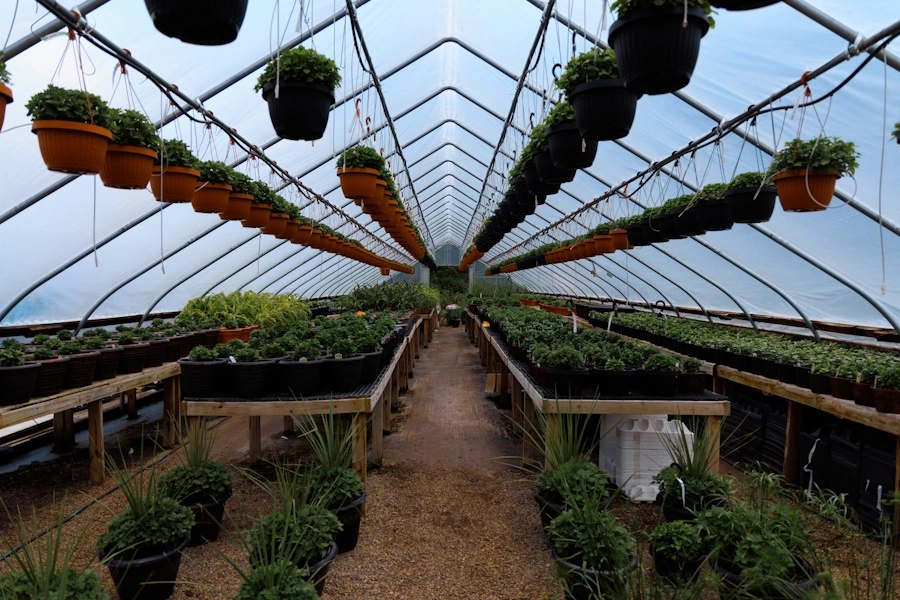
Local Nursery Scene in Forest Lake
Forest Lake and its surrounding areas in the St. Croix Valley provide a robust landscape for gardening, offering access to seven distinct nursery operations. This regional network spans from full-service retail garden centers stocked with annuals to specialized wholesale farms focusing on mature tree production. Minnesota gardening requires careful consideration of USDA Hardiness Zones, typically ranging from 3 to 4 in this region, which dictates that only cold-hardy perennials, trees, and shrubs will thrive long-term. Selecting plants that have been grown in this climate ensures higher survival rates compared to imported stock from warmer regions.
Comparison of Top Nurseries
| Nursery Name | Rating | Specialization | Type |
|---|
| Applewood Nursery & Landscape Supply | 3.9 | Landscape Materials | Retail Garden Center |
| Abrahamson Nurseries | 4.7 | Full-Service Design | Retail Garden Center |
| Prairie Restorations Garden Center | 4.6 | Native Plants | Specialty Nursery |
| Landscape Alternatives | 4.9 | Native Plants | Specialty Nursery |
| Bergens Greenhouses | 4.6 | Ornamentals | Production Greenhouse |
| Hardwood Creek Nursery | 5.0 | Large Shade Trees | Wholesale Nursery |
| Max Tree Farm | N/A | Large Shade Trees | Wholesale Nursery |
Deep Dive into Nurseries
Applewood Nursery & Landscape Supply serves as a convenient hub for both homeowners and contractors. They pair a large inventory of annuals and perennials with heavy landscape goods like stone and mulch, making them a one-stop shop for outdoor projects.
Abrahamson Nurseries operates a full-service model that integrates professional design services with a broad plant selection. Their plant guarantee program provides additional confidence for homeowners investing in high-value trees and shrubs.
Prairie Restorations Garden Center - Scandia specializes in ecological health, focusing on native species essential for local pollinators. Their staff provides expert advice on restoring regional ecosystems rather than traditional ornamental landscaping.
Landscape Alternatives emphasizes biodiversity by offering over 200 species of native plants specific to the St. Croix Valley. Their display gardens are organized by moisture and sunlight needs, which simplifies the selection process for amateur gardeners.
Bergens Greenhouses leverages over a century of family-owned experience to produce quality ornamental and seasonal plants. As a major producer, they ensure a steady supply of fresh greenhouse stock tailored to local seasonal requirements.
Hardwood Creek Nursery focuses on the production of exceptionally large-caliper deciduous trees using sustainable, bee-safe growing practices. Their direct-from-field method is designed for professional installers looking for immediate landscape maturity.
Max Tree Farm is a wholesale provider focusing on large-format shade trees for commercial projects. While they lack a traditional retail storefront, their focus on professionally installed 5-9 inch caliper trees makes them a key partner for large-scale landscaping upgrades.
Buying Guide for MN Gardeners
- Climate-Adapted Stock: Always prioritize plants grown locally. These specimens have already endured Minnesota winters and are less likely to suffer transplant shock.
- Native Benefits: Choose native perennials and shrubs from specialists like Landscape Alternatives or Prairie Restorations. These plants require less supplemental irrigation and fewer chemical fertilizers once established.
- Visual Health Checks: Inspect plants for signs of pests or root-bound containers before buying. A healthy plant should have vibrant foliage and white, firm roots rather than brown, mushy ones.
- Hardiness Zone Awareness: Verify that all woody plants are rated for USDA Zone 4 or lower to ensure they survive the extreme cold of a typical Forest Lake winter.
- Seasonality: Plan your major installations for spring or early autumn. These periods allow root systems to establish before the stress of either deep winter frost or the peak heat of summer.
- Soil Prep: Forest Lake soils vary. Before planting, test your soil pH and nutrient levels, then amend with organic matter such as compost or mulch provided by local suppliers to improve drainage and microbial health.