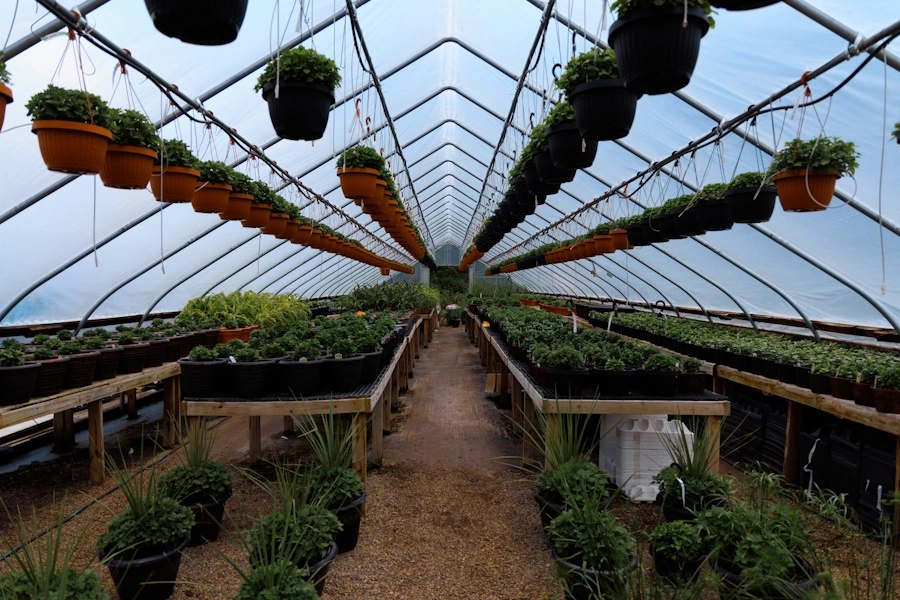
Local Nursery Scene in Albany
Albany, Oregon, sits in the heart of the Willamette Valley, a region defined by its mild, wet winters and warm, dry summers. This climate corresponds roughly to USDA hardiness zones 8a and 8b. Eleven plant suppliers serve this area, offering everything from wholesale native reforestation stock to retail-ready ornamental landscape plants. Growers in this region benefit from a long, productive growing season, allowing for the propagation of diverse plant types ranging from delicate ferns to robust conifers. Local nurseries emphasize regional adaptability, ensuring plants are ready for the valley's specific clay-heavy soils and periodic drought cycles. Whether you need bulk wholesale material or specialized garden center items, the local supply chain is robust.
Comparison of Top Nurseries
| Nursery Name | Rating | Specialization | Type |
|---|
| Garland Nursery | 4.7 | Retail Garden Center | Retail |
| Scenic Hill Farm Nursery | 4 | Fruit and Ornamental | Retail/Wholesale |
| Bamboo Valley | 4.7 | Bamboo | Specialty |
| Jefferson Nursery | 5 | PNW Flora | Retail |
| Peoria Gardens | 4.7 | Wholesale Greenhouse | Wholesale |
| Fox's Country Gardens | 4.9 | General Nursery | Retail |
| Seven Oaks Native Nursery | 2.3 | Native Plants | Wholesale |
| Valley Shade Trees | 3.2 | General Nursery | Retail |
| Rhododendrons Direct | 4 | Ornamental Shrubs | E-commerce |
| Plant Warehouse | 5 | General Nursery | Retail |
Deep Dive into Nurseries
Garland Nursery acts as a primary community hub in Albany. They balance a deep inventory of indoor houseplants with outdoor landscape staples like conifers and maples, bolstered by a structured educational program.
Scenic Hill Farm Nursery leverages 50 years of experience to provide fruit-bearing plants and native nut trees. Their focus on bare-root and containerized plants caters effectively to both small-scale food gardeners and professional landscapers.
Bamboo Valley provides a focused selection of species optimized for Pacific Northwest architectural design. Their inventory is specifically curated for privacy screens and windbreaks that survive local winters.
Jefferson Nursery centers its operations on re-establishing local access to PNW-hardy vegetation. They combine an online ordering system with expert, personalized advice for home landscape projects.
Peoria Gardens operates as a second-generation wholesale powerhouse. Their environmental commitment, seen in their use of solar energy and beneficial insects, makes them a critical node for sustainable greenhouse growing in Oregon.
Fox's Country Gardens maintains a traditional approach to plant retail, offering a generalized selection suitable for the diverse needs of regional gardeners.
Seven Oaks Native Nursery produces over 150,000 seedlings annually, with a heavy emphasis on native Quaking Aspen. Their wholesale operations prioritize nursery-propagated stock over wild harvesting to support ecological restoration.
Valley Shade Trees fills the local market gap for general shade-providing species. This inventory is essential for residents looking to mitigate the heat-island effect during the dry Oregon summer months.
Rhododendrons Direct manages a specialized e-commerce logistics chain for ericaceous shrubs. They focus heavily on rare Rhododendrons, Azaleas, and Hydrangeas for discerning plant collectors.
Plant Warehouse offers a streamlined, general-inventory shopping experience. This type of nursery typically provides a direct-to-consumer model that focuses on convenience and essential plant staples.
Buying Guide for OR Gardeners
- Focus on Native Species: Plants native to the Willamette Valley require less irrigation and fewer fertilizers once established. Look for species like Western Red Cedar, Oregon Grape, and Douglas Fir to naturally support local pollinators and soil structure.
- Acclimation is Key: Buying from local growers ensures your plants are already adapted to Oregon’s high-moisture winters. Plants shipped from warmer or more arid climates often struggle during their first rainy season in Albany.
- Check for Root Health: Inspect container-grown plants for root circling. Gently tug at the base; a healthy plant should feel firm in its pot with white, active root tips visible.
- Seasonal Timing: Autumn is often the superior planting time in Albany. The soil remains warm, but air temperatures have dropped, allowing root systems to establish before the onset of the next year’s dry summer.
- Amend the Soil: Local clay soils can be difficult. Integrate high-quality compost or organic soil amendments from your nursery of choice to improve drainage and nutrient availability before planting.