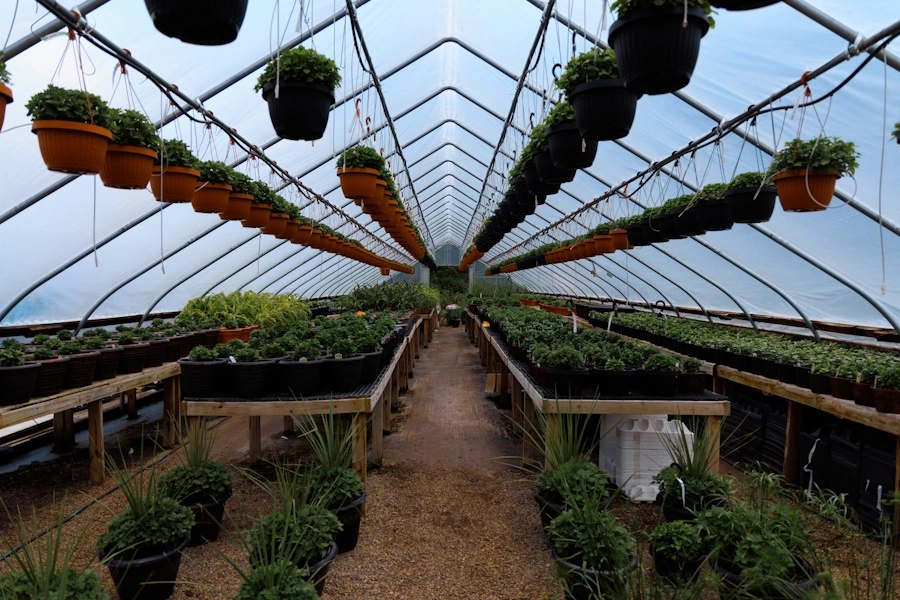
Local Nursery Scene in Salem
Salem hosts 32 distinct plant nurseries and garden centers, providing a robust supply chain for the Willamette Valley. This density is a direct result of Oregon’s rich agricultural heritage and favorable climate, which supports a massive ornamental horticulture industry. Local gardeners benefit from a spectrum of options, ranging from large, general-stock retail sites to hyper-specialized growers focusing on unique cultivars like Japanese maples or shade-tolerant perennials. When shopping locally, you gain access to plant stock already acclimated to the regional Pacific Northwest environment, which typically falls within USDA hardiness zones 8a and 8b. Buying locally-grown inventory reduces transplant shock and ensures that perennials and woody plants are hardened off to Oregon's distinct seasonal cycles.
Comparison of Top Nurseries
| Nursery Name | Rating | Specialization | Type |
|---|
| Guentner's Gardens | 4.6 | General Plant Nursery | Maps Search |
| Schreiner's Gardens | 4.7 | Iris and Daylily Nursery | Maps Search |
| La Pulga de Salem | 4.1 | General Plant Nursery | Maps Search |
| Wavra Farms & Nursery | 4.8 | Retail Nursery and Garden Center | Maps Search |
| Sebright Gardens | 4.9 | Shade Plant Specialist | Maps Search |
| Kamis Nursery Co | 4.8 | Ornamental and Vegetable Starts | Maps Search |
| Minto Island Growers | 4.7 | Organic Produce and Tea Plants | Maps Search |
| Willamette Koi & Water Lilies | 4.9 | General Plant Nursery | Maps Search |
| Whitman Farms | 4.7 | Japanese Maples and Edibles | Maps Search |
| Rocky Mountain Nursery | 4.6 | Trees and Shrubs | Maps Search |
Deep Dive into Nurseries
Guentner's Gardens serves as a reliable general-purpose supplier for the Salem area. With a 4.6 rating, they provide a broad range of plant material to satisfy basic residential landscaping needs.
Schreiner's Gardens is a nationally recognized leader in bearded iris and daylily hybridization. Their historical legacy dating back to 1925 makes them an essential stop for serious collectors seeking high-quality rhizomes and bulbs.
La Pulga de Salem operates as a general plant nursery, providing accessible options for local residents. Their consistent presence in the market makes them a convenient choice for seasonal gardening needs.
Wavra Farms & Nursery excels by combining retail sales with consumer education. By hosting gardening classes and offering expert advice, they bridge the gap between simple purchasing and successful long-term plant cultivation.
Sebright Gardens is the premier regional destination for shade-loving species. With a massive inventory featuring over 1,000 varieties of hostas, they provide unmatched botanical diversity for woodland or north-facing garden spaces.
Kamis Nursery Co has spent 36 years serving the Salem community with reliable ornamental floriculture. They prioritize family-friendly service and stock a wide selection of vegetable starts, making them a go-to for edible gardening.
Minto Island Growers stands out for its organic certification and innovative agricultural projects. Their focus on Camellia sinensis tea plants and native restoration sets them apart as a ecologically conscious nursery choice.
Willamette Koi & Water Lilies focuses on aquatic environments. For homeowners managing water features, this nursery provides the specific plants and expertise required to maintain a balanced pond ecosystem.
Whitman Farms specializes in rare and collectible tree cultivars. Their extensive catalog of Japanese maples and nut-bearing fruit trees appeals to landscape professionals and hobbyists looking for specimens not found in mass-market retail outlets.
Rocky Mountain Nursery bridges the gap between wholesale production and retail consumer needs. Their dual-model approach allows them to supply large quantities of hardy trees and shrubs for property development while maintaining personalized service for smaller projects.
Buying Guide for OR Gardeners
- Check Hardiness Compatibility: Always verify if your chosen plant thrives in USDA zone 8. Oregon’s wet winters and dry summers require plants with strong root systems.
- Prioritize Acclimated Stock: Plants grown in local nurseries are already adjusted to the Willamette Valley’s soil and rainfall patterns, drastically increasing their survival rate compared to big-box store imports.
- Inspect for Health: Look for firm, healthy roots and foliage free of signs of pests. Avoid plants that are root-bound in small containers, as they will struggle to establish in the landscape.
- Seasonal Timing: Fall is the optimal time for planting woody shrubs and trees in Oregon, as the soil remains warm while the increased autumn rainfall encourages root development before the summer drought.
- Evaluate the Nursery Model: Use specialized nurseries for unique plant needs, such as shade plants or native species, and rely on general garden centers for routine mulch, soil amendments, and seasonal bedding plants.