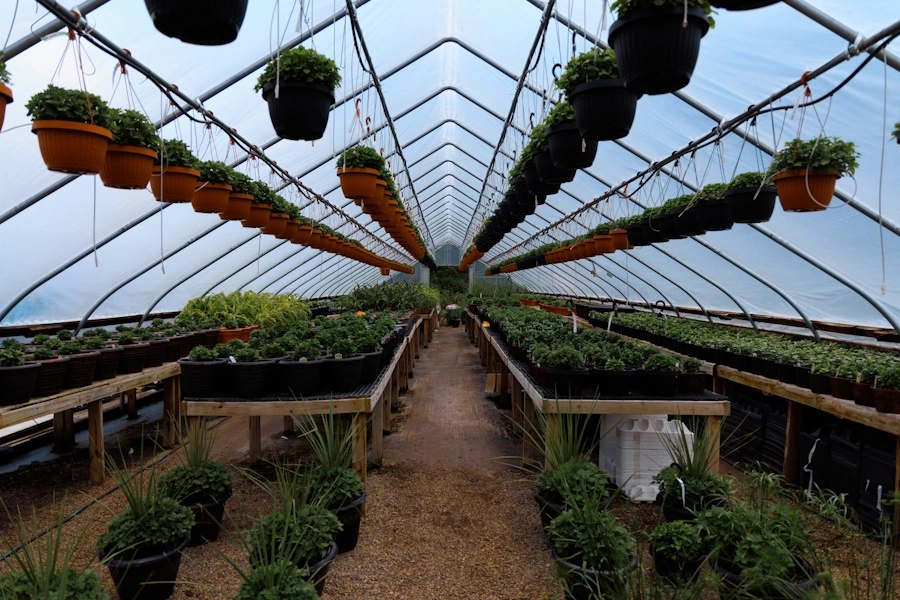
Local Nursery Scene in Springfield
Springfield, Virginia, offers a distinct horticultural landscape defined by three primary suppliers. These nurseries provide diverse options ranging from retail consumer markets to specialized, mission-driven ecological propagation centers. For a region falling primarily within USDA Hardiness Zone 7, selecting plant material that survives fluctuating seasonal temperatures is vital. The nurseries in this area offer a mix of ornamental, edible, and strictly native species, ensuring that local gardeners have access to vegetation that thrives despite Virginia's humid summers and intermittent winter freezes.
Comparison of Top Nurseries
| Nursery Name | Rating | Specialization | Type |
|---|
| Nalls Produce & Garden Center | 4.7 | Ornamental and Produce | Retail Garden Center |
| Earth Sangha Wild Plant Nursery | 4.9 | Local-ecotype Native Plants | Non-profit Nursery |
| Providence Greenhouses | N/A | Maryland Native Wholesale | Wholesale/Retail Greenhouse |
Deep Dive into Nurseries
Nalls Produce & Garden Center is a multi-generational establishment that balances a commercial garden center with a fresh produce market. It serves as a community hub where residents buy ornamental plants, seasonal vegetables, and locally sourced food items.
Earth Sangha Wild Plant Nursery specializes in local-ecotype native plant propagation. Their model focuses on collecting seeds from the wild and nurturing them into hardy native trees, shrubs, and perennials that are perfectly acclimated to regional environmental conditions.
Providence Greenhouses functions primarily as a wholesale facility for Maryland native plants. While they lack a traditional retail rating due to their focus on bulk production and vocational training for individuals with disabilities, their operation remains an essential source for landscapers and homeowners looking for environmentally conscious, native landscaping materials.
Buying Guide for VA Gardeners
- Climate Adaptation: Virginia weather requires plants that can handle high summer humidity and freeze-thaw cycles. Native species from local growers like Earth Sangha or Providence Greenhouses have higher survival rates because they are already adapted to local precipitation and soil patterns.
- Visual Health Checks: Inspect plants at the garden center for signs of heat stress, pest presence, or yellowing leaves. Healthy nursery stock should have well-established root systems that do not look overly pot-bound.
- Soil Preparation: Local soil in Northern Virginia often contains high clay content. Always invest in organic amendments, such as compost or aged mulch, when prepping planting sites. Garden centers like Nalls provide the necessary materials to improve soil structure for successful gardening.
- Seasonal Timing: Fall is often the best time to plant perennials, trees, and shrubs in Virginia. The cooling air temperatures coupled with warmer soil allow root systems to establish before the heat of the next summer arrives.
- Native Benefits: Choosing local-ecotype native plants supports regional pollinators, including bees and butterflies, which struggle in areas dominated by invasive non-native ornamentals.
- Garden Center vs. Wholesale: Retail garden centers offer convenient, smaller quantities for home projects and often include expert advice. Wholesale operations typically focus on high-volume native restoration projects, though they may allow public sales during seasonal windows to support their mission.
Gardening in Springfield demands a nuanced understanding of the local environment. Because the region experiences distinct micro-climates, buying locally grown stock is a strategic advantage. Unlike big-box retailers that ship plants from distant climates, regional nurseries prioritize species that require less chemical intervention, less supplemental watering, and offer superior resilience against local pests. Whether you are sourcing produce from Nalls, native groundcover from Earth Sangha, or restoration-grade shrubs from Providence, these three establishments represent the pillars of local horticultural success. By focusing on site-specific needs—such as soil drainage for clay-heavy yards or shade-loving native understory plants—Springfield gardeners can create sustainable landscapes that support the local ecosystem while providing aesthetic beauty year-round.