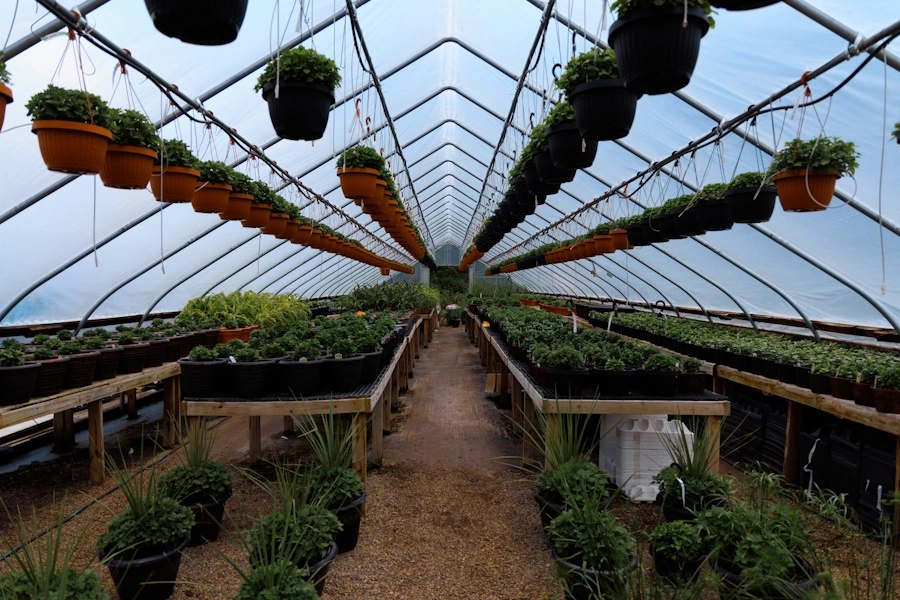
The Nursery & Garden Center Market in West Virginia
West Virginia supports a robust horticultural sector defined by 40 verified nurseries and garden centers across 10 major urban hubs. The distribution of these facilities reflects the state's rugged topography and population density. While many states see retail concentrations focused solely on metropolitan sprawl, West Virginia's nursery market relies on a mix of long-standing greenhouses and specialized tree farms. Consumers in the state have access to a variety of retail experiences, from high-rated independent entities like Wandering Roots and Smith's Greenhouse to larger service-oriented firms such as Mulkeen Landscaping & Tree Service. The data indicates a healthy competitive landscape, with consumer satisfaction ratings consistently hovering in the 4.4 to 5.0 range, suggesting that local operators are meeting the specific regional demands for climate-appropriate flora.
Top Cities for Nurseries & Garden Centers
The clustering of nurseries in cities like Martinsburg, which hosts six distinct facilities, illustrates the influence of regional market demand. Martinsburg's proximity to the Eastern Panhandle, an area with distinct demographic growth and real estate development, creates a high demand for landscaping services and ornamental stock. Similarly, Huntington and Wheeling serve as vital agricultural nodes with four garden centers each. These cities act as logistical centers that support both residential and commercial horticultural needs. Morgantown and Fairmont follow with three nurseries each, serving the university and suburban markets. Charleston, Clarksburg, and Parkersburg maintain two nursery operations each, while Weirton and Beckley round out the primary hubs. This geographic spread ensures that nearly every major population corridor in West Virginia has localized access to plant stock that has been acclimated to state-specific environmental stressors before it reaches the end-user.
West Virginia Climate & Plant Selection
Horticultural success in West Virginia requires a deep understanding of USDA hardiness zones 5 through 7. The state's elevation variances create microclimates that heavily dictate plant inventory. Nurseries in high-elevation areas must prioritize cold-hardy perennials and mountain-native conifers, while those in the lower-elevation Ohio River Valley can manage more tender zone 7 species. Soil composition across the state is notoriously variable, ranging from heavy, moisture-retentive clays in valleys to acidic, rocky soils in mountainous regions. Local garden centers have pivoted their inventory to reflect these conditions. Successful nurseries like Buchanan Evergreen Farm emphasize field-grown stock that is already hardened to the rapid freeze-thaw cycles common in the Appalachian spring. Many regional nurseries prioritize native plant species—such as Rhododendron maximum, native azaleas, and various Viburnum species—which are biologically optimized for the state's typical annual rainfall of 40 to 50 inches. This local sourcing reduces the 'transplant shock' often seen in big-box store specimens that are shipped from warmer, more uniform climates.
Sourcing Plants Locally in WV
For homeowners and professional landscapers looking to optimize survival rates and ecological health, sourcing from local independent nurseries is the standard best practice. Follow these criteria when evaluating local options:
- Assess the 'hardiness track record' of the nursery: Does the garden center prioritize plants that have been overwintered in your specific hardiness zone?
- Evaluate professional service offerings: Companies like Mulkeen Landscaping & Tree Service offer technical expertise that goes beyond retail, helping property owners select trees based on mature size and soil drainage.
- Check for native plant inventory: Nurseries with high ratings like Wandering Roots often carry locally propagated native species which require less chemical intervention and water.
- Prioritize local greenhouses: Greenhouses like Smith's Greenhouse provide plants grown in the local ambient environment, ensuring that the stock is acclimated to West Virginia’s specific humidity levels and pest populations before you bring them home.
- Evaluate customer longevity: High-rated businesses like Freed's Greenhouse & Nursery or Rocky Ridge Nursery & Landscaping typically maintain deep institutional knowledge of local soil acidity and native deer browsing patterns, which is critical for long-term landscaping success in the state.