The Microgreens Market in Arizona
The Arizona microgreens market is shifting from experimental hobbyist setups to structured commercial operations. Currently, we track 10 verified farms across the state that serve a mix of direct-to-consumer and wholesale markets. Microgreens, which occupy a unique space between traditional vegetable farming and pharmaceutical-grade production, require controlled environments that mitigate Arizona’s extreme thermal swings. Market leaders like Duncan Family Farms (4.9 rating) and Urban Roots Farms (5.0 rating) demonstrate that high-quality, local production is not only viable but highly profitable in the desert southwest.
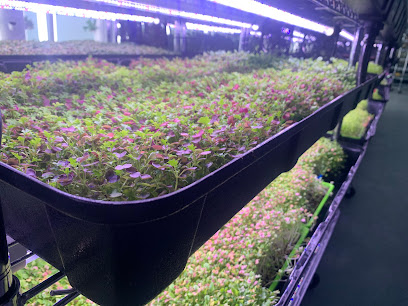
Consumer demand for nutrient-dense, locally sourced produce is driving this growth. Unlike traditional field crops that suffer from water evaporation and heat stress, microgreens are typically grown in vertical, indoor systems. This allows for year-round production regardless of the external desert climate. As water scarcity becomes a permanent fixture of Arizona agricultural policy, indoor systems that utilize recirculating hydroponics or aeroponics provide a sustainable alternative to conventional irrigation.
Top Cities for Fresh Greens
Urban agriculture in Arizona is not evenly distributed. Our data identifies four active cities, with a clear concentration in the West Valley. Avondale stands out as the primary hub for microgreen production, accounting for 70% of the verified farms in our dataset. This concentration suggests that Avondale offers favorable logistical conditions for urban farmers, likely due to a combination of affordable industrial real estate, proximity to the Phoenix metro distribution corridors, and supportive municipal zoning for indoor agricultural activities.
- Avondale: The state’s primary microgreen hub, hosting 7 verified growers.
- Sierra Vista: Serving the southern market with specialized production.
- Tucson: A critical node for high-end culinary greens and farm-to-table partnerships.
- Prescott Valley: Representing the northern agricultural corridor, utilizing climate-controlled indoor methods.
Arizona Climate & Indoor Farming
Arizona's climate is a paradox for agriculture. While the state boasts near-perfect solar radiation levels, the ambient heat and arid conditions make traditional outdoor farming of delicate greens nearly impossible for much of the year. The average high in summer frequently exceeds 110°F, leading to rapid evapotranspiration and salt buildup in soil. Consequently, the most successful microgreen farms in the state have shifted entirely indoors.
Indoor vertical farming in Arizona allows growers to manipulate vapor pressure deficit (VPD) and light intensity with surgical precision. By removing the variable of external temperature, growers like Arizona Microgreens and Arizona Artisan Microgreens can maintain a consistent crop cycle of 7 to 14 days. This efficiency is critical for meeting the strict delivery schedules of high-end restaurants. Furthermore, indoor operations require significantly less water than traditional field farming. Hydroponic systems in Arizona often use 90% less water than soil-based agriculture, making them the most efficient way to produce food in a state facing long-term drought conditions and mandatory groundwater management programs.
Sourcing Locally in AZ
For restaurants, distributors, and individual consumers looking to tap into the local supply chain, identifying the right producer is paramount. Quality and consistency are the primary metrics for selection.
- Evaluate Production Methods: Prioritize farms like Arizona Artisan Microgreens or Freeman Micro Farms that focus on specific growing standards.
- Check Distribution Reach: Determine if the farm is a dedicated wholesaler or a farm shop. For example, Freeman Micro Farms operates as a produce wholesaler, making them ideal for high-volume kitchen needs.
- Verify Freshness: Since microgreens have a short shelf life, look for growers within your immediate municipality—such as the high-density cluster in Avondale—to minimize transit time.
- Support Local Innovation: Farms such as Vista Microgreens (Health food store) often provide unique, nutrient-dense varieties that aren't available in standard grocery supply chains.