The Mushroom Market in South Carolina
South Carolina’s gourmet mushroom market is currently in a phase of rapid decentralization. With eight verified commercial operations distributed across eight distinct cities, the state is moving away from centralized industrial agriculture toward localized, high-tech indoor production. Unlike traditional row-crop farming, which requires vast acreage and specific soil chemistry, mushroom cultivation relies on controlled environment agriculture (CEA). This allows growers to bypass South Carolina’s unpredictable soil pathogens while capitalizing on the state's burgeoning farm-to-table culinary scene.
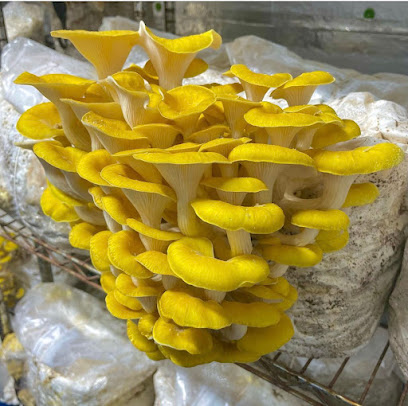
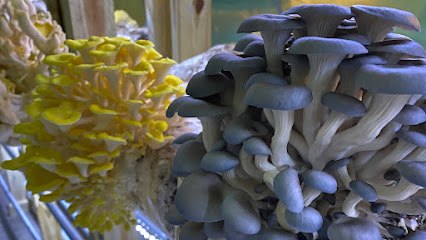
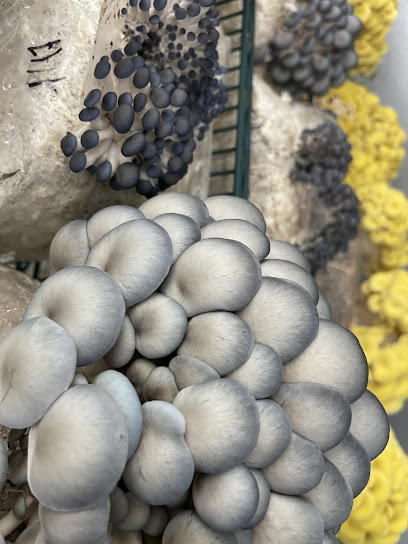
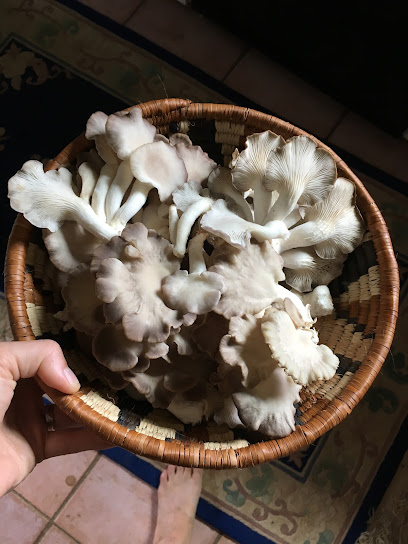
The market is dominated by specialty varieties. Oyster, Lion’s Mane, and Shiitake are the primary drivers of revenue. These species thrive in the controlled humidity of indoor fruiting chambers, which are essential given the state's extreme summer heat. Because mushrooms are highly perishable, the market strategy for these eight farms focuses on a 50-mile radius supply chain, prioritizing direct-to-chef sales and weekend farmers' markets over long-haul distribution.
Top Cities for Gourmet Fungi
The distribution of mushroom farms across South Carolina reveals a strategic focus on population density and logistical hubs. The current data shows a one-to-one ratio of farms to cities, indicating that growers are positioning themselves to serve specific regional markets rather than competing for a single national supply chain.
- Columbia: As the state capital, Columbia offers the highest concentration of high-end restaurants and institutional buyers, making it a natural hub for Capital City Mushrooms and similar operations.
- Charleston & Johns Island: These hubs leverage a premium culinary market. Lowcountry Fungi and Lowcountry Mushrooms & Microgreens capitalize on the coastal tourism industry, where chefs demand fresh, unique ingredients daily.
- Easley, Beaufort, Clearwater, Darlington, and Clover: These locations represent a strategic spread across the Piedmont and coastal plains. By operating in these smaller cities, farms like Mushroom Mountain and J & J Family Farm, LLC. reduce transportation costs and provide localized access to fresh fungi for suburban and rural populations that are often underserved by national grocery chains.
South Carolina Climate & Mushroom Cultivation
South Carolina's climate presents a paradox for mycologists. The state experiences high ambient humidity and long growing seasons, which are theoretically ideal for wild foraging. However, the extreme heat index—often exceeding 95°F—makes outdoor cultivation of temperate species like Lion’s Mane or Blue Oysters nearly impossible during summer months. Consequently, successful SC farms have pivoted to sophisticated indoor climate control.
Indoor facilities in South Carolina utilize HVAC systems to maintain a strict 60°F to 70°F range, regardless of outdoor conditions. Humidity is managed via ultrasonic misters, preventing the rapid evaporation that occurs in the state's dry, air-conditioned storage environments. This indoor model also mitigates the risk of contamination from local spores. Foragers in the state face challenges with sudden temperature spikes that can ruin a wild flush, but controlled-environment farmers have effectively 'de-risked' their production cycles, ensuring consistent year-round supply for local markets.
Sourcing Locally in SC
For restaurants, retailers, and home consumers looking to secure the freshest local product, the following strategies apply:
- Direct-to-Farm Procurement: Contact farms like Raven Farms or Two Lucky Dogs Farm directly. Many of these operations prioritize subscription-based 'mushroom shares' that function similarly to CSAs.
- Farmers' Market Circuits: Growers in hubs like Charleston and Columbia maintain consistent presence at regional markets. This is the best venue to inspect the quality of the fruiting bodies firsthand.
- Evaluate Quality Indicators: When sourcing, look for firm, dry caps and clean, unbruised stems. High-quality local mushrooms should smell earthy and fresh, never slimy or sour.
- Consistency Check: Since the market is small, ask growers about their substrate sterilization process. This is the most critical indicator of a high-quality, long-lasting product.
- Support Verified Operations: Prioritize farms like Bennu Mushrooms that have established a clear local footprint, ensuring your purchase supports the South Carolina agricultural economy rather than out-of-state distributors.