The Mushroom Market in Tennessee
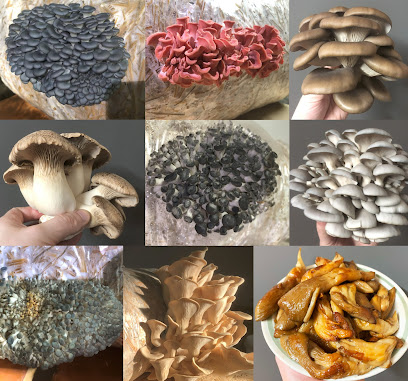
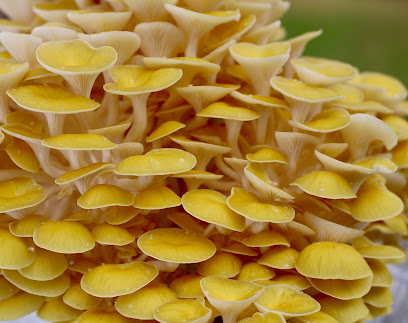
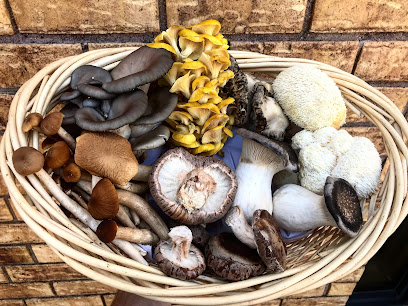
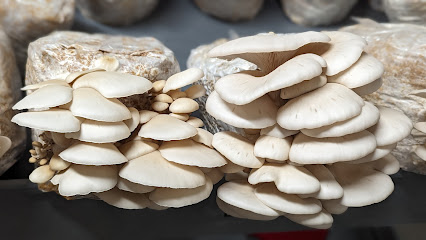
Tennessee’s gourmet and medicinal mushroom market is shifting from a niche hobbyist landscape to a professional agricultural sector. Currently, 14 verified farms operate across 12 cities, reflecting a decentralized growth model. While major agricultural commodities like corn and soybeans dominate the state's total acreage, the high profit-per-square-foot of specialty fungi—such as Lion’s Mane, Oyster, and Shiitake—is attracting small-scale entrepreneurs. Market saturation is currently low, meaning demand for fresh, locally harvested product continues to outpace supply in urban centers. Professional operations, ranging from agricultural services like Mossy Creek Mushrooms to direct-to-consumer farms like Big Apple Fungi and Bluff City Fungi, are filling the void left by industrial produce distributors. These growers prioritize freshness, reducing the carbon footprint and quality degradation associated with shipping mushrooms from the Pacific Northwest or international markets.
Top Cities for Gourmet Fungi
The distribution of mushroom farming in Tennessee is not uniform. Memphis stands out as the primary hub, hosting three distinct farms. This concentration is likely driven by the city's robust culinary scene and established logistics infrastructure, which allows for consistent, rapid delivery to high-end restaurant kitchens. Other hubs, such as Gallatin, Athens, Greenbrier, Pikeville, Jefferson City, Paris, Loudon, Woodbury, and Sewanee, host single-farm operations. These locations suggest a trend of 'farm-to-table' micro-production, where farmers serve their immediate county or region. The existence of these diverse hubs proves that mushroom cultivation in Tennessee is not restricted to temperate zones; instead, success is dictated by the ability to manage controlled environments regardless of the local climate.
Tennessee Climate & Mushroom Cultivation
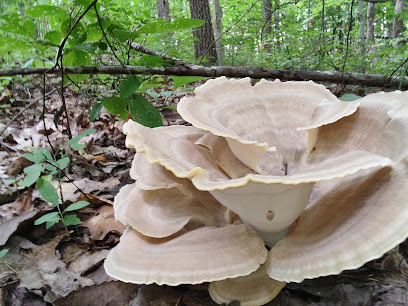
Tennessee provides a complex environment for mycologists. The state’s humid subtropical climate features high average precipitation and significant seasonal humidity fluctuations. For outdoor, log-grown Shiitake or Maitake operations, these conditions are largely favorable, as the state's hardwood forests provide the necessary substrate and moisture. However, the true growth in the sector lies in indoor, climate-controlled fruiting chambers.
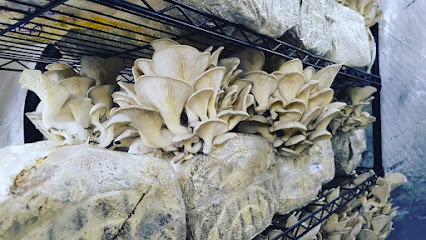
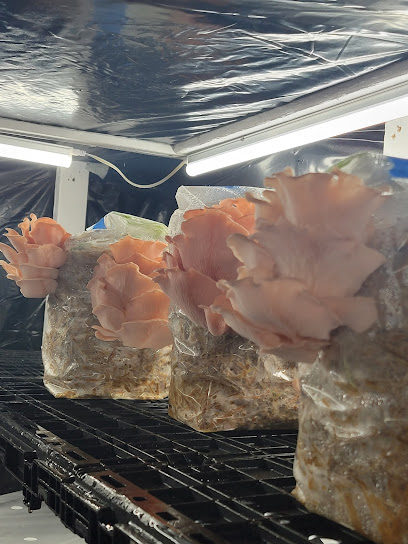
Indoor cultivation is the standard for the 14 verified farms in the state. Because Tennessee summers can be sweltering, growers must rely on sophisticated HVAC systems to maintain the 65–75°F range required for most gourmet species. Humidity control is equally vital. Growers utilize ultrasonic humidifiers and automated misting systems to keep relative humidity between 80% and 95% during the pinning and fruiting stages. By isolating the mycelium from Tennessee's fluctuating outdoor temperatures and pest populations, these farms produce high-yield, consistent crops year-round. This technical shift allows farms like ShroomTech and Long Fork Farms to operate independently of the state's natural growing seasons.
Sourcing Locally in TN
For chefs, retailers, and home cooks looking to secure high-quality, locally grown mushrooms, identifying the right supplier is essential. The following entities represent the current verified supply chain in Tennessee:
- Memphis Hub: Utilize local agricultural services and farms including the three verified operations located within city limits for the fastest turnover.
- High-Rated Direct Suppliers: For premium quality, prioritize farms boasting top ratings, such as Big Apple Fungi, Bluff City Fungi, River's Ridge Farms, ShroomTech Farm, Long Fork Farms, and Whispering Creek Farms, LLC.
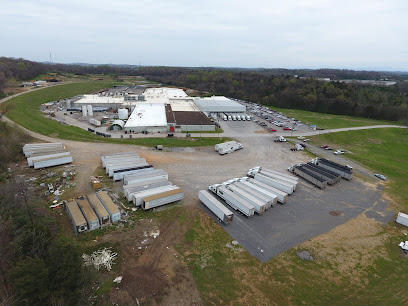
- Specialized Services: If you require consulting or substrate supply in addition to fruiting bodies, look toward Mossy Creek Mushrooms or Monterey Mushroom.
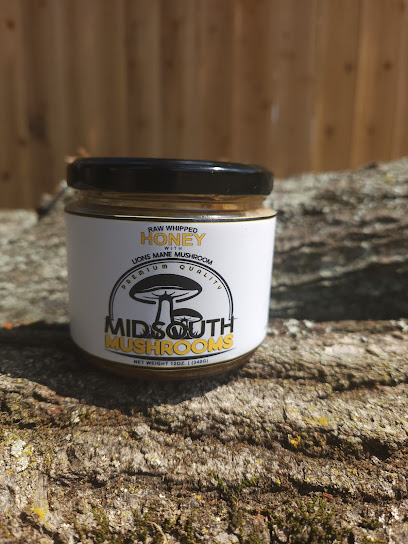
- Emerging Producers: Consider reaching out to Midsouth Mushrooms, The Mushroom Connection LLC, Tangerine Moon Farms, Rosanna's Mushroom Farm LLC, or Fruiting Soul Mushroom Farm for seasonal availability and unique species that larger commercial farms may not carry.
- Logistics: Always verify the delivery radius of your chosen farm. Many small-scale Tennessee producers offer direct-to-chef delivery, which is often the most reliable method for ensuring mushroom shelf-life.