The Nursery & Garden Center Market in Delaware
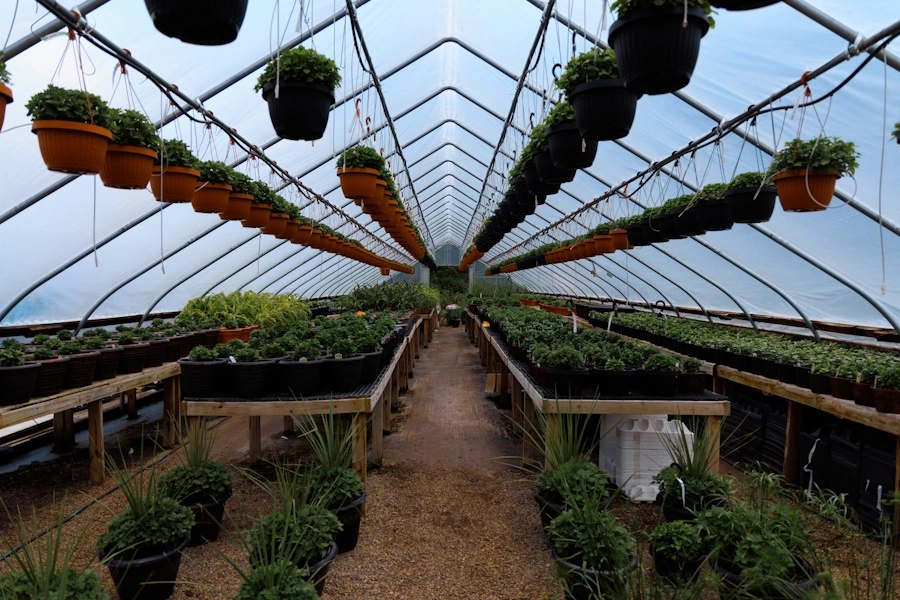
Delaware supports a robust horticultural network, anchored by 24 verified nurseries distributed across 7 active cities. The state’s market reflects a balance between commercial wholesale operations and retail-facing garden centers. Consumers have access to diverse stock, ranging from specialty floral centers to comprehensive agricultural suppliers. Despite the state’s modest geographic size, the density of these facilities ensures that horticultural resources remain accessible to both urban landscapes and rural agricultural holdings. Industry data indicates a concentration of high-quality outlets, with many locations maintaining consumer ratings above 4.5. This high satisfaction level suggests that Delaware nurseries are effectively catering to specific regional soil demands and climatic conditions, providing superior stock that outperforms generic box-store offerings.
Top Cities for Nurseries & Garden Centers
The distribution of garden centers in Delaware correlates heavily with population density and regional commerce hubs. Newark leads the state with 8 nurseries, serving as the primary hub for horticultural trade in the northern region. This concentration in Newark is largely attributed to its proximity to transit corridors and a consistent demand from both university-adjacent landscaping and residential development. Dover follows closely with 6 nurseries, acting as the centralized hub for central Delaware and supporting the surrounding agricultural expanse. Wilmington also hosts 6 nurseries, balancing the needs of high-density urban gardening with suburban landscaping demands. Middletown has emerged as a significant secondary market with 3 nurseries, while Bear maintains a presence with 2 facilities. Brookside serves as a specialized node with 1 facility. This geographic clustering ensures that even as urbanization expands, residents maintain a direct line to local plant stock, which is superior to long-distance nursery imports.
Delaware Climate & Plant Selection
Delaware’s horticultural success depends on its unique position within USDA hardiness zones 7a and 7b. This classification dictates a moderate climate that allows for an extended growing season but requires specific plant selection to survive the temperature fluctuations between winter freezes and humid summers. Most local nurseries prioritize plants that exhibit high resistance to the state’s typical soil compositions, which range from sandy coastal plains to siltier clay loams in the Piedmont plateau of northern Delaware. Because of the state’s average annual rainfall of approximately 45 inches, local garden centers place heavy emphasis on drainage-tolerant species. Native plants like the Eastern Redbud, Sweetbay Magnolia, and various panicum grasses are frequently stocked because they are already adapted to these specific hydric conditions. The greenhouse-grown stock found at facilities like Rose Valley Greenhouse or Logullo's Garden Center is typically acclimated to these environmental stressors before hitting the retail floor, a distinct advantage over mass-produced big-box stock. Drought-tolerant perennials are also a significant growth sector in Delaware nurseries, responding to occasional mid-summer dry spells that challenge traditional turf grass and shallow-rooted exotics.
Sourcing Plants Locally in DE
For those looking to procure high-quality plant material from Delaware’s trusted local suppliers, follow these sourcing strategies:
- Prioritize specialized retailers: Look for garden centers like Willey Farms or 1st State Seed & Garden Supply that offer documented, high-rated stock instead of generic seasonal inventory.
- Check local climate ratings: Ensure your chosen nursery carries stock hardened for USDA zone 7, which minimizes transplant shock when moving plants into your landscape.
- Evaluate nursery focus: Distinguish between floral-focused centers like Richardson’s Floral Center and supply-heavy outlets like MorningStar Sod & Supply to match your specific project needs.
- Inquire about native availability: High-quality local centers usually carry a rotating inventory of Delaware-native perennials that require less irrigation and chemical treatment than non-native alternatives.
- Verify site health: Visit during the active growing season to assess the vigor of greenhouse-grown plants; healthy foliage and well-developed root systems are the best indicators of a high-quality nursery operation.