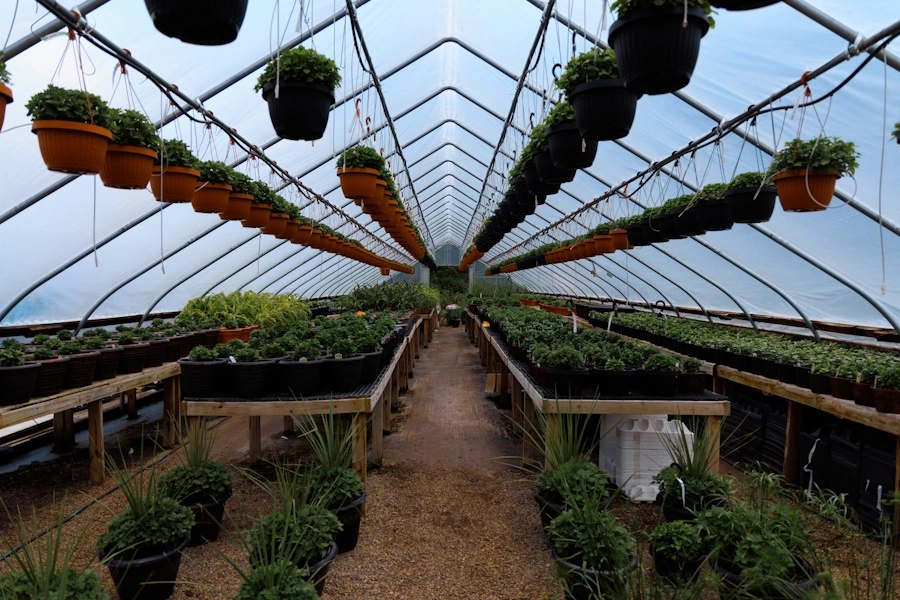
Local Nursery Scene in Northampton
Northampton and the surrounding Pioneer Valley offer a dense concentration of high-quality horticultural outlets. With 12 unique nurseries identified in the region, local gardeners have access to everything from wholesale tree farms to hyper-specialized native plant growers. This variety allows for a highly nuanced approach to landscaping, where you can source plants adapted to New England's specific USDA hardiness zones, which typically range from 5b to 6a. Buying from regional nurseries ensures your botanical investments are already acclimated to local soil profiles and seasonal temperature swings, unlike stock often shipped from warmer climates.
Comparison of Top Nurseries
| Nursery Name | Rating | Specialization | Type |
|---|
| Wanczyk Evergreen Nursery | 4.5 | Trees, Shrubs, Pollinator plants | Full-service Garden Center |
| Mill River Farm Market | 4.7 | General nursery stock | General Nursery |
| Nourse Farms | 4.5 | Small fruits and berries | Specialty Fruit Nursery |
| Skawski Farms | 4.9 | Annuals, perennials, herbs | Retail Greenhouse/Nursery |
| Baystate Perennial Farm | 5.0 | Perennials, shrubs, woodland | Retail Perennial Nursery |
| Nasami Farm (Native Plant Trust) | 4.8 | Native trees, shrubs, grasses | Native Plant Specialty |
| Amherst Nurseries | 4.5 | Shade trees, natives, installation | Wholesale/Retail Nursery |
| Checkerspot Farm | 5.0 | Native grasses, flowering perennials | Native Plant Nursery |
| Wing and a Prayer Nursery | 5.0 | Seed-grown native flora | Native Cultivation Nursery |
| Yellowbud Farm | 4.3 | Nut trees, fruit-bearing trees | Specialty Tree Nursery |
Deep Dive into Nurseries
- Wanczyk Evergreen Nursery: A comprehensive garden center serving both residential and commercial needs. They specialize in ornamental trees and pollinator-friendly species.
- Mill River Farm Market: Provides a reliable selection of general nursery stock for local homeowners. It functions as a foundational resource for seasonal plant shopping.
- Nourse Farms: An expert-level facility focusing on small fruit production. They are the go-to source for berry bushes and asparagus roots in Western Massachusetts.
- Skawski Farms: Over two acres of climate-controlled growing space supports their annuals and perennials. They offer direct-to-consumer sales with a focus on plant health.
- Baystate Perennial Farm: Operates on a Thursday-to-Sunday schedule, focusing on high-quality woodland and ornamental perennials. They provide excellent updates via e-bulletin for regional gardeners.
- Nasami Farm Nursery Native Plant Trust: A conservation-focused nursery propagating ecotypic plants. They act as both a retail outlet and an educational hub for native gardening.
- Amherst Nurseries: A dual-purpose business offering landscape contracting alongside nursery sales. Their expertise covers native species and structural planting installation for large projects.
- Checkerspot Farm: Focuses on biodiversity through native grass plugs and flowering perennials. Their stock is curated for habitat restoration and ecological gardening.
- Wing and a Prayer Nursery: Prioritizes seed-grown native plants to ensure genetic diversity. Their 13-year history reflects a strong commitment to New England wildlife habitats.
- Yellowbud Farm: Engages in research-based breeding of nut trees like chestnuts and pecans. This nursery is ideal for landowners seeking robust, productive tree cultivars.
Buying Guide for MA Gardeners
Choosing the right plant for the Massachusetts climate requires attention to timing and origin. When shopping at a garden center or nursery, consider the following:
- Prioritize Native Species: Plants like Big Bluestem or native woodland shrubs are genetically adapted to local rainfall patterns and pest pressures, reducing your need for supplemental water and chemical intervention.
- Check for Health: Avoid plants with root-bound containers or signs of yellowing leaves. Healthy nursery stock should have firm, green growth and visible root tips if pulled gently from the pot.
- Timing is Everything: The best time to plant in Northampton is during the cool spring (post-frost) or autumn. Fall planting allows roots to establish in the warming soil before the harsh Massachusetts winter arrives.
- The Local Advantage: Buying from regional growers beats big-box retailers because local nursery staff understand the specific microclimates of Western Massachusetts. They can advise on soil amendments—like incorporating organic compost for our clay-heavy soils—that a national chain employee cannot provide.
- Soil Prep: Before heading to the garden center, perform a basic soil test. Massachusetts soils often lean acidic; knowing your pH prevents wasting money on plants that will struggle to thrive in your specific garden beds.