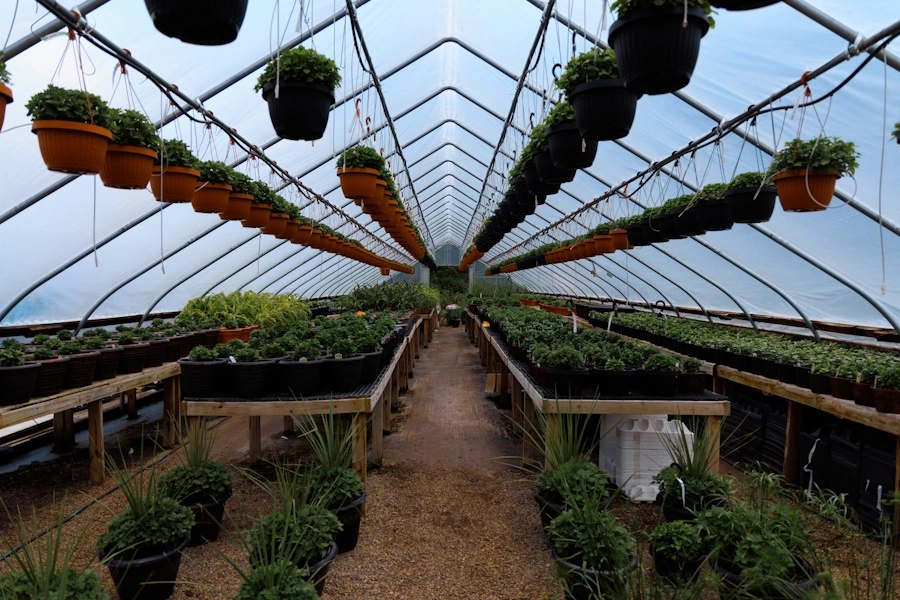
Local Nursery Scene in Omaha
Omaha’s horticultural environment benefits from its location in USDA Hardiness Zone 5. Gardeners here face significant climate swings, from frozen winters to humid, hot summers. Because of these extremes, local nurseries and garden centers prioritize stock that has been hardened for the Midwest. With 15 documented suppliers in the area, residents have access to everything from bulk landscape materials to boutique indoor greenery. The market is split between large-scale operations like Mulhalls that emphasize native Great Plains species and smaller, niche retailers focused on specific plant types like succulents or indoor houseplants. Understanding where to shop depends on your project scope; a professional-grade landscaping job requires different sourcing than a weekend project for a home balcony.
Comparison of Top Nurseries
| Nursery Name | Rating | Specialization | Type |
|---|
| Mulhalls | 4.6 | Full-scale plant variety | Garden Center |
| Loveland Grass Pad | 4.6 | Turf health/Lawn care | Lawn Specialist |
| Earl May Garden Center | 4.4 | General landscaping | Retail Chain |
| Yard Market | 3.6 | Bulk supplies/Design | Landscaping Supply |
| Chlorophyll by Kinghorn Gardens | 4.8 | Indoor plants | Boutique |
| Benson Plant Rescue | 4.7 | Succulents/Rescue | Niche Retailer |
| Dee-sign Landscaping & Garden Shop | 4.7 | Design/Build | Full-Service |
| Wenninghoff's Garden Center | 5.0 | Seasonal/Edibles | Farm/Garden |
| Estate Landscape & Nursery | 4.6 | Greenhouse-grown | Wholesale/Retail |
| Yard Market Garden Center | 4.5 | Installation/Bulk | Landscaping Supply |
Deep Dive into Nurseries
Mulhalls stands as a landmark, offering a massive inventory that serves both casual gardeners and pros. Their commitment to pollinator-friendly native species makes them a top pick for ecological gardening.
Loveland Grass Pad focuses on the science of turf. They are the go-to for Omaha homeowners looking for specific fescue or bluegrass seed blends alongside professional fertilizers.
Earl May Garden Center operates as a regional hub for basic needs. They combine live plant stock with essential maintenance tools and outdoor furniture.
Yard Market balances retail plant sales with heavy-duty construction services. They are a primary source for homeowners needing bulk compost, topsoil, or decorative rock.
Chlorophyll by Kinghorn Gardens brings an urban edge to Omaha’s plant scene. This boutique is perfect for apartment dwellers or office managers looking for curated indoor greenery.
Benson Plant Rescue offers a sustainable approach to plant ownership. By focusing on plant adoptions and succulent sales, they create a community-driven model for local hobbyists.
Dee-sign Landscaping & Garden Shop bridges the gap between design and retail. They offer a high-end selection of nursery stock alongside custom container services for every season.
Wenninghoff's Garden Center maintains a unique two-phase business model. They provide vibrant spring flowers before transitioning into a farm stand for summer produce.
Estate Landscape & Nursery controls quality by managing its own indoor growing complex. Their focus on high-quality genetics makes them a reliable source for annuals and perennials.
Yard Market Garden Center functions similarly to their associated brand, offering both technical expertise and landscape material. They simplify large projects by providing both the products and the labor for installation.
Buying Guide for NE Gardeners
- Prioritize Native Species: Omaha's native plants are evolved to withstand the region's specific soil types and temperature fluctuations. They require less supplemental water and fewer chemical fertilizers once established.
- Timing is Everything: Nebraska's growing season requires precise planning. Most planting should occur after the final spring frost date, typically in late April or May.
- Inspect Before Purchase: When buying from a local garden center, look for firm stems and moist soil. Avoid plants with visible pests on the undersides of leaves or those that have become severely root-bound in their pots.
- Acclimation Advantage: Plants grown in local nurseries are already acclimated to Omaha's humidity and wind conditions. These plants experience less transplant shock compared to mass-produced items shipped in from warmer, controlled greenhouse environments.
- Soil Amendments: Nebraska clay soils often need organic matter like compost or shredded mulch to improve drainage and aeration. Buying these in bulk from local nurseries often provides better quality than pre-packaged alternatives.