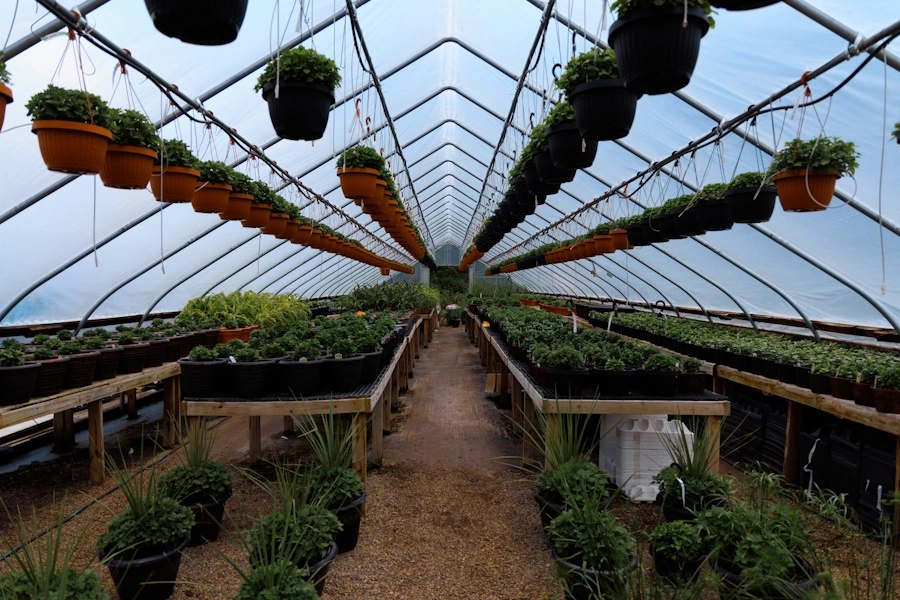
The Nursery & Garden Center Market in Puerto Rico
The nursery and garden center market in Puerto Rico is currently anchored by 92 verified commercial operations spread across 18 active municipalities. This distribution reflects a localized approach to plant production, where small-to-medium-sized nurseries dominate the landscape rather than industrial-scale mega-retailers. The market is defined by a high diversity of tropical, ornamental, and fruit-bearing species, reflecting the island's unique ecological requirements. Consumers in Puerto Rico prioritize quality and local acclimation, pushing nurseries to focus on stock that is hardened against the island's specific humidity and solar intensity.
Top Cities for Nurseries & Garden Centers
Market concentration is not uniform. The data indicates clear regional clustering, with Guayama emerging as the primary hub, hosting 18 nurseries. This high density is likely driven by the favorable microclimate and agricultural zoning in the southern plains. Ponce follows with 12 nurseries, serving as a vital supply point for the southern coast's commercial and residential landscape needs. Guaynabo, with 9, acts as a primary urban supplier for the San Juan metropolitan area. Other significant nodes include Arecibo, Trujillo Alto, Caguas, and Aguadilla. The concentration of nurseries in these specific cities points to established agricultural corridors where access to water, transportation infrastructure, and residential market demand intersect to support viable nursery businesses.
Puerto Rico Climate & Plant Selection
Puerto Rico experiences a tropical marine climate, categorized by USDA hardiness zones 10b through 13a. Annual rainfall is highly variable, ranging from over 100 inches in the interior rainforests to less than 40 inches in the southern rain shadows near Guayama and Ponce. This disparity dictates the inventory of any professional garden center on the island. In arid regions, nurseries focus on drought-tolerant species like cactus, succulents, and hardy tropical shrubs. In contrast, nurseries located in the wetter central mountain ranges and northern coasts emphasize lush, shade-loving ornamentals, orchids, and tropical fruit trees that require consistent moisture.
Soil profiles in Puerto Rico range from acidic latosols in the mountainous interiors to alkaline, clay-heavy soils in the coastal flatlands. Because of these distinct soil types, local nurseries rarely rely solely on field-grown stock. Instead, containerized production is the industry standard. This method allows nurseries to control the substrate, nutrient delivery, and drainage for sensitive species, ensuring that plants sold at a local garden center are protected from root-rot during intense seasonal rain events. Native species such as the Flamboyán (Delonix regia) and various Heliconia cultivars are staples, as they offer built-in resistance to local pests and environmental stress.
Sourcing Plants Locally in PR
Navigating the local nursery market requires an understanding of how these businesses operate. To find the best resources, consider the following strategies:
- Prioritize hyper-local nurseries: Businesses like Jardin Selecto, Jardín Lomas Verdes, and Baroly's Cactus & more focus on stock acclimated to their specific municipality's humidity and wind exposure.
- Check for container-grown standards: Given Puerto Rico's heavy tropical rains, verify that the garden center uses high-drainage, professional-grade potting media.
- Visit specialized centers: For specific needs, look for operations like Jardines Morales Exterior, Inc. or Vivero Don Teddy, which often carry a wider variety of landscape-ready materials compared to general retailers.
- Seasonal timing: Always consult with the nursery staff regarding the current phase of the moon and local precipitation cycles, as these traditional horticultural markers are still highly effective for planting schedules in the Caribbean.
- Evaluate plant health: Look for dark, vibrant foliage and strong root systems in pots at shops like Jardín Coloso or Jardín de Carmencita; these indicators are better markers of success than plant height alone.